The Bitter Cry of the Children
1906
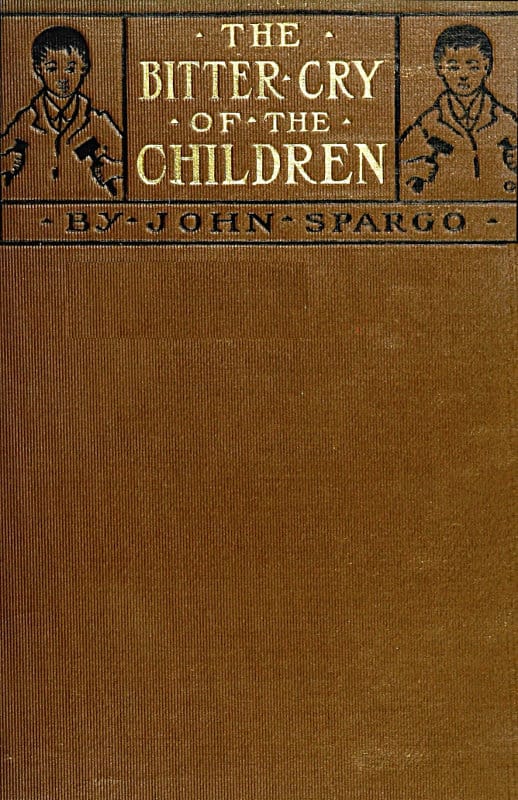
The Bitter Cry of the Children
1906
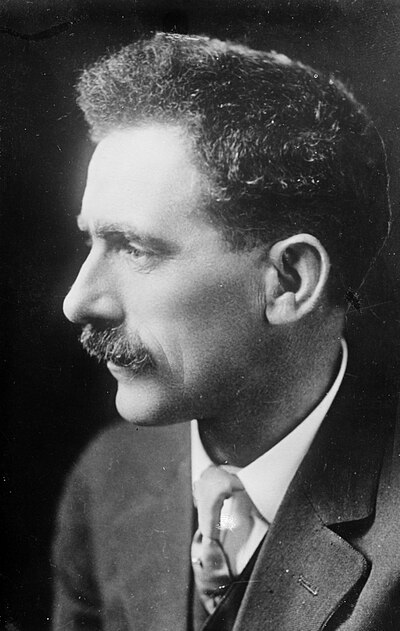
In 1906, America was about to discover exactly what it was doing to its children. John Spargo, a socialist muckraker with a journalist's eye and a reformer's fury, traveled into the coal mines, factories, and tenements where young workers spent their childhoods. What he found there children as young as six laboring ten-hour shifts, picking slate from anthracite until their fingers bled, dying in textile mills became the foundation of this electrifying expose. But Spargo went further than simply documenting conditions. He forced his readers to look at starvation not as an abstraction but as something with a face: the underfed infant whose development was stunted before it had properly begun, the twelve-year-old boy working for sixty cents a day so his family could eat, the classrooms empty because children had to choose between food and learning. The book ignited a firestorm of debate and helped catalyze the child labor reforms of the Progressive Era. A hundred years later, its power to disturb remains undiminished.
Editions
Link to this book
Add a free, dofollow link to Lex on your blog, forum, syllabus, or reading list.

<a href="https://lex-books.com/book/the-bitter-cry-of-the-children-8af6bb77-b1a3-4593-b93e-9dd74b1b1a05"><img src="https://lex-books.com/badges/read-on-lex.svg" alt="Read The Bitter Cry of the Children by John Spargo free on Lex" width="160" height="40"></a>[](https://lex-books.com/book/the-bitter-cry-of-the-children-8af6bb77-b1a3-4593-b93e-9dd74b1b1a05)[url=https://lex-books.com/book/the-bitter-cry-of-the-children-8af6bb77-b1a3-4593-b93e-9dd74b1b1a05][img]https://lex-books.com/badges/read-on-lex.svg[/img][/url]Read The Bitter Cry of the Children by John Spargo free on Lex: https://lex-books.com/book/the-bitter-cry-of-the-children-8af6bb77-b1a3-4593-b93e-9dd74b1b1a05Cite this book
Reading this edition for a paper or guide? Copy a citation.
Spargo, John. The Bitter Cry of the Children. Lex, lex-books.com/book/the-bitter-cry-of-the-children-8af6bb77-b1a3-4593-b93e-9dd74b1b1a05.Spargo, J. (1906). The Bitter Cry of the Children. Lex. https://lex-books.com/book/the-bitter-cry-of-the-children-8af6bb77-b1a3-4593-b93e-9dd74b1b1a05Spargo, John. The Bitter Cry of the Children. Lex. https://lex-books.com/book/the-bitter-cry-of-the-children-8af6bb77-b1a3-4593-b93e-9dd74b1b1a05.