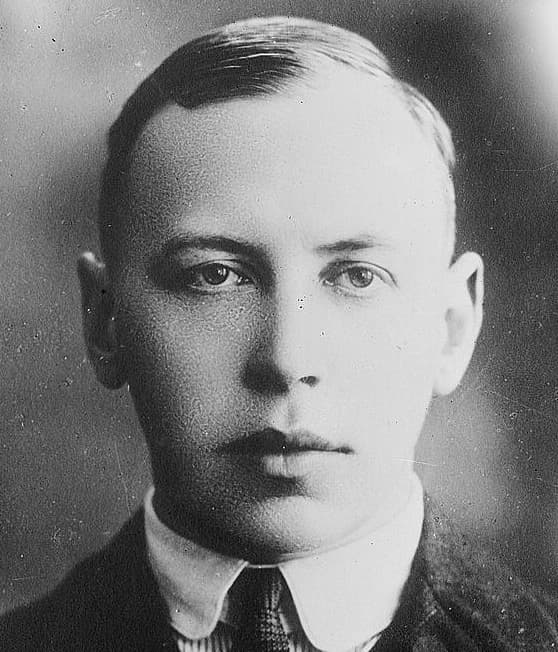
Alfred Noyes
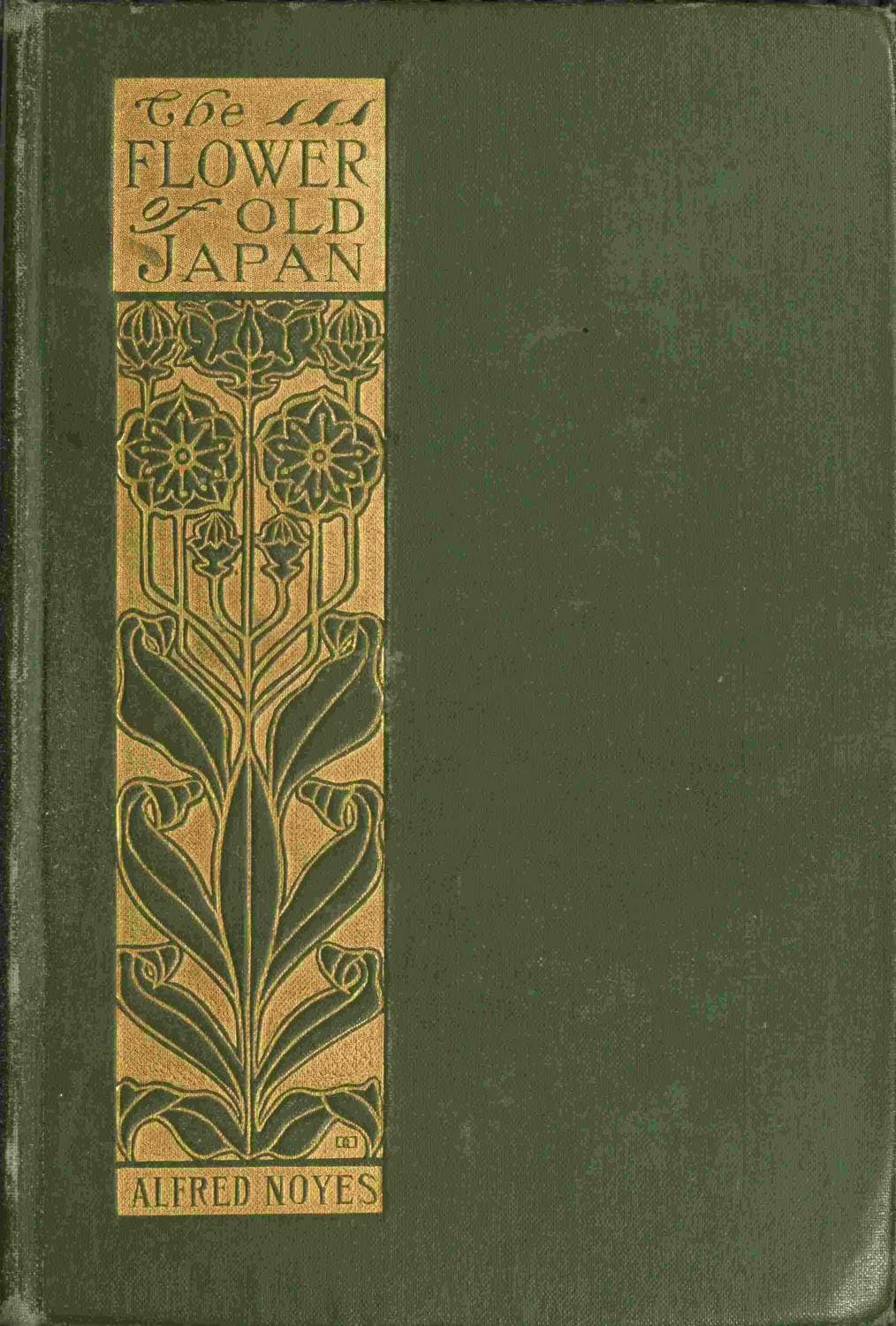
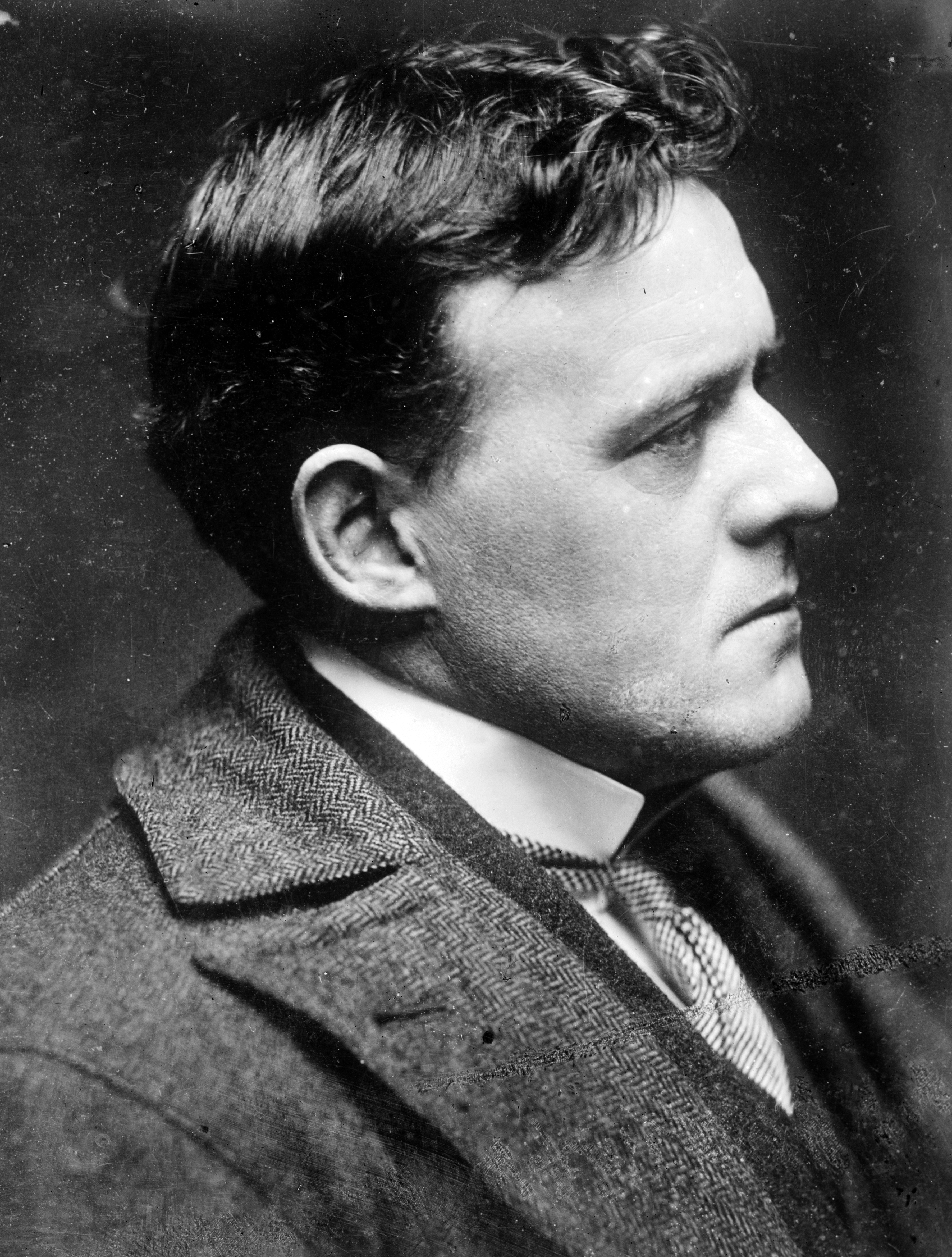
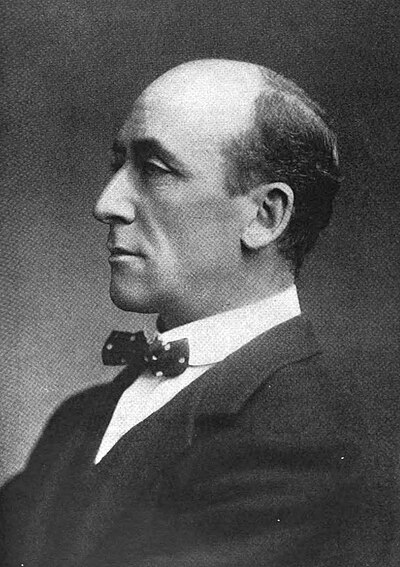
Alfred Noyes was an English poet, short-story writer, and playwright known for his lyrical verse and narrative poetry. Born in 1880, he gained prominence in the early 20th century with works that often reflected themes of love, nature, and the human experience. His most famous poem, 'The Highwayman,' published in 1906, is a narrative ballad that captures the tragic romance between a highwayman and his lover, Bess. This work, along with others like 'The Barrel Organ' and 'The Flower of Old Japan,' showcased his ability to blend vivid imagery with musicality, earning him a place among the notable poets of his time. Noyes's literary significance extended beyond his poetry; he was also a prominent figure in the literary community, engaging with contemporary issues and contributing to various literary journals. His works often explored the intersection of personal emotion and broader societal themes, making him a voice of his generation. Despite facing criticism and fluctuating popularity throughout his career, Noyes's influence persisted, and he was recognized for his contributions to literature with honors such as being appointed a Commander of the Order of the British Empire (CBE). His legacy endures through his poetry, which continues to be studied and appreciated for its emotional depth and narrative strength.
Famous Quotes
View all 3 quotes“And still on a winter's night, they say, when the wind is in the trees, When the moon is a ghostly galleon tossed upon cloudy seas, When the road is a gypsy's ribbon looping the purple moor, The highwayman comes riding-- Riding--riding-- The highwayman comes riding, up to the old inn-door. Over the cobbles he clatters and clangs in the dark inn-yard, He taps with his whip on the shutters, but all is locked and barred, He whistles a tune to the window, and who should be waiting there But the landlord's black-eyed daughter-- Bess, the landlord's daughter-- Plaiting a dark red love-knot into her long black hair.”
“The wind was a torrent of darkness among the gusty trees, The moon was a ghostly galleon tossed upon cloudy seas, The road was a ribbon of moonlight, over the purple moor, And the highwayman came riding-- Riding--riding-- The highwayman came riding, up to the old inn-door.”
“One kiss, my bonny sweetheart; I'm after a prize tonight, But I shall be back with the yellow gold before the morning light. Yet if they press me sharply, and harry me through the day, Then look for me by moonlight, Watch for me by moonlight, I'll come to thee by moonlight, though hell should bar the way.”
Books from the author


Link to this page
Add a free, dofollow link to Lex on your blog, forum, syllabus, or reading list.

<a href="https://lex-books.com/author/alfred-noyes"><img src="https://lex-books.com/badges/read-on-lex.svg" alt="Alfred Noyes on Lex" width="160" height="40"></a>[](https://lex-books.com/author/alfred-noyes)[url=https://lex-books.com/author/alfred-noyes][img]https://lex-books.com/badges/read-on-lex.svg[/img][/url]Alfred Noyes on Lex: https://lex-books.com/author/alfred-noyes