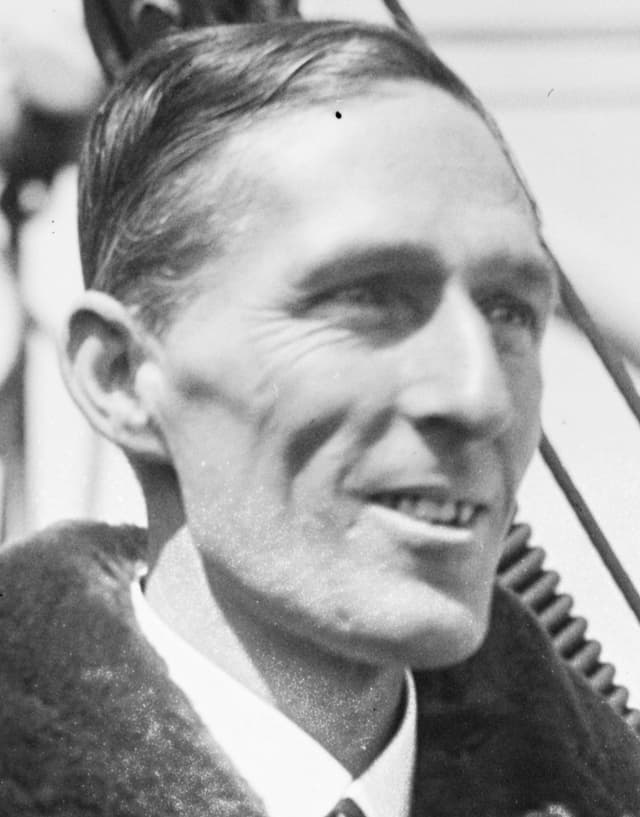
Philip Gibbs
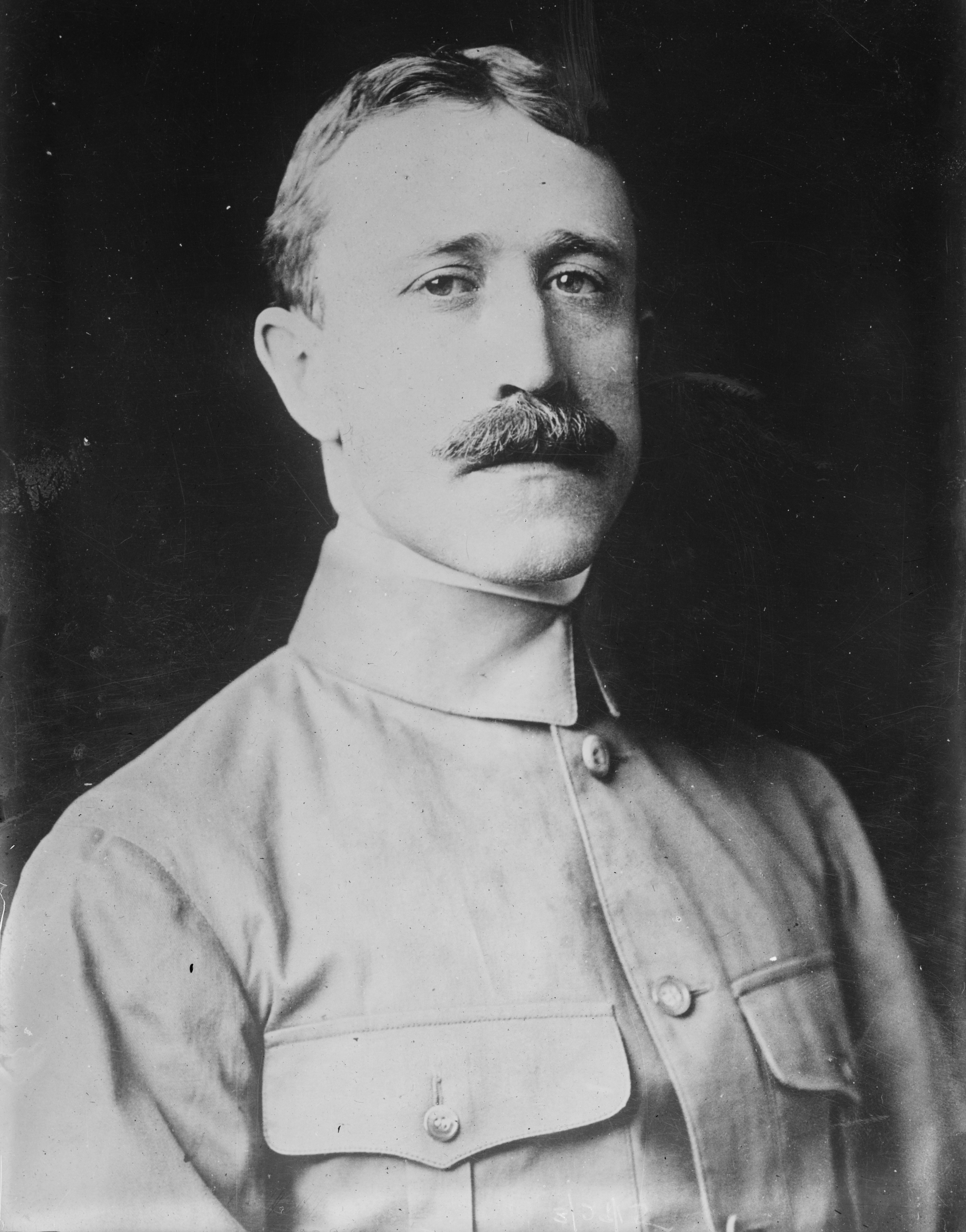
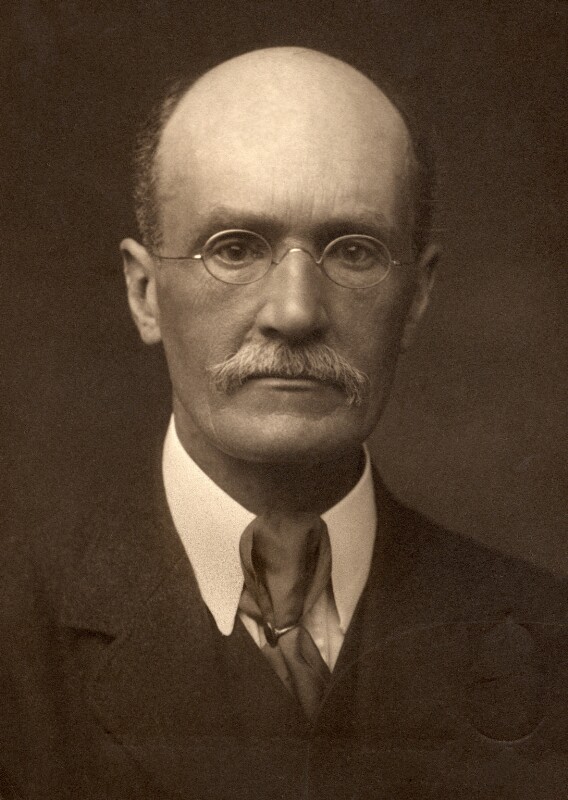
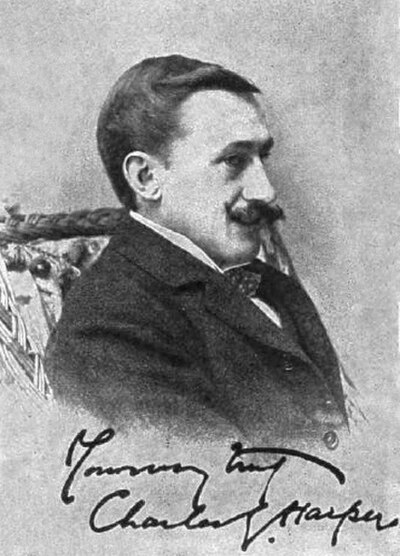
Sir Philip Gibbs was an English journalist and author, renowned for his vivid accounts of the First World War. As one of only five official British war correspondents during the conflict, he provided a unique perspective on the realities of warfare, capturing the experiences of soldiers and the impact of the war on society. His notable works include 'The Soul of the Soldier' and 'Now It Can Be Told', which offered readers an intimate look at the front lines and the human cost of the war. Gibbs's writings were characterized by their emotional depth and a commitment to portraying the truth of the battlefield, making him a significant figure in war literature. Beyond his war correspondence, Gibbs's literary contributions extended to novels and plays, where he often explored themes of heroism, sacrifice, and the moral complexities of conflict. His ability to convey the psychological and social ramifications of war influenced both contemporary and later writers. Gibbs's legacy endures as a crucial voice in war literature, providing insights that continue to resonate in discussions about the nature of conflict and its effects on humanity.
Famous Quotes
View all 3 quotes“If I have learned anything it is that pity is more intelligent than hatred, that mercy is better than justice, that if one walks around the world with friendly eyes one makes good friends.”
“Lip service to Christian ethics was not good enough as an argument for this. Either the heart of the world must be changed by a real obedience to the gospel of Christ or Christianity must be abandoned for a new creed which would give better results between men and nations”
“From the point of view of high generalship those holding attacks had served their purpose pretty well. From the point of view of mother's sons they had been a bloody shambles without any gain. The point of view depends on the angle of vision.”
Books from the author
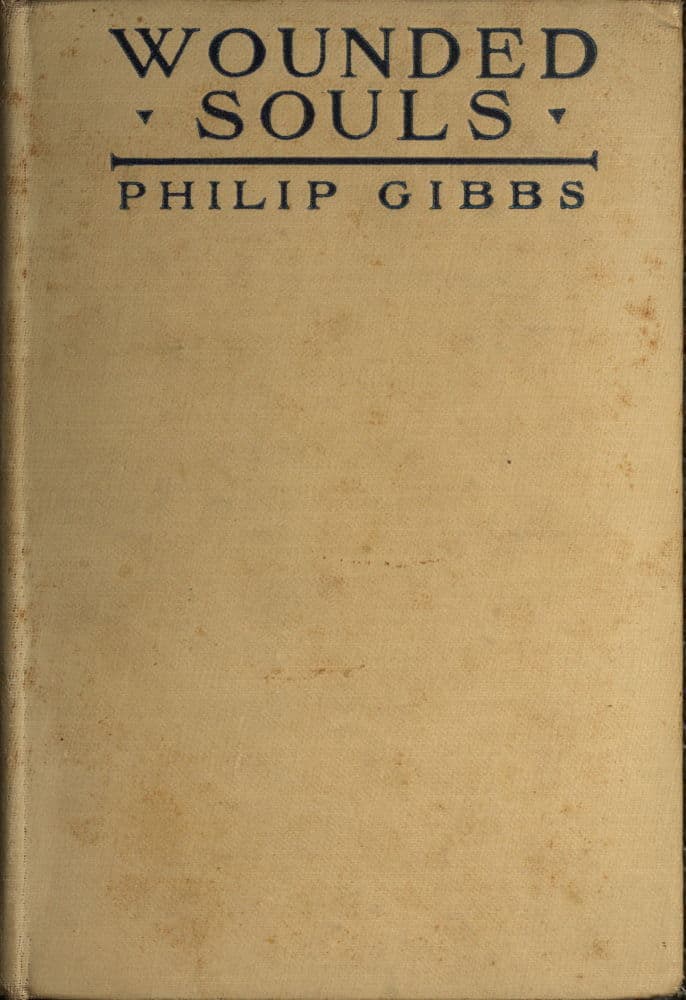


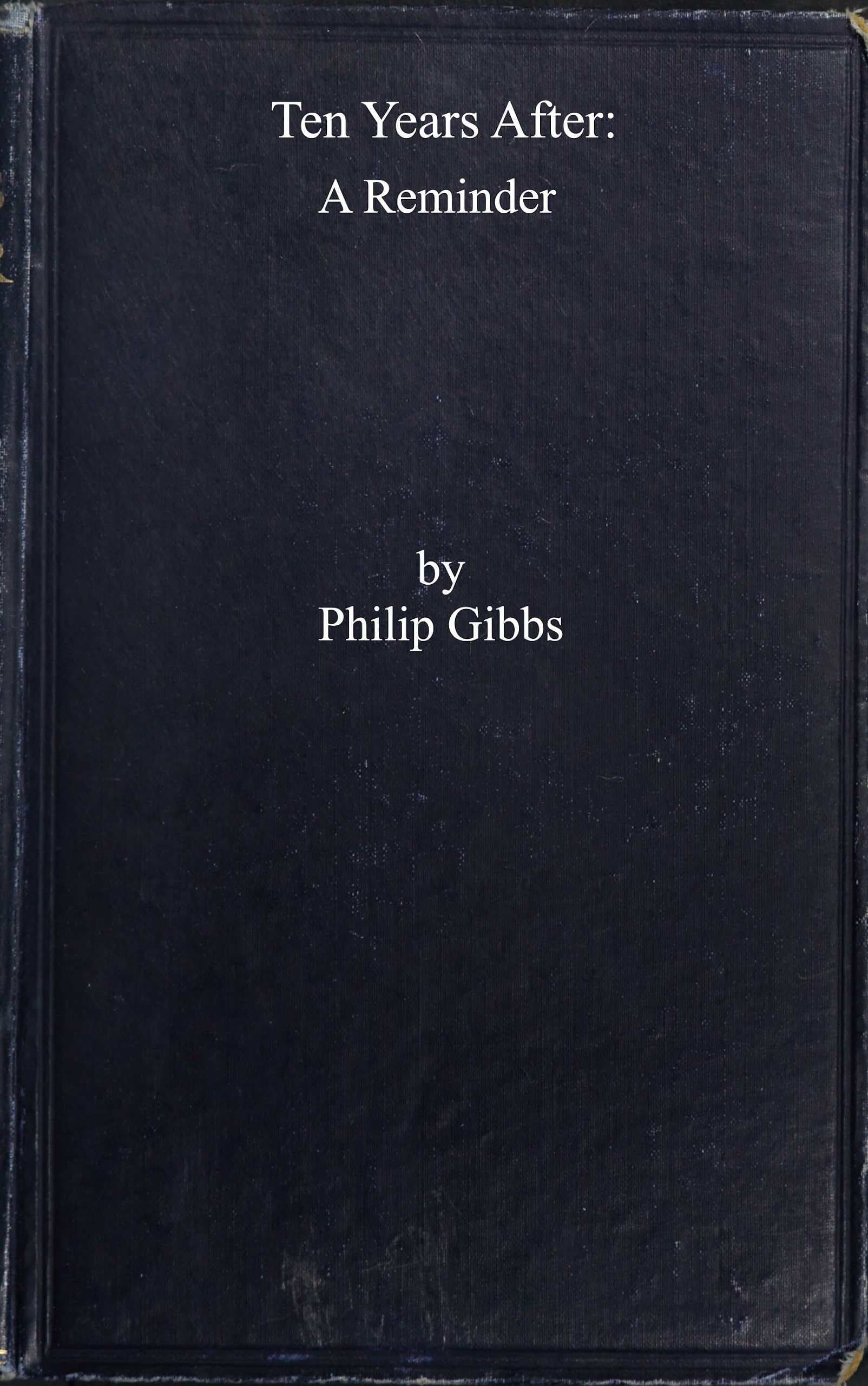







Link to this page
Add a free, dofollow link to Lex on your blog, forum, syllabus, or reading list.

<a href="https://lex-books.com/author/philip-gibbs"><img src="https://lex-books.com/badges/read-on-lex.svg" alt="Philip Gibbs on Lex" width="160" height="40"></a>[](https://lex-books.com/author/philip-gibbs)[url=https://lex-books.com/author/philip-gibbs][img]https://lex-books.com/badges/read-on-lex.svg[/img][/url]Philip Gibbs on Lex: https://lex-books.com/author/philip-gibbs