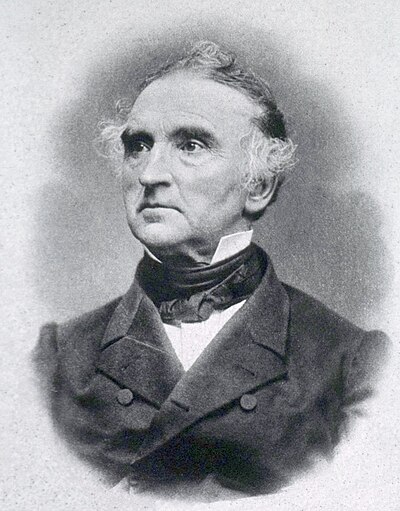
John Owen
John Owen was an influential English theologian and writer, known for his profound contributions to Reformed theology during the late 18th and early 19th centuries. He served as a clergyman and was deeply engaged in the religious and philosophical discussions of his time. Owen's works often addressed the complexities of faith, temptation, and the nature of sin, with notable titles such as 'Mortification of Sin in Believers' and 'Of Temptation,' which provided insights into the struggles of the Christian life. His theological writings were characterized by a rigorous examination of scripture and a commitment to the principles of Puritanism. In addition to his theological treatises, Owen also explored broader cultural themes in works like 'The Fashionable World Displayed' and 'The Skeptics of the Italian Renaissance,' reflecting on the interplay between faith and contemporary society. His 'Commentary on Hebrews' and 'Exposition of the Epistle to the Hebrews' demonstrated his scholarly approach to biblical texts, solidifying his reputation as a significant biblical commentator. Owen's legacy lies in his ability to articulate complex theological concepts with clarity and depth, influencing generations of theologians and laypeople alike, and his works continue to be studied for their insights into Christian doctrine and ethics.
Famous Quotes
View all 3 quotes“On Christ’s glory I would fix all my thoughts and desires, and the more I see of the glory of Christ, the more the painted beauties of this world will wither in my eyes and I will be more and more crucified to this world. It will become to me like something dead and putrid, impossible for me to enjoy.”
“The greatest sorrow and burden you can lay on the Father, the greatest unkindness you can do to him is not to believe that he loves you.”
“He can make the dry parched ground of my soul to become a pool and my thirsty barren heart as springs of water. Yes he can make this habitation of dragons this heart which is so full of abominable lusts and fiery temptations to be a place of bounty and fruitfulness unto Himself”
Books from the author


Link to this page
Add a free, dofollow link to Lex on your blog, forum, syllabus, or reading list.

<a href="https://lex-books.com/author/john-owen"><img src="https://lex-books.com/badges/read-on-lex.svg" alt="John Owen on Lex" width="160" height="40"></a>[](https://lex-books.com/author/john-owen)[url=https://lex-books.com/author/john-owen][img]https://lex-books.com/badges/read-on-lex.svg[/img][/url]John Owen on Lex: https://lex-books.com/author/john-owen