John H. Weeks
John H. Weeks was an American soldier renowned for his bravery during the Civil War. Born in Hampton, Connecticut, he served as a private in the 152nd New York Infantry. His most notable act of valor occurred at the Battle of Spotsylvania Court House on May 12, 1864, where his courageous actions earned him the Medal of Honor, awarded on December 1, 1864. Weeks' commitment to his duty exemplified the spirit of the soldiers of his time, and his legacy is preserved through his recognition as a war hero. After the war, Weeks' contributions were acknowledged not only through his military honors but also through his enduring presence in the historical narrative of the Civil War. His story serves as a testament to the sacrifices made by countless soldiers and highlights the valor displayed in one of America's most tumultuous periods. John H. Weeks remains a significant figure in American military history, remembered for his dedication and bravery on the battlefield.
Famous Quotes
View all 3 quotes“Radar was our other best friend. We called him Radar because he looked like a little bespectacled guy called Radar on this old TV show M*A*S*H, except 1. The TV Radar wasn’t black, and 2. At some point after the nicknaming, our Radar grew about six inches and started wearing contacts, so I suppose that 3. He actually didn’t look like the guy on M*A*S*H at all, but 4. With three and a half weeks left of high school, we weren’t very well going to renickname him.””
“FIORELLO H. LA GUARDIA, mayor of New York, who conducted a colorful radio commentary on the city’s station, WNYC, from 1941–46, and on ABC for six months, Jan. 6–June 30, 1946, Sundays at 9:30 for Liberty magazine. La Guardia’s New York show was called Talk to the People. It was described by Time as “the most unorthodox chatter on the air.” He “left sentences dangling, mispronounced words, skipped syllables when he tantrum-well felt like it; he growled at chiselers, sang sarcastically at enemies, squeaked angrily at hecklers; he read the comics with expression and told housewives how to prepare oxtail ragout.” La Guardia reviewed the war news, discussed its implications for New Yorkers, warned loansharks (sometimes by name) to get out of town, and lobbied shamelessly for public support in his efforts to get his favored bits of legislation passed. His city show ran from 1 to 1:30 on Sundays. As he left office, ABC took him on in a quarter-hour, which was a condensed version of the old show. Liberty magazine paid him $1,000 a week, more than twice what he had earned as mayor.””
“[There] is one thing the oddly different groups do have in common. They all make rather special use of bread and wine. The use they make of it is bewilderingly different, but they all use it. If [this viewer] sticks with the program for a few weeks, he will soon discover that Christians have not only done different things with the bread and wine, but have done terrible things to each other because of it. Men and women have been imprisoned, whipped, pilloried, tortured, and burned alive because of differing opinions about what really happens when Christians eat bread and drink wine and remember their Lord.1””
Books from the author
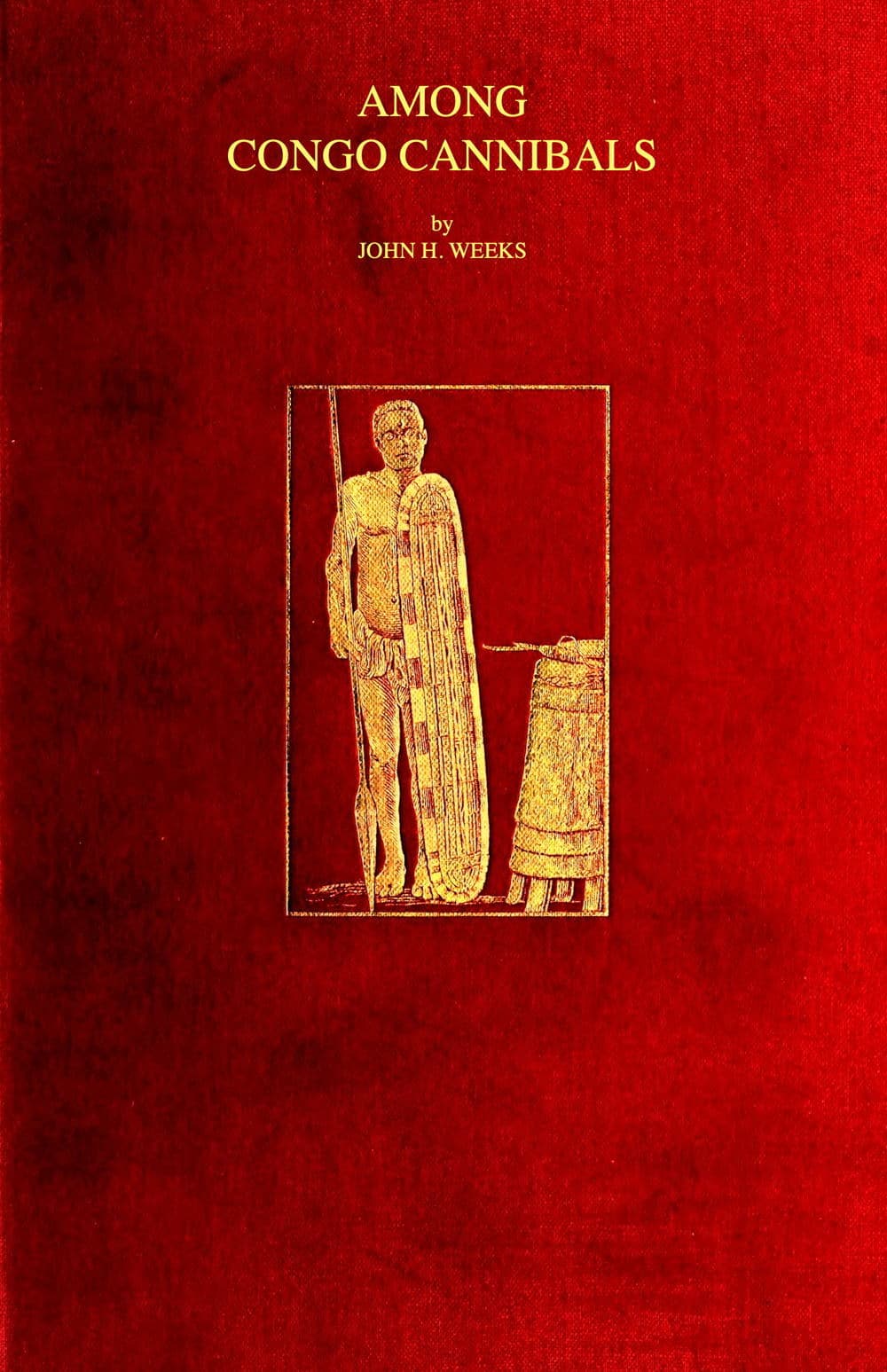
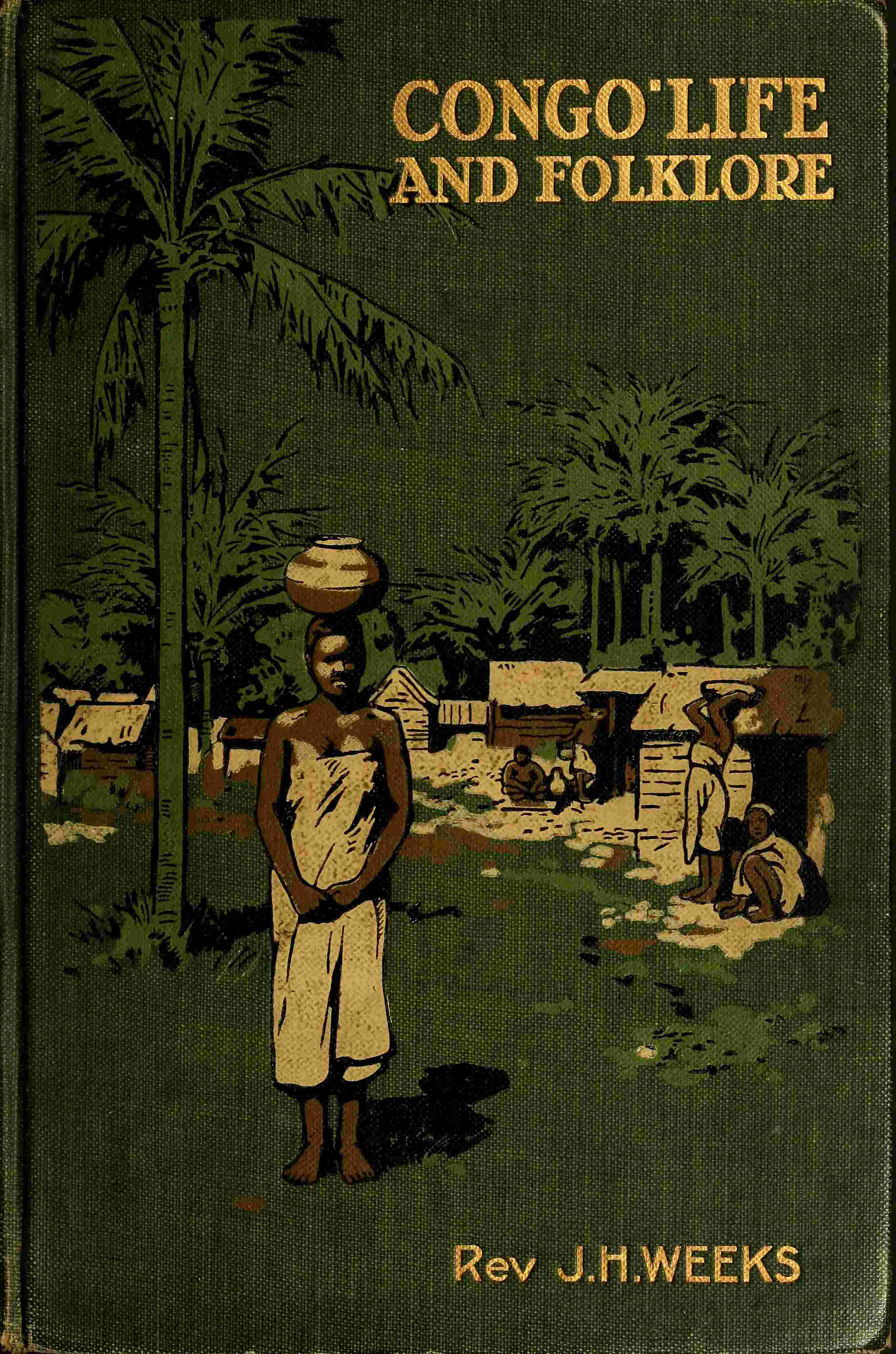



Link to this page
Add a free, dofollow link to Lex on your blog, forum, syllabus, or reading list.

<a href="https://lex-books.com/author/john-h-weeks"><img src="https://lex-books.com/badges/read-on-lex.svg" alt="John H. Weeks on Lex" width="160" height="40"></a>[](https://lex-books.com/author/john-h-weeks)[url=https://lex-books.com/author/john-h-weeks][img]https://lex-books.com/badges/read-on-lex.svg[/img][/url]John H. Weeks on Lex: https://lex-books.com/author/john-h-weeks