
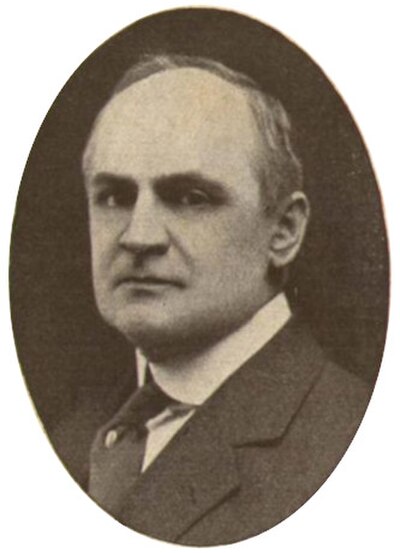
John A. Ryan
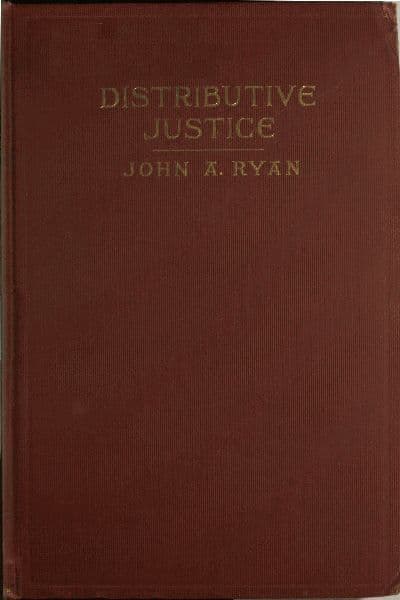
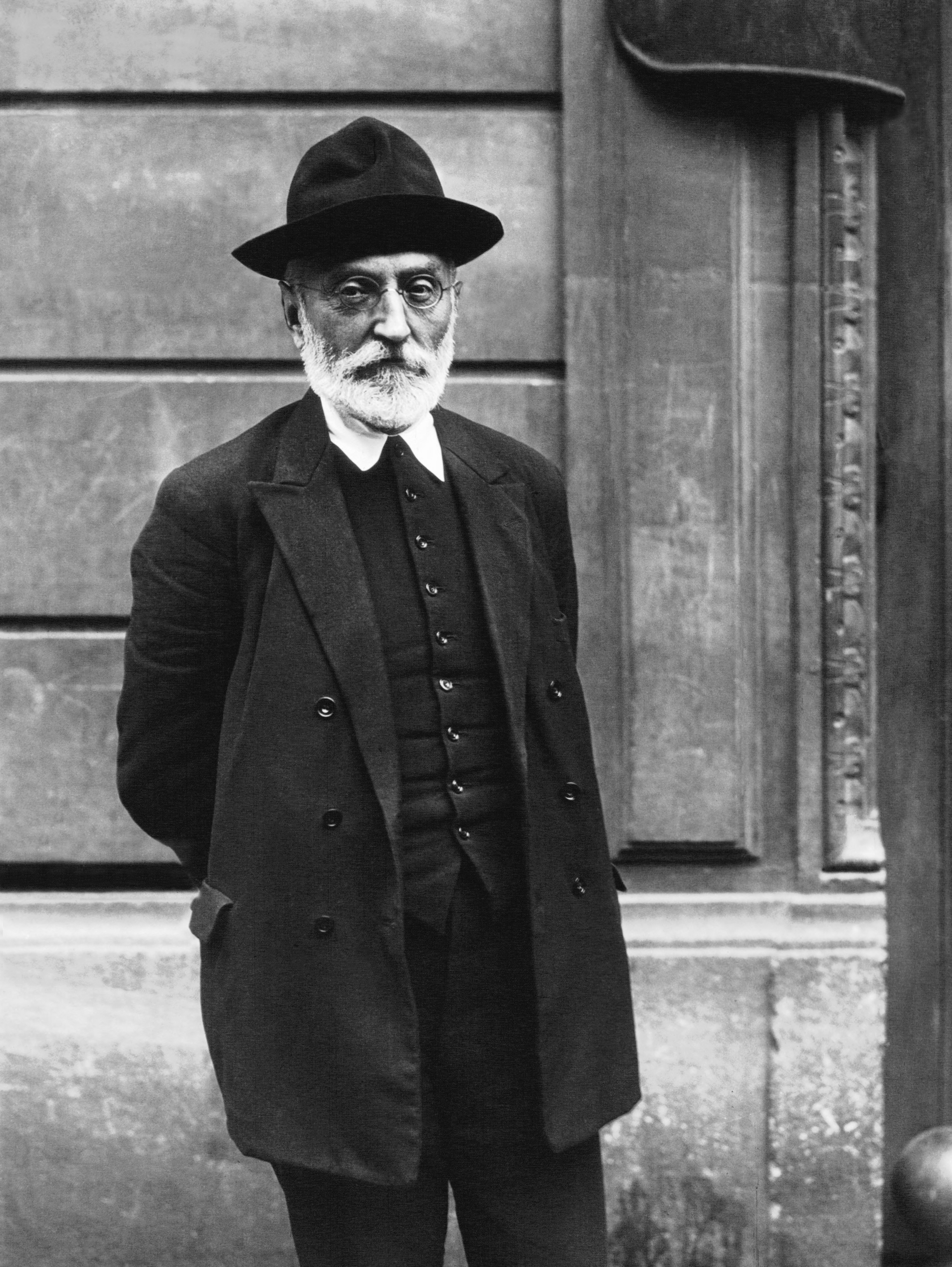
John A. Ryan was a prominent American theologian and social reformer, known for his influential writings on social justice and the role of the Church in addressing economic issues. Born in 1869 in Minnesota, Ryan was deeply influenced by the social conditions of his time, particularly the struggles of the working class during the industrial revolution. He earned his doctorate in theology and became a priest, dedicating his life to advocating for the rights of workers and the poor. His seminal work, "A Living Wage," published in 1906, argued for the necessity of a just wage that would allow workers to support their families and live with dignity, laying the groundwork for later discussions on labor rights and economic justice within Catholic social teaching. Ryan's contributions extended beyond his writings; he was a key figure in the development of the Catholic social thought movement in the early 20th century. He served as a professor at the Catholic University of America and was actively involved in various social justice initiatives, including labor rights and economic reform. His advocacy for social justice was groundbreaking, as it challenged both the Church and society to confront issues of poverty and inequality. Ryan's legacy endures in the continued relevance of his ideas in contemporary discussions about economic justice and the moral responsibilities of society towards its most vulnerable members.
Famous Quotes
View all 4 quotes“John D. Rockefeller, who was as rich as they come, believed that “a man’s wealth must be determined by the relation of his desires and expenditures to his income. If he feels rich on $10 and has everything he desires, he really is rich.” Today, you could try to increase your wealth, or you could take a shortcut and just want less.””
“August 29th WANT NOTHING = HAVE EVERYTHING “No person has the power to have everything they want, but it is in their power not to want what they don’t have, and to cheerfully put to good use what they do have.””
“Standing at the prow of the pitching deck of the trawler, unscrewing the top of his flask, Frank Fontaine asked himself: Am I after fish”
Books from the author





Link to this page
Add a free, dofollow link to Lex on your blog, forum, syllabus, or reading list.

<a href="https://lex-books.com/author/john-a-ryan"><img src="https://lex-books.com/badges/read-on-lex.svg" alt="John A. Ryan on Lex" width="160" height="40"></a>[](https://lex-books.com/author/john-a-ryan)[url=https://lex-books.com/author/john-a-ryan][img]https://lex-books.com/badges/read-on-lex.svg[/img][/url]John A. Ryan on Lex: https://lex-books.com/author/john-a-ryan