
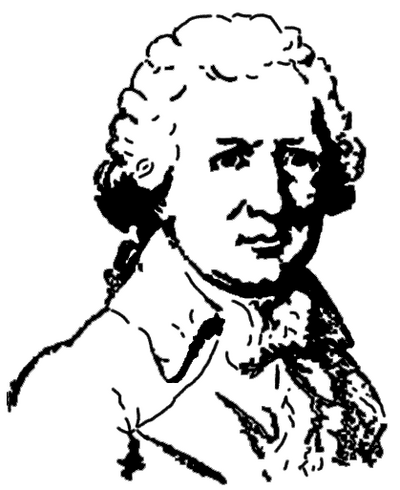
Johann Nikolaus Forkel
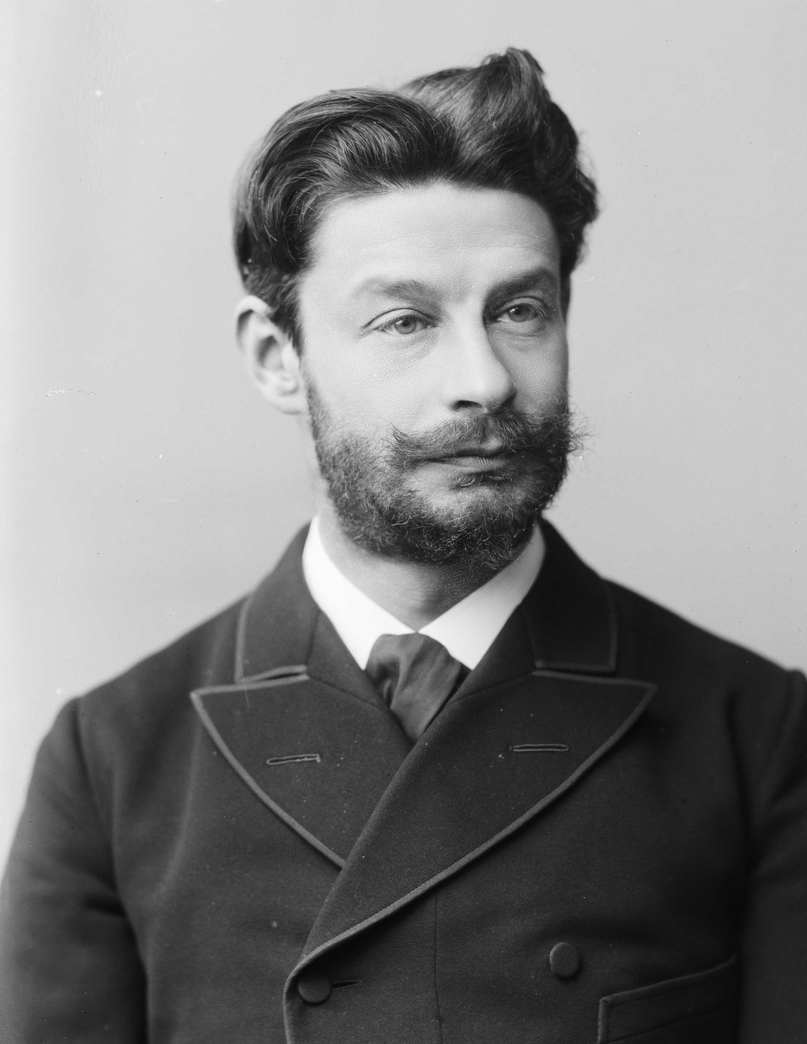
Johann Nikolaus Forkel was a pioneering German musicologist and music theorist, recognized as one of the founders of modern musicology. His influential works laid the groundwork for the academic study of music history. Among his notable publications is the two-volume 'Allgemeine Geschichte der Musik' (General History of Music), which stands as one of the earliest comprehensive histories of Western music. Forkel's meticulous research and analysis provided a framework that would shape the field for generations to come. In addition to his historical studies, Forkel made significant contributions to the understanding of Johann Sebastian Bach through his seminal work 'Johann Sebastian Bach: His Life, Art, and Work.' This biography was the first substantial survey of Bach's life and oeuvre, offering insights that would influence both musicology and performance practice. Forkel's dedication to the scholarly examination of music not only elevated the status of musicology as a discipline but also ensured that the legacies of composers like Bach would be preserved and appreciated in the centuries that followed.
Famous Quotes
View all 3 quotes“Bach liked to play the Viola, an instrument which put him, as it were, in the middle of the harmony in a position from which he could hear and enjoy it on both sides.”
“A man of rigid uprightness, sincerely religious; steeped in his art, earnest and grave, yet not lacking naive humour; ever hospitable and generous, and yet shrewd and cautious; pugnacious when his art was slighted or his rights were infringed; generous in the extreme to his wife and children, and eager to give the latter advantages which he had never known himself; a lover of sound theology, and of a piety as deep as it was unpretentious—such were the qualities of one who towers above all other masters of music in moral grandeur.”
“For Bach's works are a priceless national patrimony;”
Books from the author




Link to this page
Add a free, dofollow link to Lex on your blog, forum, syllabus, or reading list.

<a href="https://lex-books.com/author/johann-nikolaus-forkel"><img src="https://lex-books.com/badges/read-on-lex.svg" alt="Johann Nikolaus Forkel on Lex" width="160" height="40"></a>[](https://lex-books.com/author/johann-nikolaus-forkel)[url=https://lex-books.com/author/johann-nikolaus-forkel][img]https://lex-books.com/badges/read-on-lex.svg[/img][/url]Johann Nikolaus Forkel on Lex: https://lex-books.com/author/johann-nikolaus-forkel