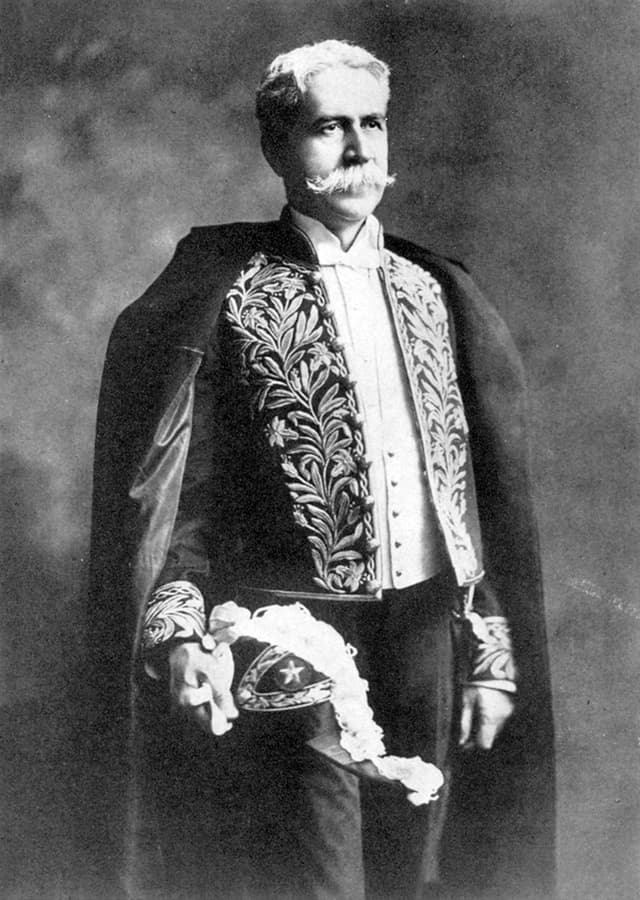
Joaquim Nabuco
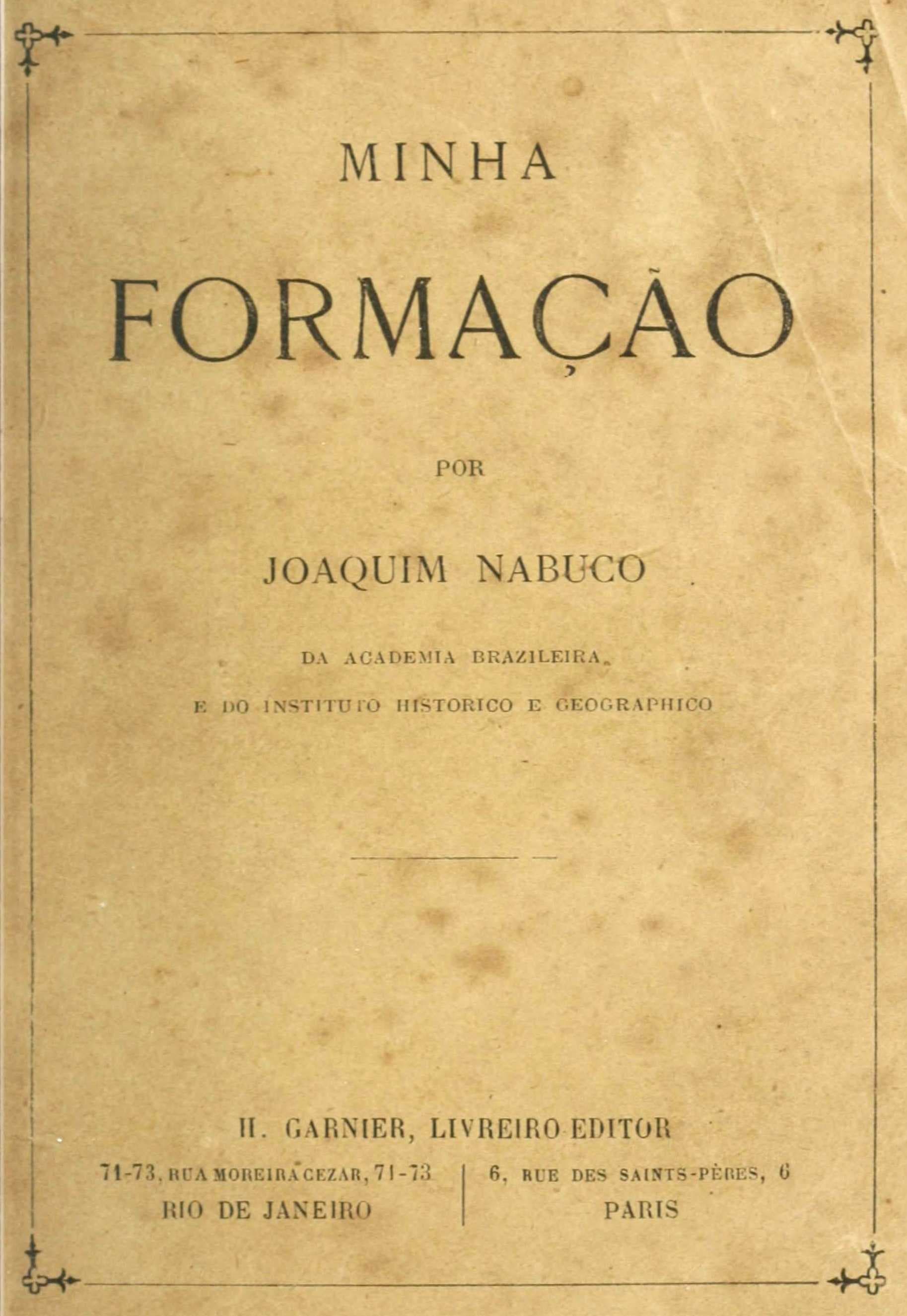
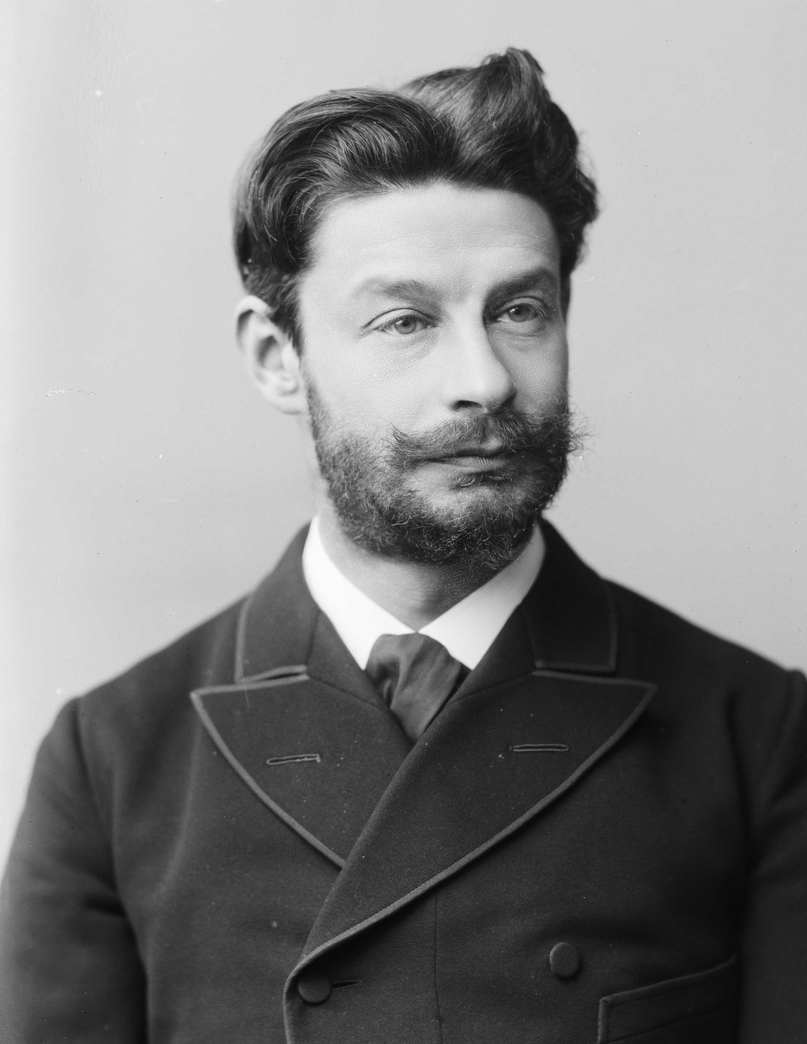
Joaquim Nabuco was a prominent Brazilian writer and statesman, recognized as a leading figure in the abolitionist movement in Brazil. Born into a wealthy family, he was exposed to the injustices of slavery from an early age, which deeply influenced his literary and political pursuits. Nabuco's most notable works include "O Abolicionismo" (Abolitionism), a passionate treatise advocating for the end of slavery, and his autobiography, "Minha Formação" (My Formation), which reflects on his upbringing and the socio-political landscape of Brazil during his lifetime. His eloquent writings combined personal narrative with social critique, making significant contributions to Brazilian literature and thought. Nabuco's legacy extends beyond his literary achievements; he played a crucial role in the political arena, serving as a diplomat and a member of the Brazilian parliament. His advocacy for abolition was instrumental in shaping public opinion and policy, ultimately leading to the abolition of slavery in Brazil in 1888. Nabuco's commitment to social justice and his articulate defense of human rights have left a lasting impact on Brazilian society, marking him as a key figure in the nation's history and literature.
Famous Quotes
View all 3 quotes“Educate your children, educate yourself, in the love for the freedom of others, for only in this way will your own freedom not be a gratuitous gift from fate. You will be aware of its worth and will have the courage to defend it.”
“Suprimir a monarquia que tínhamos, ficou claro para mim desde então, era uma política a que eu não poderia nunca associar-me; eu poderia tanto banir, deportar o imperador, como atirar ao mar uma criança ou deitar fogo à Santa Casa. Quebrar o laço, talvez providencial, que ligava a história do Brasil à monarquia era-me moralmente tão impossível como me seria no caso de Calabar entregar Pernambuco por minhas próprias mãos ao estrangeiro. Faltar-me-iam forças para uma intervenção dessas no destino do meu país. Seria atrair sobre mim um golpe de paralisia, ferir-me eu mesmo de morte moral. Minha coragem recuava diante da linhagem misteriosa do Inconsciente Nacional. O Brasil tinha tomado a forma monárquica, eu não a alteraria.”
“De muitas doenças graves costuma-se dizer que foi no princípio um resfriamento mal curado; a história da América do Sul parece não ter sido outra coisa senão uma revolução mal curada.”
Books from the author


Link to this page
Add a free, dofollow link to Lex on your blog, forum, syllabus, or reading list.

<a href="https://lex-books.com/author/joaquim-nabuco"><img src="https://lex-books.com/badges/read-on-lex.svg" alt="Joaquim Nabuco on Lex" width="160" height="40"></a>[](https://lex-books.com/author/joaquim-nabuco)[url=https://lex-books.com/author/joaquim-nabuco][img]https://lex-books.com/badges/read-on-lex.svg[/img][/url]Joaquim Nabuco on Lex: https://lex-books.com/author/joaquim-nabuco