
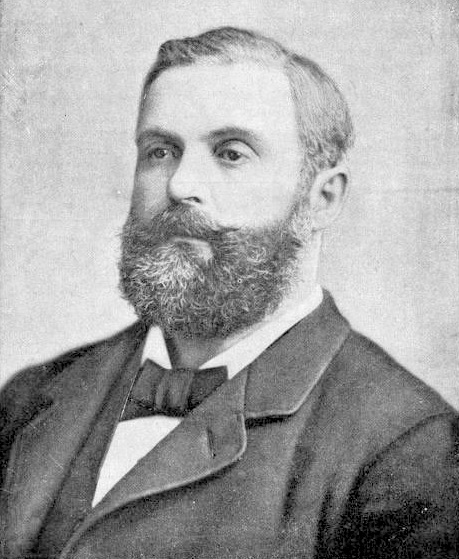
João Batista da Silva Leitão de Almeida Garrett, Visconde de Almeida Garrett
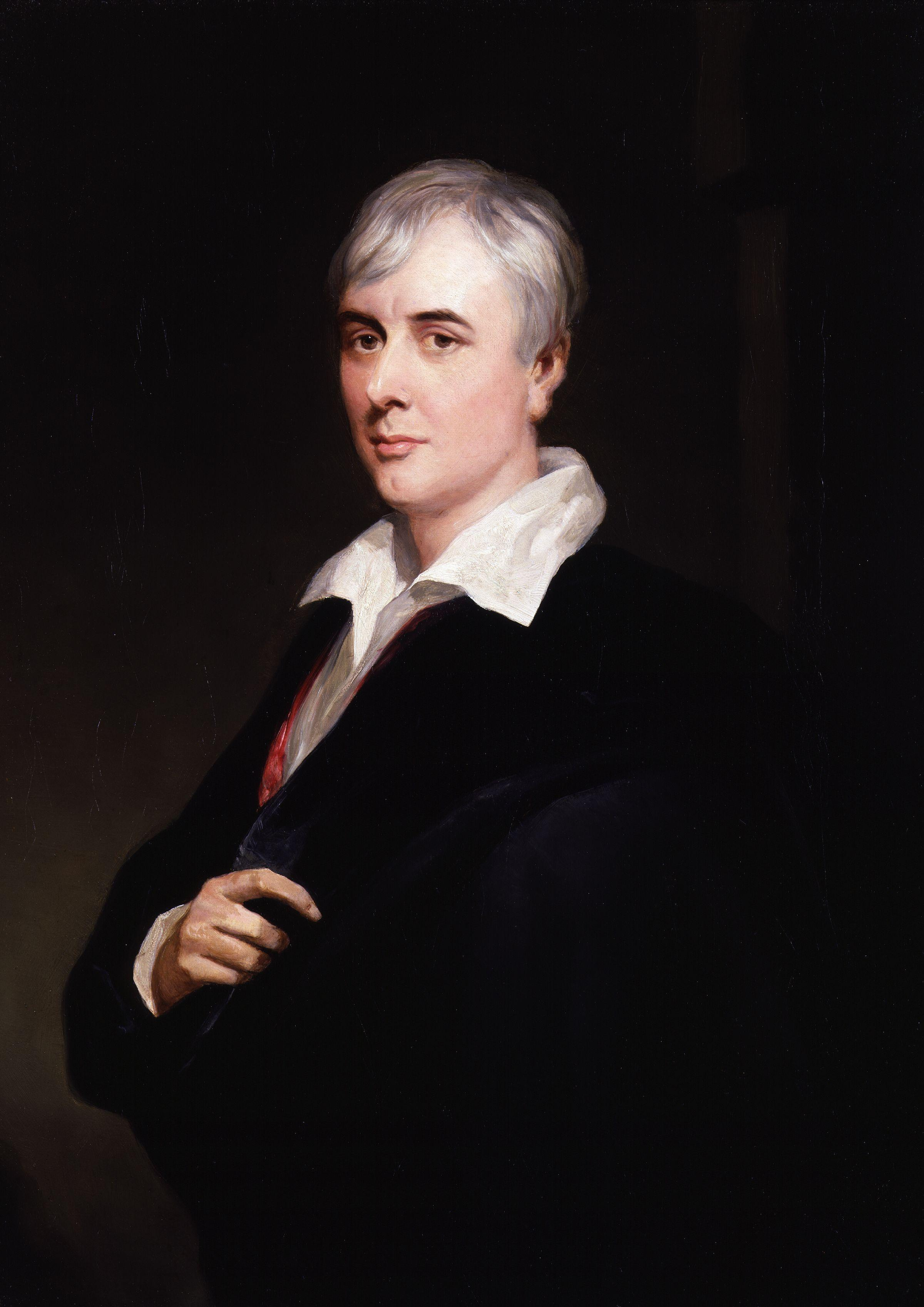
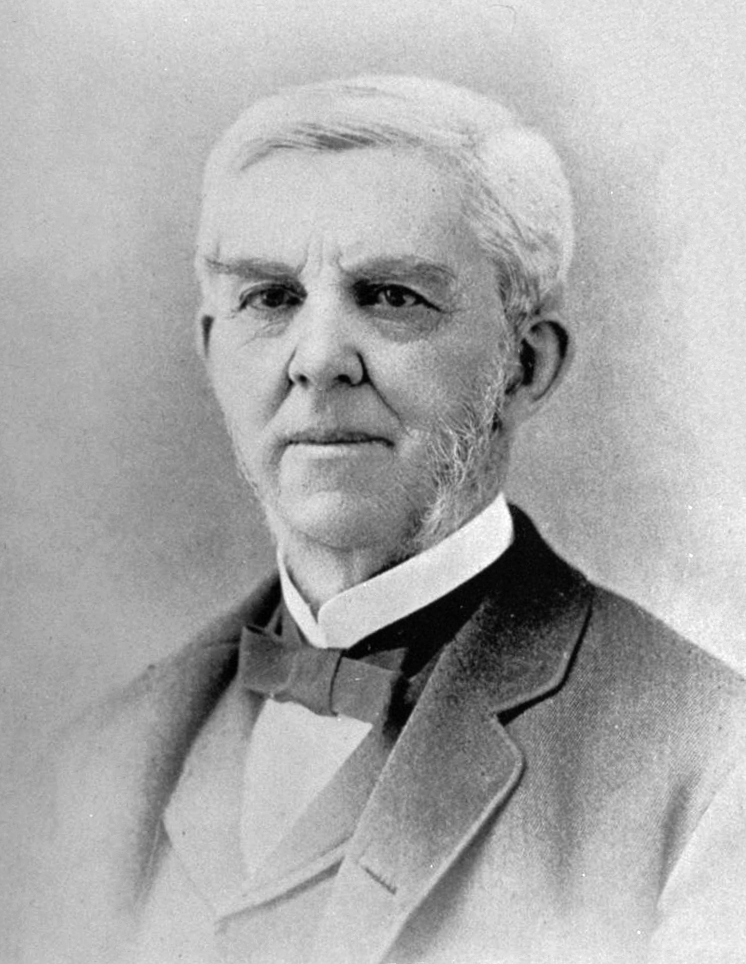
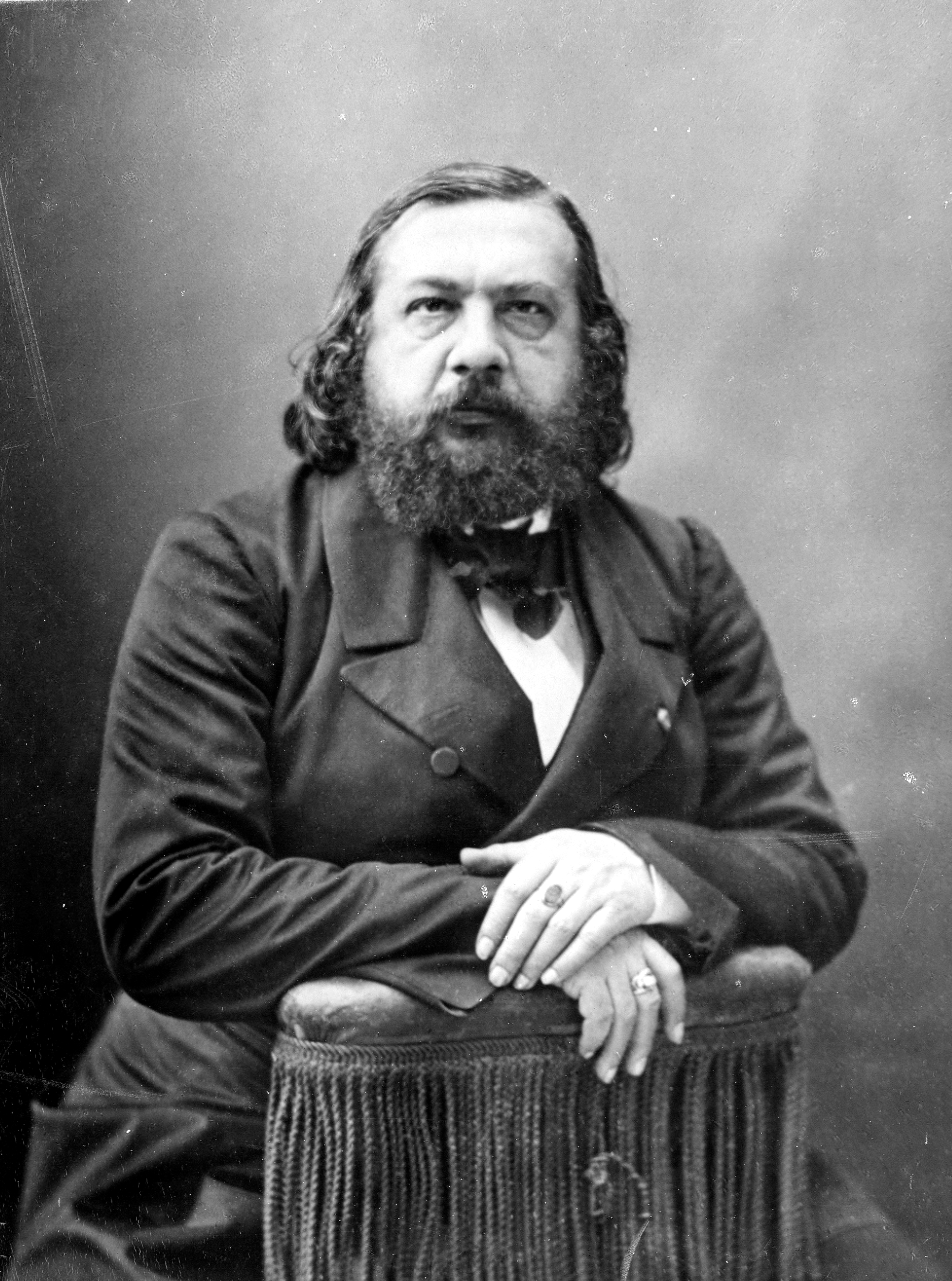
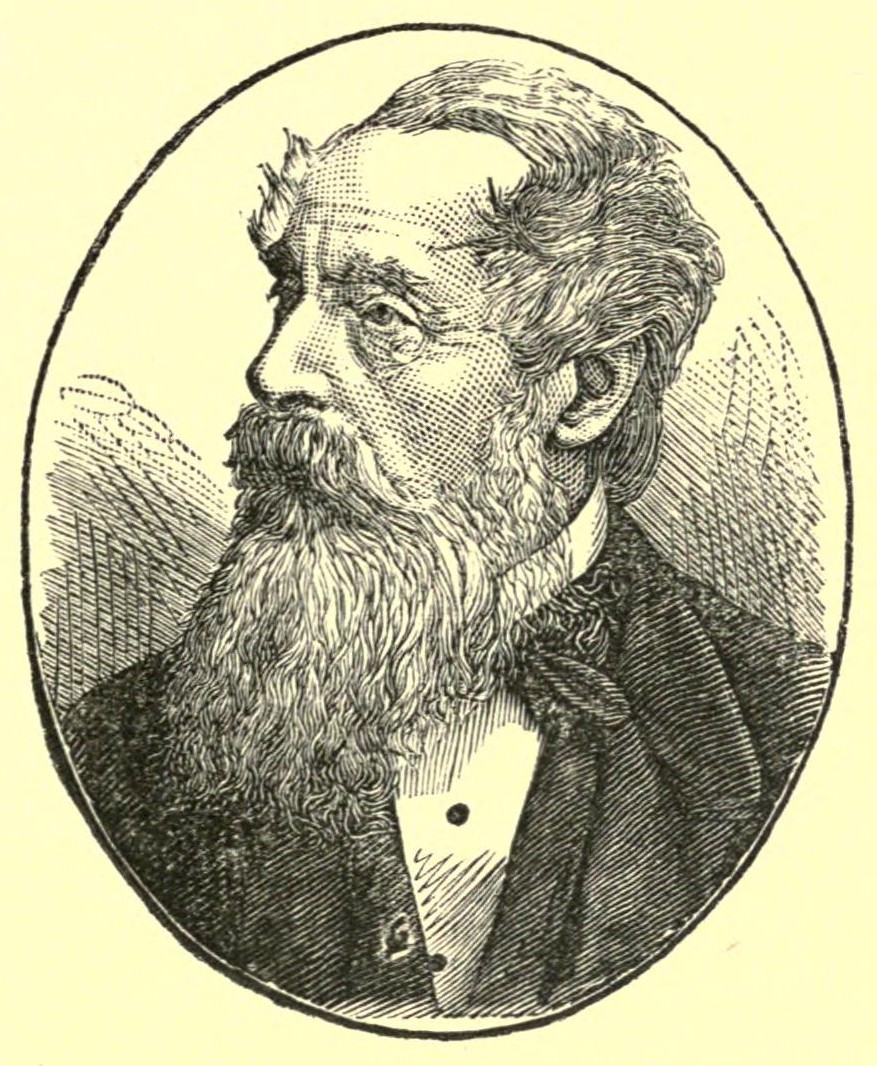
João Batista da Silva Leitão de Almeida Garrett, known as Visconde de Almeida Garrett, was a prominent Portuguese playwright, poet, and novelist, recognized as a key figure in the Romantic movement in Portugal. Born in the late 18th century, Garrett's early life was marked by a deep engagement with literature and the arts, which would later inform his diverse body of work. He was educated in the liberal atmosphere of the time, which influenced his progressive views on society and politics. His literary career began with poetry, but he soon turned to drama, where he made significant contributions with plays such as 'Frei Luís de Sousa,' which is celebrated for its emotional depth and exploration of themes like love, sacrifice, and the complexities of human relationships. Garrett's significance lies not only in his literary output but also in his role as a cultural advocate during a time of political upheaval in Portugal. He was instrumental in the establishment of the Portuguese theater and was a vocal proponent of the use of the Portuguese language in literature, challenging the dominance of classical forms. His novel 'O Guarani' is notable for its romantic themes and its exploration of the Portuguese identity. Garrett's works often reflected the struggles of his time, blending personal and national narratives, and he is remembered as a pioneer who helped shape modern Portuguese literature. His legacy endures as a foundational figure in the Romantic tradition, influencing generations of writers and artists in Portugal and beyond.
Books from the author

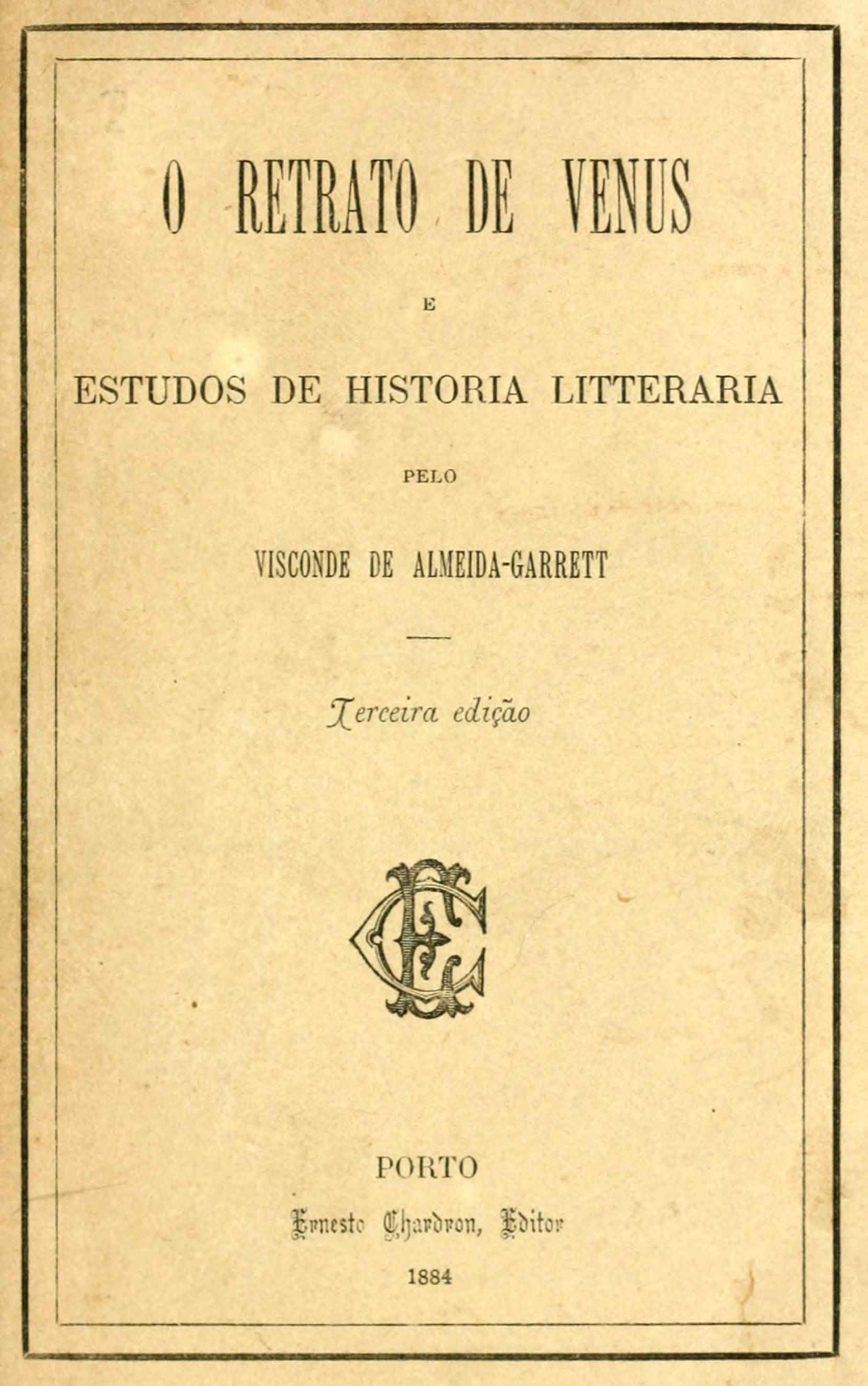
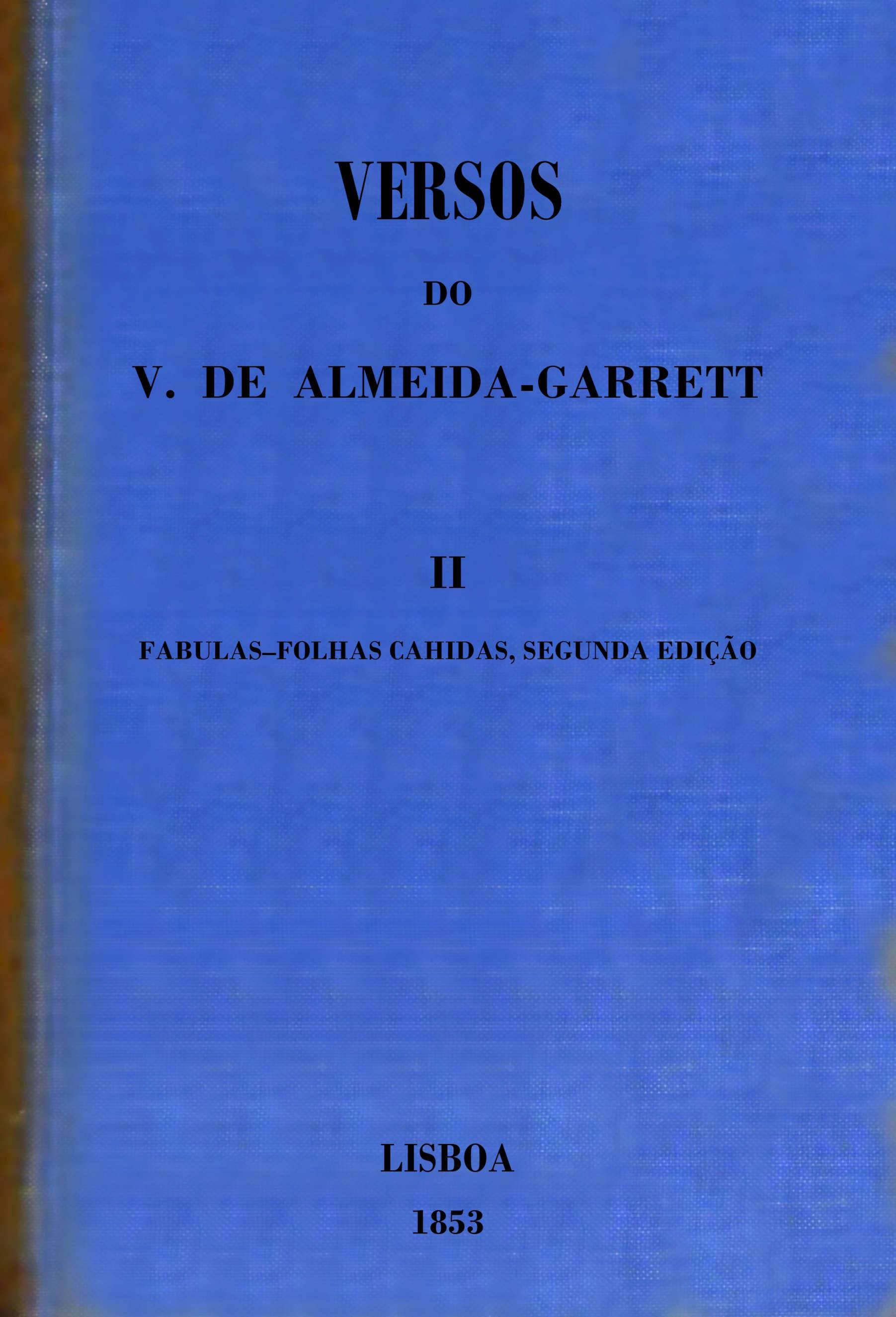



Link to this page
Add a free, dofollow link to Lex on your blog, forum, syllabus, or reading list.

<a href="https://lex-books.com/author/joão-batista-da-silva-leitão-de-almeida-garrett-visconde-de-almeida-garrett"><img src="https://lex-books.com/badges/read-on-lex.svg" alt="João Batista da Silva Leitão de Almeida Garrett, Visconde de Almeida Garrett on Lex" width="160" height="40"></a>[](https://lex-books.com/author/joão-batista-da-silva-leitão-de-almeida-garrett-visconde-de-almeida-garrett)[url=https://lex-books.com/author/joão-batista-da-silva-leitão-de-almeida-garrett-visconde-de-almeida-garrett][img]https://lex-books.com/badges/read-on-lex.svg[/img][/url]João Batista da Silva Leitão de Almeida Garrett, Visconde de Almeida Garrett on Lex: https://lex-books.com/author/joão-batista-da-silva-leitão-de-almeida-garrett-visconde-de-almeida-garrett