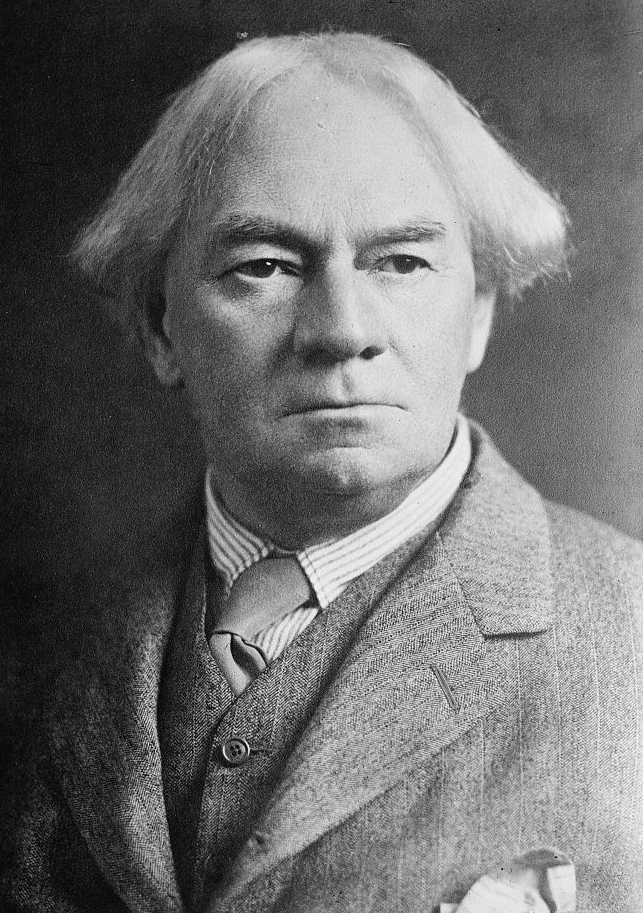
Trois Hommes Dans UN Bateau
1889
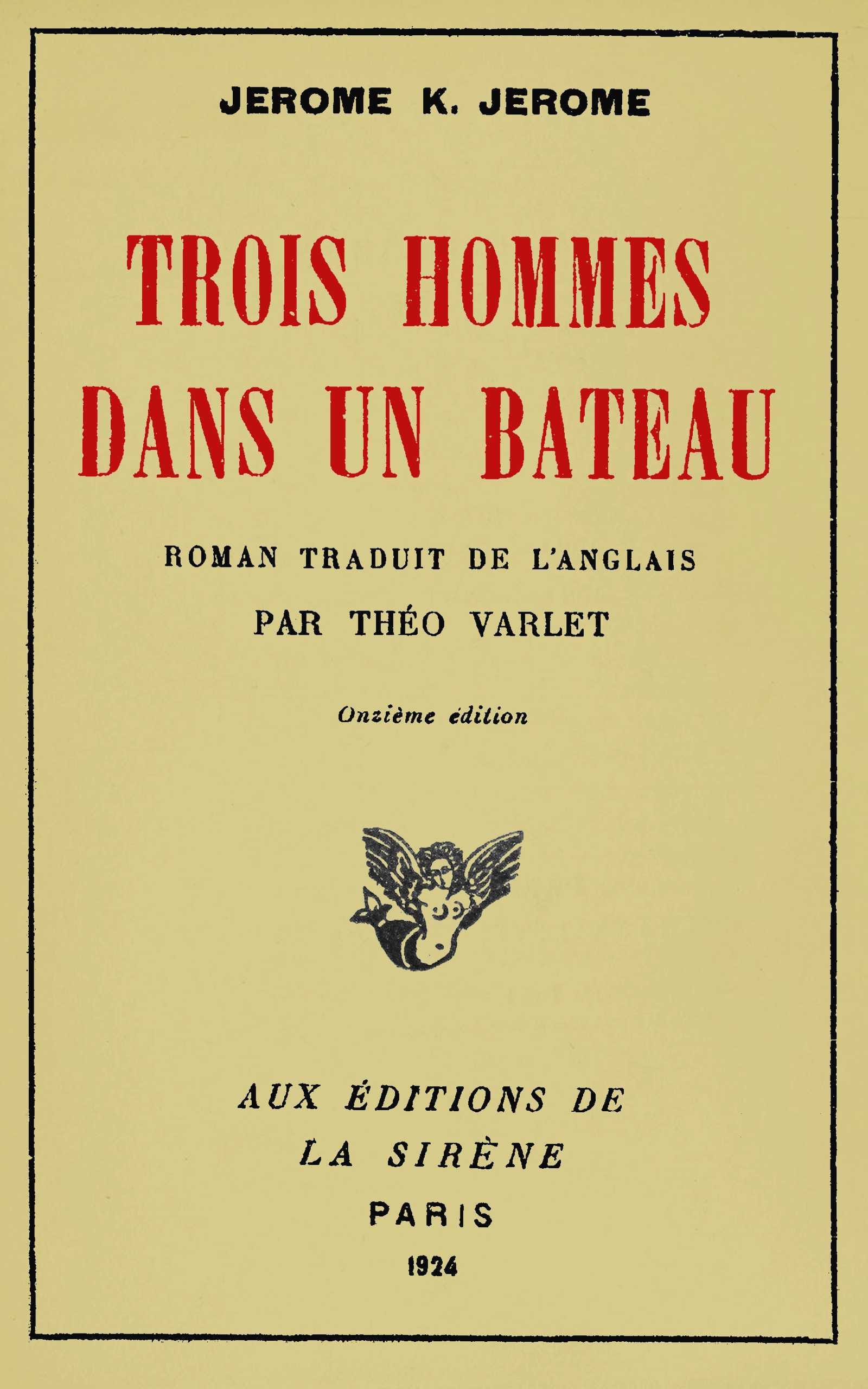
Trois Hommes Dans UN Bateau
1889
Translated by Théo Varlet
Three Victorian-era hypochondriacs convince themselves they need a holiday. So J., George, and Harris pack a hamper of provisions, hire a boat, and set off up the Thames with Montmorency, their fox-terrier, in tow. What follows is a masterclass in cheerful disaster: they argue over packing, lose each other in Hampton Court Maze, fall in the river repeatedly, and endure what may be the most infamous cheese-related catastrophe in literary history. Jerome K. Jerome writes with a gentle, self-deprecating wit that finds comedy in the universal human capacity for overthinking, overpacking, and overestimating one's own competence. The narrator's elaborate self-diagnoses, convincing himself he has every disease in a medical textbook, set the tone for a book that finds the absurd in the ordinary. More than a century later, Three Men in a Boat remains effortlessly funny because it captures something eternal: the optimism with which three friends approach a simple boat trip, and the joyful chaos that inevitably ensues.
Editions

X-Ray
“I can't sit still and see another man slaving and working. I want to get up and superintend, and walk round with my hands in my pockets, and tell him what to do. It is my energetic nature. I can't help it.””
— Jerome K. Jerome
“Let your boat of life be light, packed with only what you need - a homely home and simple pleasures, one or two friends, worth the name, someone to love and someone to love you, a cat, a dog, and a pipe or two, enough to eat and enough to wear, and a little more than enough to drink; for thirst is a dangerous thing. ””
— Jerome K. Jerome
“I don't know why it should be, I am sure; but the sight of another man asleep in bed when I am up, maddens me.””
— Jerome K. Jerome
“But who wants to be foretold the weather? It is bad enough when it comes, without our having the misery of knowing about it beforehand.””
— Jerome K. Jerome
“I don't understand German myself. I learned it at school, but forgot every word of it two years after I had left, and have felt much better ever since.””
— Jerome K. Jerome
“It always does seem to me that I am doing more work than I should do. It is not that I object to the work, mind you; I like work: it fascinates me. I can sit and look at it for hours. I love to keep it by me: the idea of getting rid of it nearly breaks my heart.You cannot give me too much work; to accumulate work has almost become a passion with me: my study is so full of it now, that there is hardly an inch of room for any more. I shall have to throw out a wing soon.And I am careful of my work, too. Why, some of the work that I have by me now has been in my possession for years and years, and there isn’t a finger-mark on it. I take a great pride in my work; I take it down now and then and dust it. No man keeps his work in a better state of preservation than I do.But, though I crave for work, I still like to be fair. I do not ask for more than my proper share.””
— Jerome K. Jerome
“Everything has its drawbacks, as the man said when his mother-in-law died, and they came down upon him for the funeral expenses.””
— Jerome K. Jerome
“How good one feels when one is full -- how satisfied with ourselves and with the world! People who have tried it, tell me that a clear conscience makes you very happy and contented; but a full stomach does the business quite as well, and is cheaper, and more easily obtained.””
— Jerome K. Jerome
“We must not think of the things we could do with, but only of the things that we can't do without.””
— Jerome K. Jerome
Link to this book
Add a free, dofollow link to Lex on your blog, forum, syllabus, or reading list.

<a href="https://lex-books.com/book/trois-hommes-dans-un-bateau-63cf15e2-21cd-4039-89b3-6a65a5d60aed"><img src="https://lex-books.com/badges/read-on-lex.svg" alt="Read Trois Hommes Dans UN Bateau by Jerome K. Jerome free on Lex" width="160" height="40"></a>[](https://lex-books.com/book/trois-hommes-dans-un-bateau-63cf15e2-21cd-4039-89b3-6a65a5d60aed)[url=https://lex-books.com/book/trois-hommes-dans-un-bateau-63cf15e2-21cd-4039-89b3-6a65a5d60aed][img]https://lex-books.com/badges/read-on-lex.svg[/img][/url]Read Trois Hommes Dans UN Bateau by Jerome K. Jerome free on Lex: https://lex-books.com/book/trois-hommes-dans-un-bateau-63cf15e2-21cd-4039-89b3-6a65a5d60aedCite this book
Reading this edition for a paper or guide? Copy a citation.
Jerome, Jerome K.. Trois Hommes Dans UN Bateau. Lex, lex-books.com/book/trois-hommes-dans-un-bateau-63cf15e2-21cd-4039-89b3-6a65a5d60aed.Jerome, J. K. (1889). Trois Hommes Dans UN Bateau. Lex. https://lex-books.com/book/trois-hommes-dans-un-bateau-63cf15e2-21cd-4039-89b3-6a65a5d60aedJerome, Jerome K.. Trois Hommes Dans UN Bateau. Lex. https://lex-books.com/book/trois-hommes-dans-un-bateau-63cf15e2-21cd-4039-89b3-6a65a5d60aed.