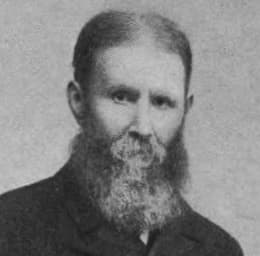
Jeremiah Curtin
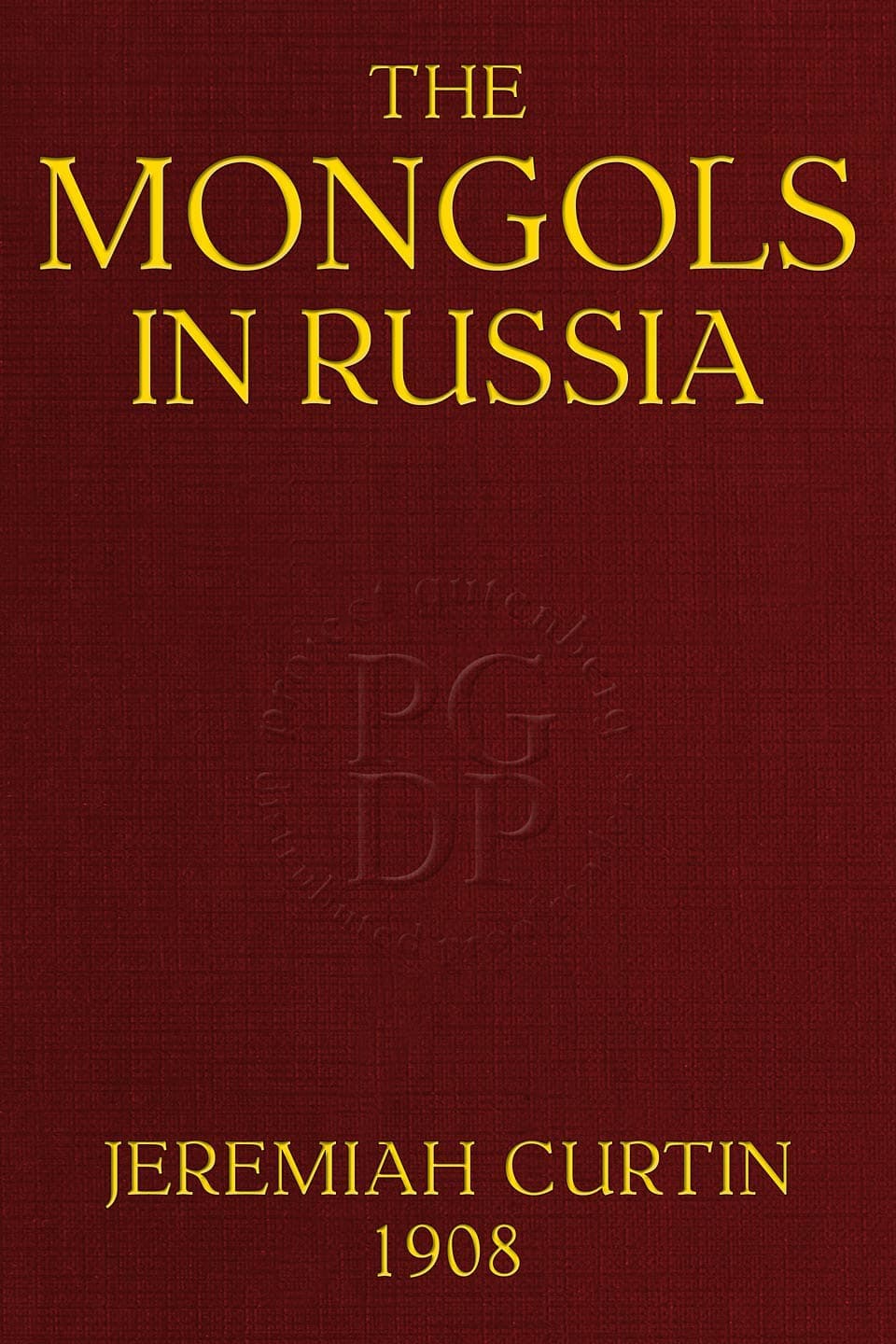
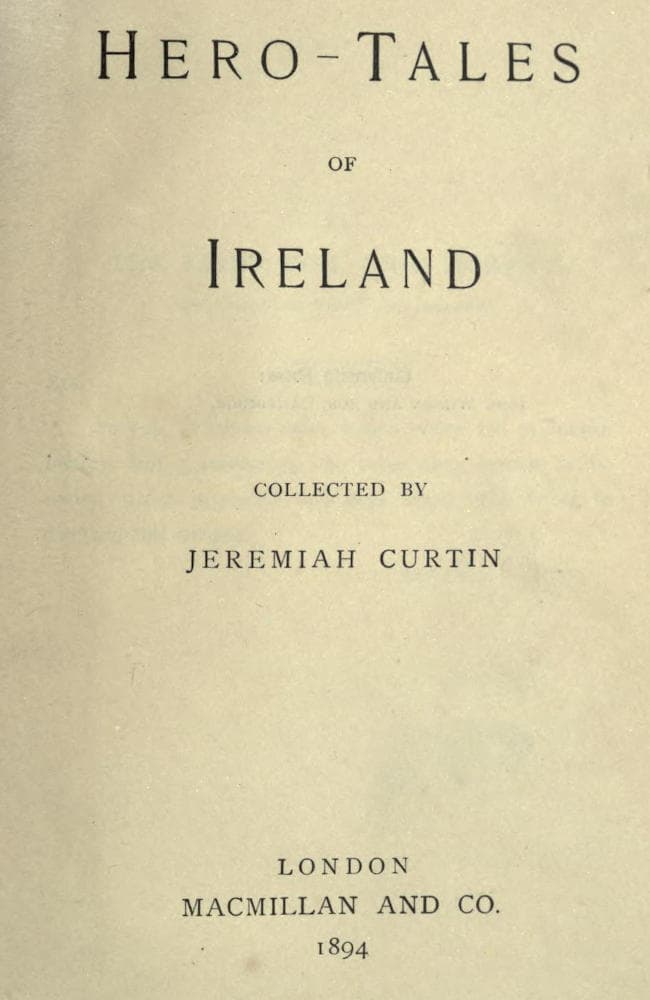
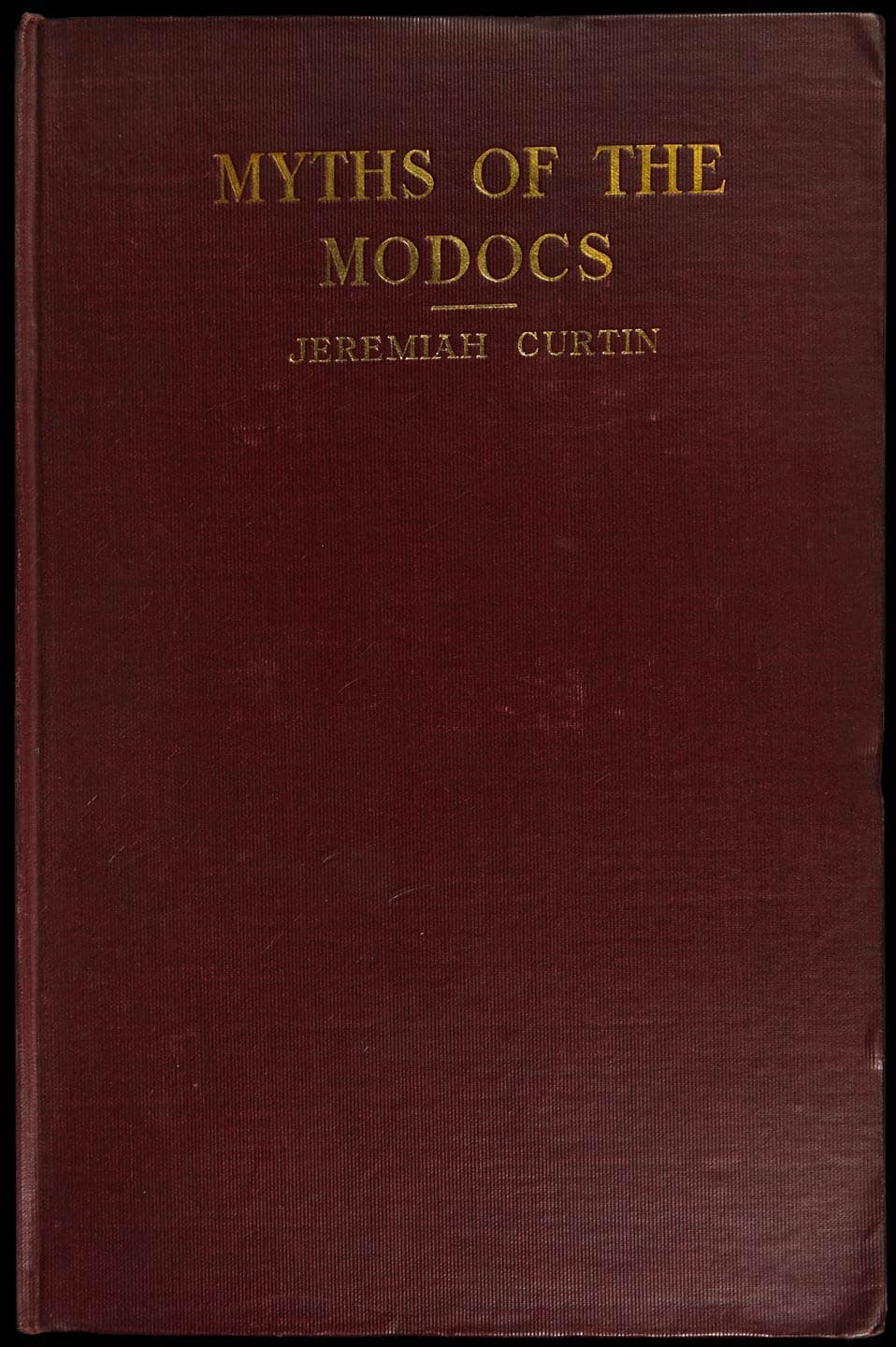
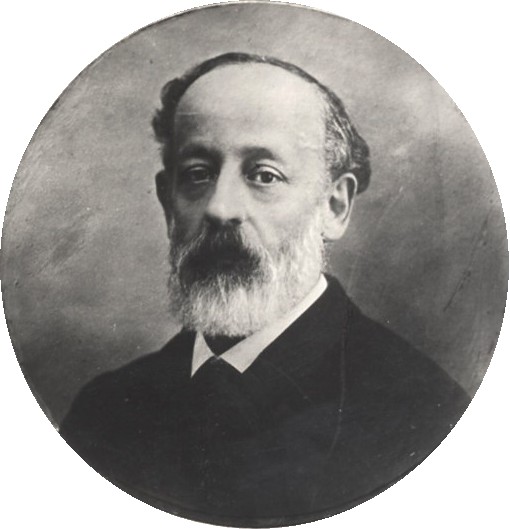
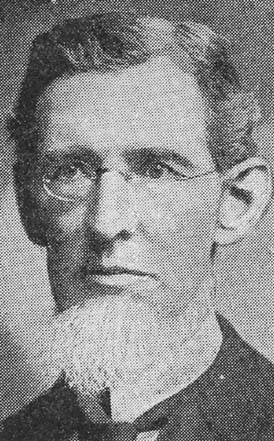
Jeremiah Curtin was an influential American ethnographer, folklorist, and translator, renowned for his extensive work in documenting the customs and mythologies of various cultures. His passion for languages led him to become conversant in several, which greatly aided his field research during his tenure at the Bureau of American Ethnology from 1883 to 1891. Alongside his wife, Alma Cardell Curtin, he traveled extensively across North America and Europe, gathering ethnological information from diverse groups, including the Modocs of the Pacific Northwest and the Buryats of Siberia. Their journeys also took them to Ireland, where they collected rich folklore from Gaelic-speaking regions, particularly in southwest Munster and the Aran Islands. Curtin's most notable contributions include his collections of Irish folktales, which were among the first accurate compilations of their kind. His work not only preserved these narratives but also influenced prominent literary figures, such as W. B. Yeats, who drew upon Curtin's collections for inspiration. Through his dedication to ethnography and folklore, Curtin played a significant role in the documentation and appreciation of cultural narratives, leaving a lasting legacy in the fields of anthropology and literature.
Famous Quotes
View all 1 quotes“corner of the Empire and touched on the Naimans. These Uigurs are famous, at least among scholars, as having been the most devoted to learning of all Turkish nations; from them it was that the Mongols received an alphabet and their earliest instruction. The Idikut, or ruler, of the Uigurs acknowledged the Gurkhan as overlord, but the yearly tribute which he paid, and the daily”
Books from the author

Link to this page
Add a free, dofollow link to Lex on your blog, forum, syllabus, or reading list.

<a href="https://lex-books.com/author/jeremiah-curtin"><img src="https://lex-books.com/badges/read-on-lex.svg" alt="Jeremiah Curtin on Lex" width="160" height="40"></a>[](https://lex-books.com/author/jeremiah-curtin)[url=https://lex-books.com/author/jeremiah-curtin][img]https://lex-books.com/badges/read-on-lex.svg[/img][/url]Jeremiah Curtin on Lex: https://lex-books.com/author/jeremiah-curtin