The Mongols in Russia
1908
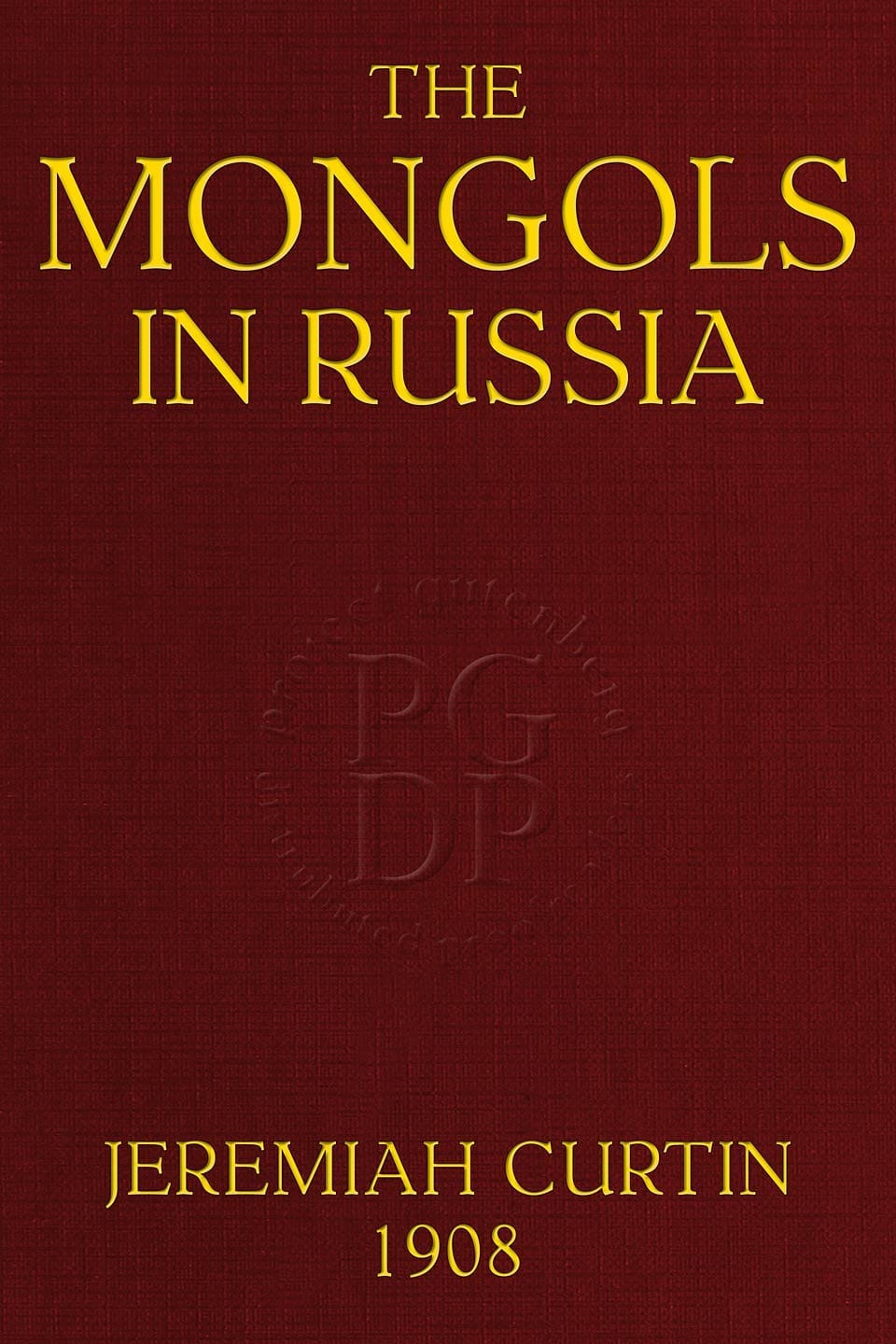
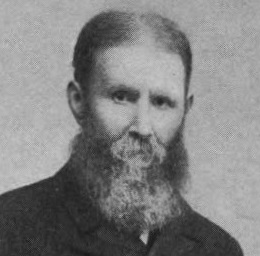
Jeremiah Curtin, the Irish-American ethnographer and linguist best known for his work on Irish mythology, turns his considerable analytical powers to one of history's most consequential conquests. Written in 1908, this volume examines the catastrophic collision between the Mongol Empire and the fragmented Russian principalities of the 13th and 14th centuries. Curtin traces the story from the Mongols' devastating sweep across Eurasia to their establishment of the Golden Horde and the capital at Sarai, through the political chaos of early Rus and the emergence of powers like Vladimir and Moscow. What makes this account distinctive is Curtin's attempt to understand Mongol civilization on its own terms, rather than merely as a force of destruction, and his careful examination of how two radically different political cultures interacted, collided, and ultimately shaped each other. The book remains valuable for its primary source research and its effort to correct the Eurocentric narratives that dominated early 20th-century historiography. For readers seeking to understand the deep foundations of Russian identity and territorial psychology, this volume offers an American scholar's perspective on the centuries that defined the Eurasian steppe's most enduring legacy.
Editions
Link to this book
Add a free, dofollow link to Lex on your blog, forum, syllabus, or reading list.

<a href="https://lex-books.com/book/the-mongols-in-russia-33b0a47f-f535-4b0b-8f78-23f29651012a"><img src="https://lex-books.com/badges/read-on-lex.svg" alt="Read The Mongols in Russia by Jeremiah Curtin free on Lex" width="160" height="40"></a>[](https://lex-books.com/book/the-mongols-in-russia-33b0a47f-f535-4b0b-8f78-23f29651012a)[url=https://lex-books.com/book/the-mongols-in-russia-33b0a47f-f535-4b0b-8f78-23f29651012a][img]https://lex-books.com/badges/read-on-lex.svg[/img][/url]Read The Mongols in Russia by Jeremiah Curtin free on Lex: https://lex-books.com/book/the-mongols-in-russia-33b0a47f-f535-4b0b-8f78-23f29651012aCite this book
Reading this edition for a paper or guide? Copy a citation.
Curtin, Jeremiah. The Mongols in Russia. Lex, lex-books.com/book/the-mongols-in-russia-33b0a47f-f535-4b0b-8f78-23f29651012a.Curtin, J. (1908). The Mongols in Russia. Lex. https://lex-books.com/book/the-mongols-in-russia-33b0a47f-f535-4b0b-8f78-23f29651012aCurtin, Jeremiah. The Mongols in Russia. Lex. https://lex-books.com/book/the-mongols-in-russia-33b0a47f-f535-4b0b-8f78-23f29651012a.