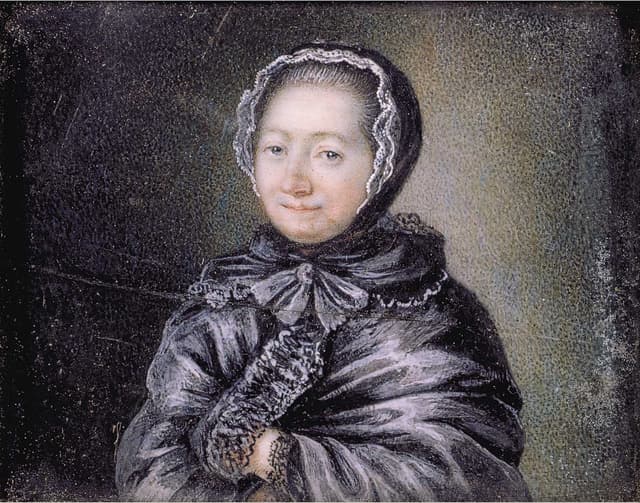
Jeanne-Marie Leprince de Beaumont
Jeanne-Marie Leprince de Beaumont was a prominent French author best known for her classic adaptation of "Beauty and the Beast," which remains one of the most beloved fairy tales. Born into a middle-class family, she received her education at a convent school, later becoming a governess in Lunéville. Her experiences as an educator deeply influenced her writing, leading her to create works that combined moral instruction with engaging narratives for young women. Beaumont's adaptation of the fairy tale was an abridged version of Gabrielle-Suzanne Barbot de Villeneuve's earlier work, and it emphasized themes of virtue and inner beauty, setting the stage for the story's enduring legacy in literature and popular culture. In addition to her contributions to fairy tales, Beaumont was an advocate for women's education and empowerment. She wrote extensively on the roles of women in society, urging them to engage in political discourse and become informed citizens. Her works often reflected her belief in the importance of literary instruction as a means for women to assert their agency. Beaumont's influence as a female writer in the 18th century is significant, as she paved the way for future generations of women authors and educators, leaving a lasting impact on children's literature and the portrayal of women in fiction.
Famous Quotes
View all 3 quotes“Yes, yes," said the Beast, "my heart is good, but still I am a monster." Among mankind," says Beauty, "there are many that deserve that name more than you, and I prefer you, just as you are, to those, who, under a human form, hide a treacherous, corrupt, and ungrateful heart.”
“There is many a monster who wears the form of a man; it is better of the two to have the heart of a man and the form of a monster.”
“Pride, anger, gluttony, and idleness are sometimes conquered, but the conversion of a malicious and envious mind is a kind of miracle.”
Books from the author




Link to this page
Add a free, dofollow link to Lex on your blog, forum, syllabus, or reading list.

<a href="https://lex-books.com/author/jeanne-marie-leprince-de-beaumont"><img src="https://lex-books.com/badges/read-on-lex.svg" alt="Jeanne-Marie Leprince de Beaumont on Lex" width="160" height="40"></a>[](https://lex-books.com/author/jeanne-marie-leprince-de-beaumont)[url=https://lex-books.com/author/jeanne-marie-leprince-de-beaumont][img]https://lex-books.com/badges/read-on-lex.svg[/img][/url]Jeanne-Marie Leprince de Beaumont on Lex: https://lex-books.com/author/jeanne-marie-leprince-de-beaumont