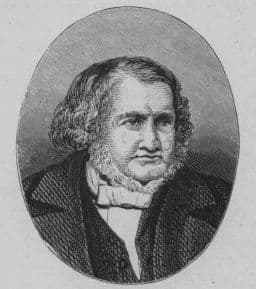
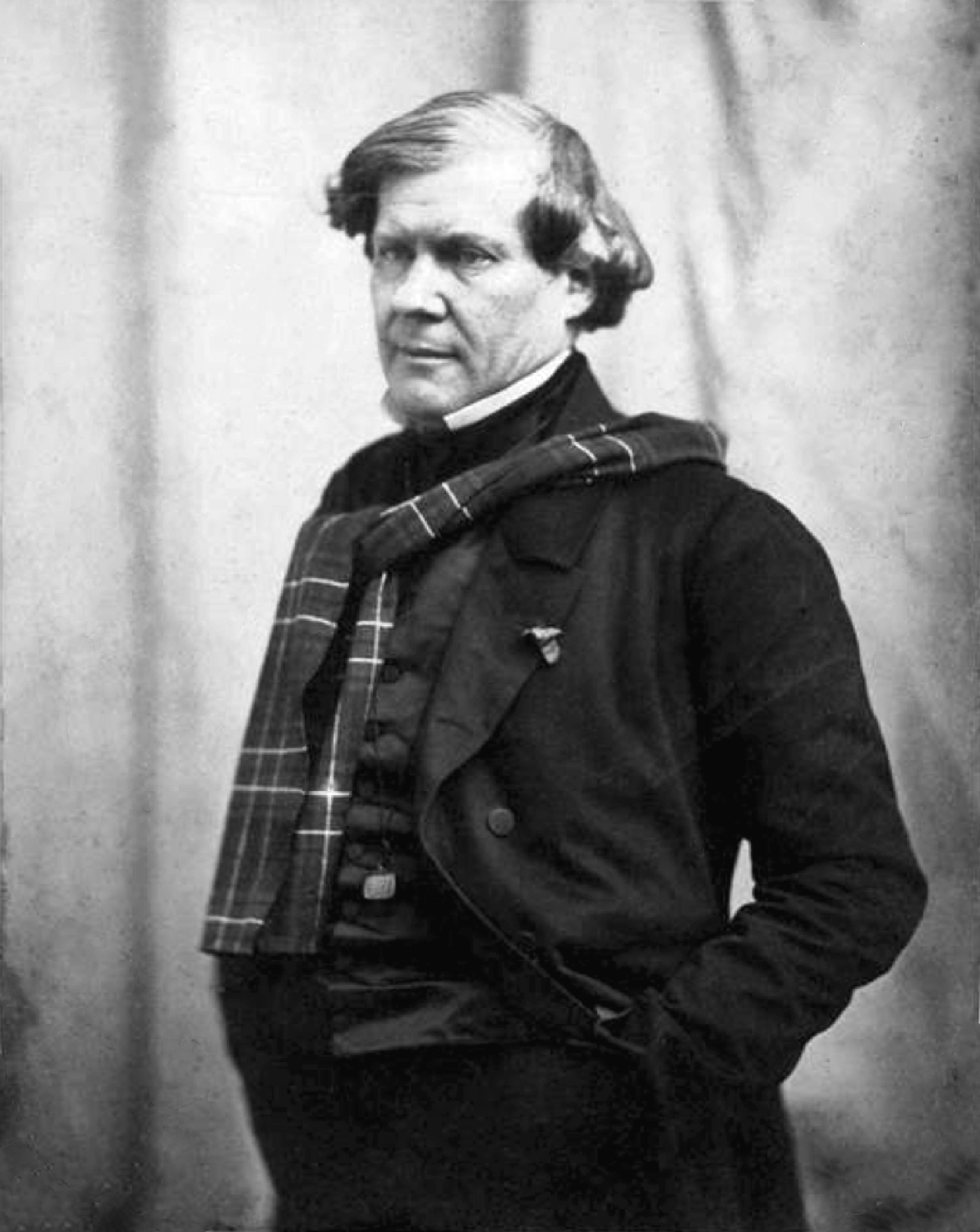
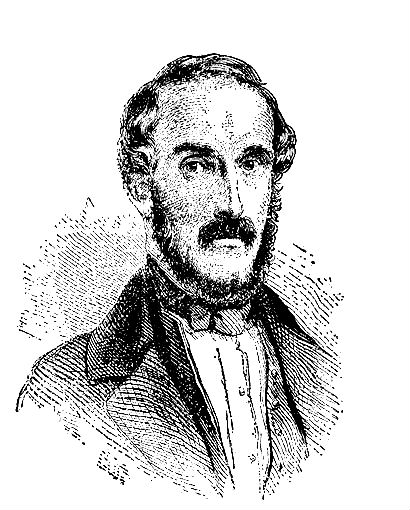
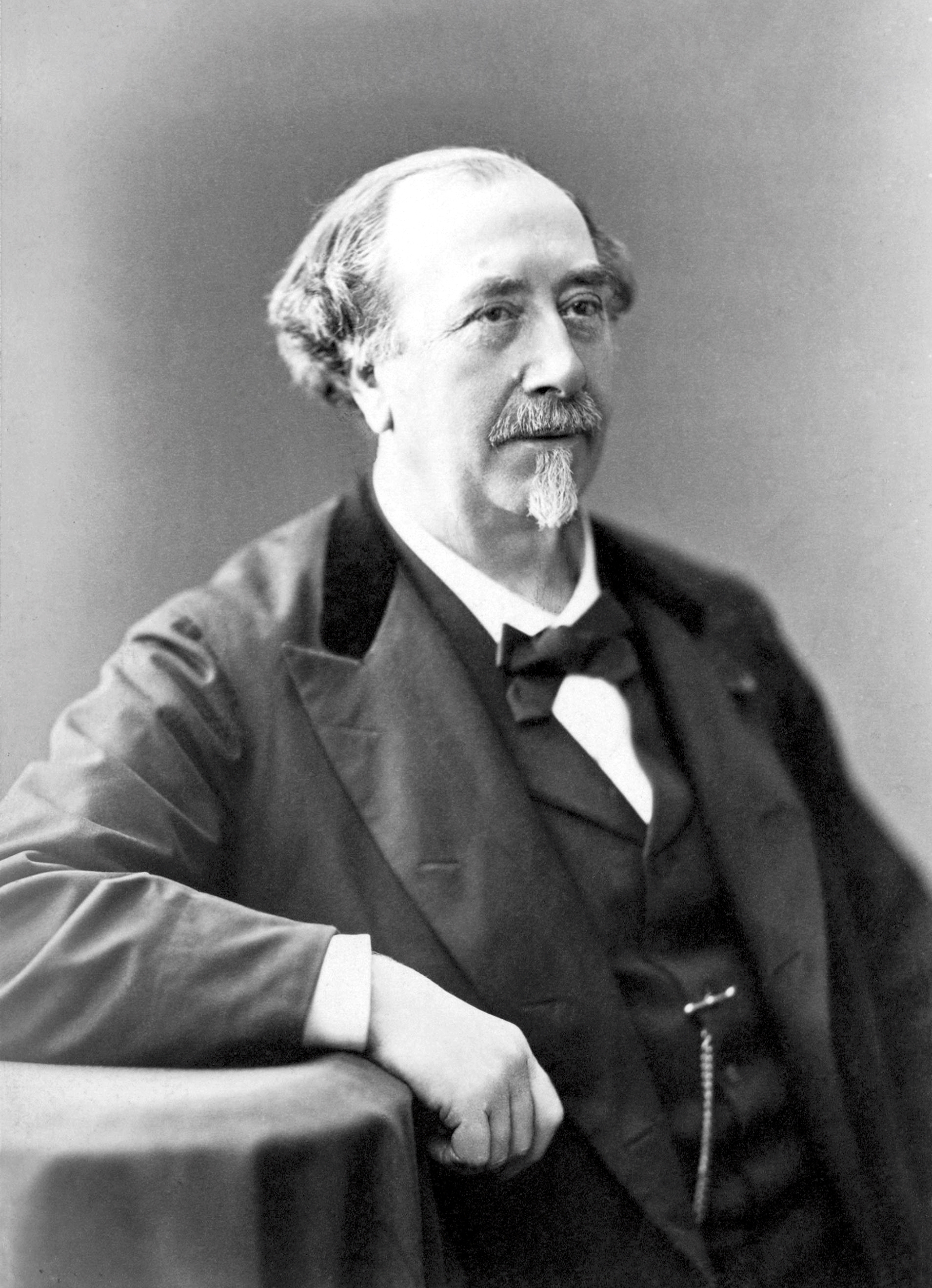
James Young Simpson
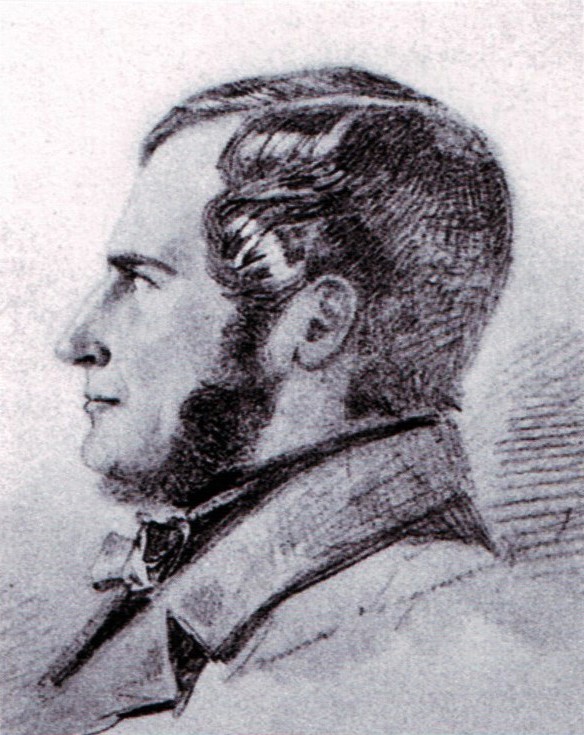
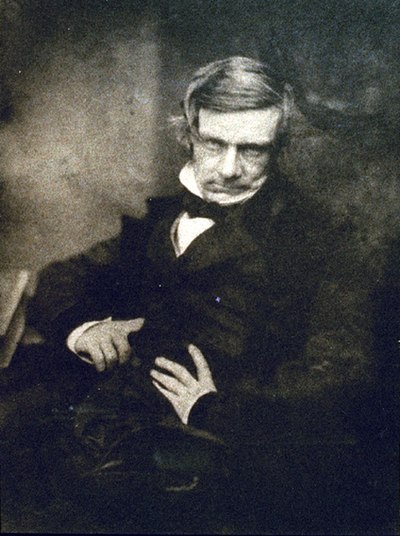
Sir James Young Simpson was a pioneering Scottish obstetrician whose groundbreaking work in anaesthesia transformed surgical practices in the 19th century. He was the first to demonstrate the anaesthetic properties of chloroform in humans, a discovery that revolutionized pain management in medicine and significantly improved the experience of childbirth. Simpson's advocacy for the use of midwives in hospitals and his contributions to the field of gynaecology marked him as a key figure in advancing women's health care. His influence extended beyond medicine; he engaged with a variety of intellectual pursuits, including archaeology and the controversial study of hermaphroditism, showcasing his broad curiosity and commitment to challenging societal norms of his time. In addition to his medical innovations, Simpson authored works such as "Homœopathy, its Tenets and Tendencies," where he critiqued the principles of homeopathy proposed by Samuel Hahnemann. His dedication to hospital reform and the establishment of gynaecology earned him recognition, culminating in a knighthood and the honor of serving as physician to Queen Victoria in Scotland. Her use of anaesthesia during childbirth further popularized its application, solidifying Simpson's legacy as a transformative figure in the history of medicine and an advocate for women's health.
Books from the author


Link to this page
Add a free, dofollow link to Lex on your blog, forum, syllabus, or reading list.

<a href="https://lex-books.com/author/james-young-simpson"><img src="https://lex-books.com/badges/read-on-lex.svg" alt="James Young Simpson on Lex" width="160" height="40"></a>[](https://lex-books.com/author/james-young-simpson)[url=https://lex-books.com/author/james-young-simpson][img]https://lex-books.com/badges/read-on-lex.svg[/img][/url]James Young Simpson on Lex: https://lex-books.com/author/james-young-simpson