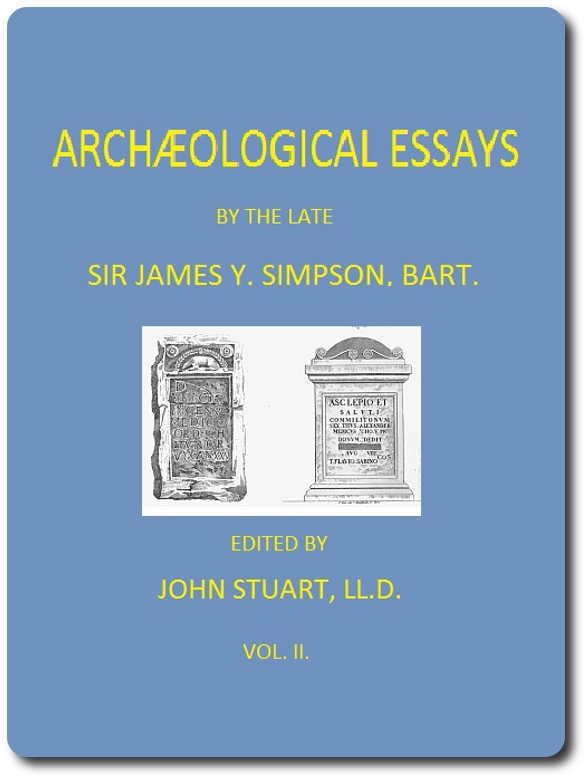
Archæological Essays, Vol. 2
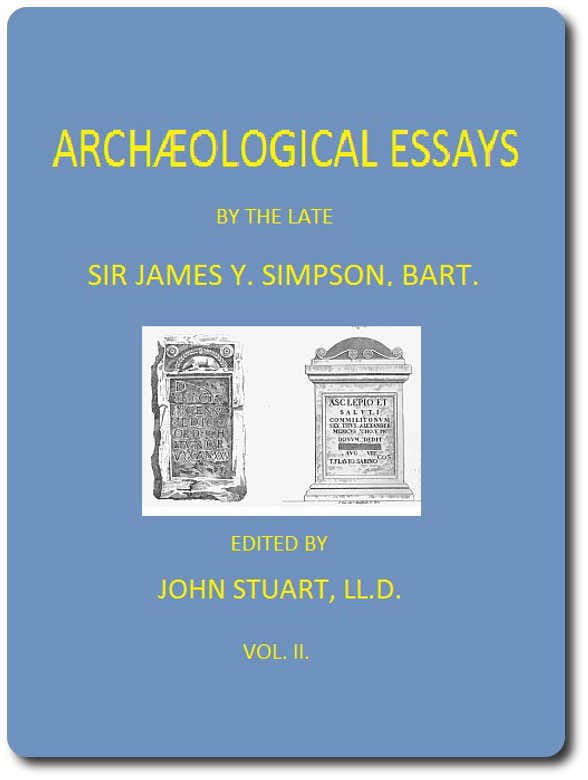
Archæological Essays, Vol. 2
A collection of scholarly essays written in the late 19th century. This volume specifically addresses various historical and medical topics, with much emphasis on the study of ancient diseases, particularly leprosy, and its implications in Scotland and England. The essays are a contribution to the field of archaeology and medical history, reflecting a rigorous academic approach to understanding the past. The opening of this volume introduces the complex and intriguing history of leprosy, examining its prevalence in medieval Europe and the institutions that were established to manage the afflicted. Simpson notes the dramatic changes in understanding and treatment of the disease throughout history, including the establishment of leper hospitals and the legislative measures taken to segregate those infected. The text highlights several specific Scottish leper hospitals, detailing their foundings and the social implications of leprosy during that time, setting the stage for a more in-depth exploration of the disease in subsequent sections of the work.
Editions
X-Ray
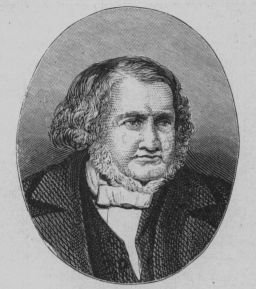
The late Scottish physician and antiquarian who authored these archaeological essays. A distinguished medical practitioner who served as one of Her Majesty's Physicians for Scotland and Professor of Medicine and Midwifery at the University of Edinburgh.
LL.D., Secretary of the Society of Antiquaries of Scotland who edited Simpson's archaeological essays after his death. A scholarly figure responsible for preserving and presenting Simpson's research.
LL.D. who provided additional notes to supplement Simpson's work on leprosy and leper hospitals. A scholarly contributor who added valuable historical context.
About Archæological Essays, Vol. 2
Chapter Summaries
- I
- Simpson provides a comprehensive study of leprosy in medieval Britain, documenting the existence of leper hospitals, examining the nature of the disease, and analyzing the social and medical responses to it. He traces the disease from its appearance to its eventual disappearance, using historical records and archaeological evidence.
- II
- This chapter examines ancient Greek medical vessels used to contain Lykion, an Indian eye medicine. Simpson describes four ancient vases with Greek inscriptions and discusses the continued use of this drug in modern India, connecting ancient and contemporary medical practices.
- III
- Simpson investigates whether Roman armies had organized medical services, examining inscriptions and historical evidence. He presents monumental tablets and inscriptions that prove the existence of military physicians and medical staff in Roman legions and cohorts.
Key Themes
- Medical History and Evolution
- Simpson explores how diseases like leprosy appeared, spread, and disappeared over centuries, demonstrating the changing nature of medical conditions and their social impact throughout history.
- Archaeological Evidence and Historical Truth
- The work emphasizes the importance of physical archaeological evidence in understanding the past, using artifacts like medicine stamps and hospital ruins to reconstruct historical medical practices.
- Social Attitudes Toward Disease
- The essays examine how society treated those afflicted with diseases like leprosy, revealing attitudes of fear, segregation, and religious interpretation of illness in medieval times.
Characters
- Sir James Y. Simpson(protagonist)
- The late Scottish physician and antiquarian who authored these archaeological essays. A distinguished medical practitioner who served as one of Her Majesty's Physicians for Scotland and Professor of Medicine and Midwifery at the University of Edinburgh.
- John Stuart(major)
- LL.D., Secretary of the Society of Antiquaries of Scotland who edited Simpson's archaeological essays after his death. A scholarly figure responsible for preserving and presenting Simpson's research.
- Joseph Robertson(minor)
- LL.D. who provided additional notes to supplement Simpson's work on leprosy and leper hospitals. A scholarly contributor who added valuable historical context.
Link to this book
Add a free, dofollow link to Lex on your blog, forum, syllabus, or reading list.

<a href="https://lex-books.com/book/arch-ological-essays-vol-2-abd2e56f-e13d-4051-8471-05adc0588336"><img src="https://lex-books.com/badges/read-on-lex.svg" alt="Read Archæological Essays, Vol. 2 by James Young Simpson free on Lex" width="160" height="40"></a>[](https://lex-books.com/book/arch-ological-essays-vol-2-abd2e56f-e13d-4051-8471-05adc0588336)[url=https://lex-books.com/book/arch-ological-essays-vol-2-abd2e56f-e13d-4051-8471-05adc0588336][img]https://lex-books.com/badges/read-on-lex.svg[/img][/url]Read Archæological Essays, Vol. 2 by James Young Simpson free on Lex: https://lex-books.com/book/arch-ological-essays-vol-2-abd2e56f-e13d-4051-8471-05adc0588336Cite this book
Reading this edition for a paper or guide? Copy a citation.
Simpson, James Young. Archæological Essays, Vol. 2. Lex, lex-books.com/book/arch-ological-essays-vol-2-abd2e56f-e13d-4051-8471-05adc0588336.Simpson, J. Y. (n.d.). Archæological Essays, Vol. 2. Lex. https://lex-books.com/book/arch-ological-essays-vol-2-abd2e56f-e13d-4051-8471-05adc0588336Simpson, James Young. Archæological Essays, Vol. 2. Lex. https://lex-books.com/book/arch-ological-essays-vol-2-abd2e56f-e13d-4051-8471-05adc0588336.