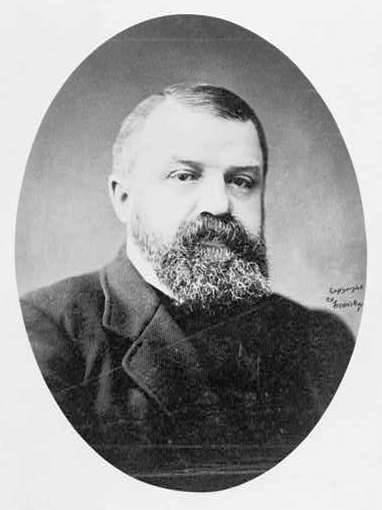
J. H. Hill
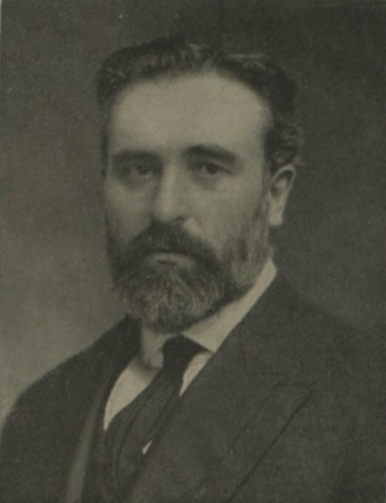
James Morgan Walsh was an Australian writer of crime stories.
Famous Quotes
View all 2 quotes“Personal power is acquired through a combination of individual traits and habits. Briefly, the ten qualities of personal power (which I call the ten-point rule of personal power) are these: (a) The habit of definiteness of purpose (b) Promptness of decision (c) Soundness of character (intentional honesty) (d) Strict discipline over one’s emotions (e) Obsessional desire to render useful service (f) Thorough knowledge of one’s occupation (g) Tolerance on all subjects (h) Loyalty to one’s personal associates and faith in a Supreme Being (i) Enduring thirst for knowledge (j) Alertness of imagination””
“In their book Modern Persuasion Strategies: The Hidden Advantage in Selling, Donald J. Moine and John H. Herd refer to “pacing,” by which they mean revealing your own personality traits that are similar to those exhibited by a person you are trying to influence. Pacing, they say, is “a sophisticated form of matching or mirroring key aspects of another’s behavioral preferences.” What Donald Moine and John Herd suggest is not a contrived sort of cozying-up that most of us automatically find distasteful, but rather a genuine form of identifying with another and stepping into stride with that person. Some people do it naturally while others have to work at it, but the net result is the same. “You are pacing,” the authors say, “when the prospect gets the feeling that you and he (or she) think alike and look at problems in similar ways. When this happens, the prospect identifies with you and finds it easy and natural to agree with you. You seem like emotional twins. Pacing works, because like attracts like.””
Books from the author





Link to this page
Add a free, dofollow link to Lex on your blog, forum, syllabus, or reading list.

<a href="https://lex-books.com/author/j-h-hill"><img src="https://lex-books.com/badges/read-on-lex.svg" alt="J. H. Hill on Lex" width="160" height="40"></a>[](https://lex-books.com/author/j-h-hill)[url=https://lex-books.com/author/j-h-hill][img]https://lex-books.com/badges/read-on-lex.svg[/img][/url]J. H. Hill on Lex: https://lex-books.com/author/j-h-hill