
Hervey Allen
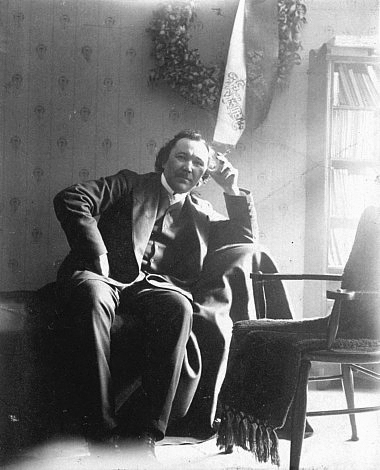
William Hervey Allen Jr. was an American educator, poet, and novelist whose literary contributions significantly shaped the historical fiction genre. He is best known for his sweeping novel, "Anthony Adverse," published in 1933, which garnered critical acclaim and was later adapted into a film in 1936. This work is often regarded as a precursor to the modern American historical novel, blending rich character development with intricate historical detail, and setting a standard for future authors in the genre. Beyond "Anthony Adverse," Allen's literary output included poetry and other novels, but it was his ability to weave compelling narratives that left a lasting impact on American literature. His exploration of themes such as identity, morality, and the human experience resonated with readers and critics alike, establishing him as a significant figure in early 20th-century literature. Allen's legacy endures through his contributions to historical fiction, influencing subsequent generations of writers who sought to capture the complexities of the past through engaging storytelling.
Famous Quotes
View all 2 quotes“Religions change; beer and wine remain.”
“If Poe haunted her grave at night as tradition asserts, the nature of his experiences in a dark cemetery with the sound of the night wind through the funereal gratings and tall grave grasses must have been searing to the soul of one who was scarcely more than a boy.”
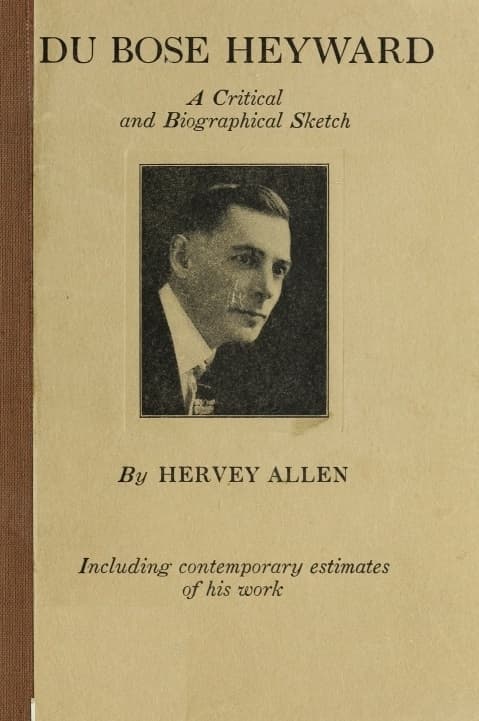
Books from the author






Link to this page
Add a free, dofollow link to Lex on your blog, forum, syllabus, or reading list.

<a href="https://lex-books.com/author/hervey-allen"><img src="https://lex-books.com/badges/read-on-lex.svg" alt="Hervey Allen on Lex" width="160" height="40"></a>[](https://lex-books.com/author/hervey-allen)[url=https://lex-books.com/author/hervey-allen][img]https://lex-books.com/badges/read-on-lex.svg[/img][/url]Hervey Allen on Lex: https://lex-books.com/author/hervey-allen