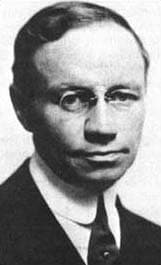
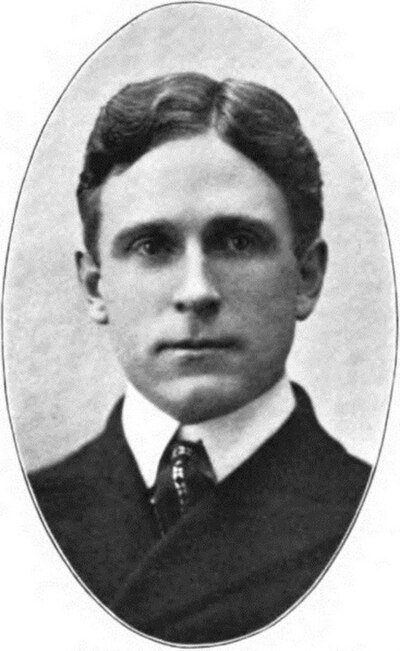
Herbert David Croly
Herbert David Croly was a prominent intellectual leader of the early twentieth-century progressive movement in America, known for his role as an editor, political philosopher, and co-founder of the influential magazine The New Republic. His political philosophy, which sought to blend the constitutional liberalism of Alexander Hamilton with the radical democracy of Thomas Jefferson, had a significant impact on many leading progressives, including Theodore Roosevelt and Felix Frankfurter. In his seminal work, The Promise of American Life, published in 1909, Croly articulated a vision for a strong federal government that could effectively address the challenges of modern society, advocating for a robust national defense and critiquing pacifist ideologies that he believed undermined democracy both at home and abroad. In 1914, Croly further developed his ideas in Progressive Democracy, where he challenged the notion that American liberalism was incompatible with anti-capitalist alternatives. He argued for a reclamation of the progressive tradition that recognized wage labor as a diminished form of liberty, advocating for syndicalist reforms that would promote workplace democracy. Despite facing criticism for his apparent contradictions, such as his support for trusts alongside his syndicalist views, Croly's contributions laid the groundwork for modern liberalism in the United States. His writings and editorial work not only shaped the discourse of his time but also left a lasting legacy on American political thought, influencing generations of thinkers and policymakers.
Famous Quotes
View all 1 quotes“Political democracy is impoverished and sterile as soon as it becomes divorced from a social program.”
Books from the author




Link to this page
Add a free, dofollow link to Lex on your blog, forum, syllabus, or reading list.

<a href="https://lex-books.com/author/herbert-david-croly"><img src="https://lex-books.com/badges/read-on-lex.svg" alt="Herbert David Croly on Lex" width="160" height="40"></a>[](https://lex-books.com/author/herbert-david-croly)[url=https://lex-books.com/author/herbert-david-croly][img]https://lex-books.com/badges/read-on-lex.svg[/img][/url]Herbert David Croly on Lex: https://lex-books.com/author/herbert-david-croly