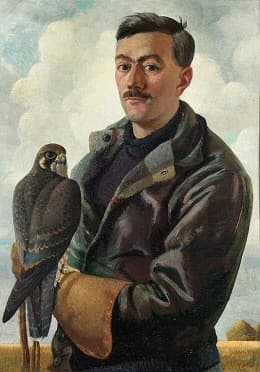
Henry Williamson
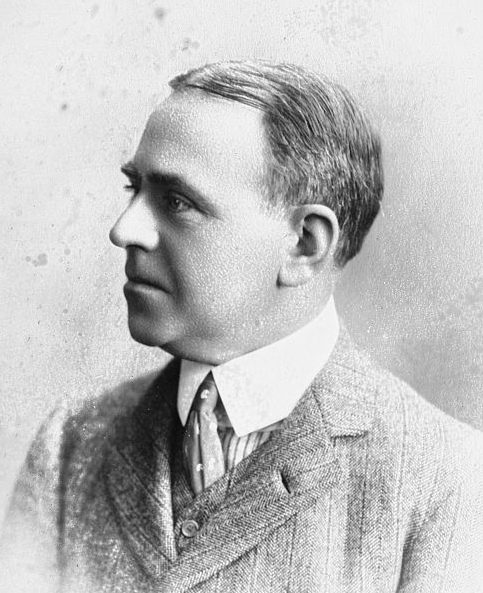
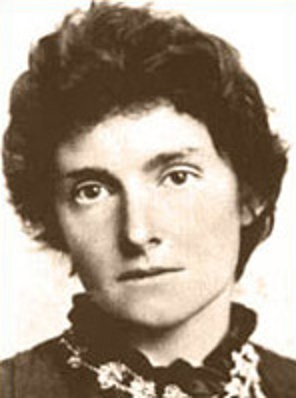
Henry Williamson was an English novelist renowned for his profound exploration of wildlife and rural life, as well as his reflections on English social history and the impact of war. Born in London and raised in a semi-rural environment, Williamson developed a deep appreciation for nature, which became a central theme in his writing. His most celebrated work, 'Tarka the Otter,' published in 1927, earned him the Hawthornden Prize in 1928 and is often regarded as a seminal piece of nature writing that captures the essence of the English countryside through the life of an otter. Williamson's experiences as a soldier during the First World War significantly influenced his worldview, leading him from pacifism to controversial fascist sympathies later in life. After the Second World War, he settled in Devon, where he embraced farming alongside his literary pursuits, producing numerous other works that continued to reflect his fascination with nature and ruralism. His legacy is marked by his unique voice in English literature, blending personal experience with broader social themes, and his contributions to the genre of nature writing remain influential to this day.
Famous Quotes
View all 3 quotes“Whatv is this life, if, full of care, we have no time to stand and stare?”
“For within himself, be he clairvoyant and articulate, he will find latent the divisions of the mind of European man, and their opposing impulses.”
“When the bees’ feet shake the bells of the heather, and the ruddy strings of the sap-stealing dodder are twined about the green spikes of the furze, it is summertime on the commons. Exmoor is the high country of the winds, which are to the falcons and the hawks: clothed by whortleberry bushes and lichens and ferns and mossed trees in the goyals, which are to the foxes, the badgers, and the red deer: served by rain-clouds and drained by rock-littered streams, which are to the otters.”
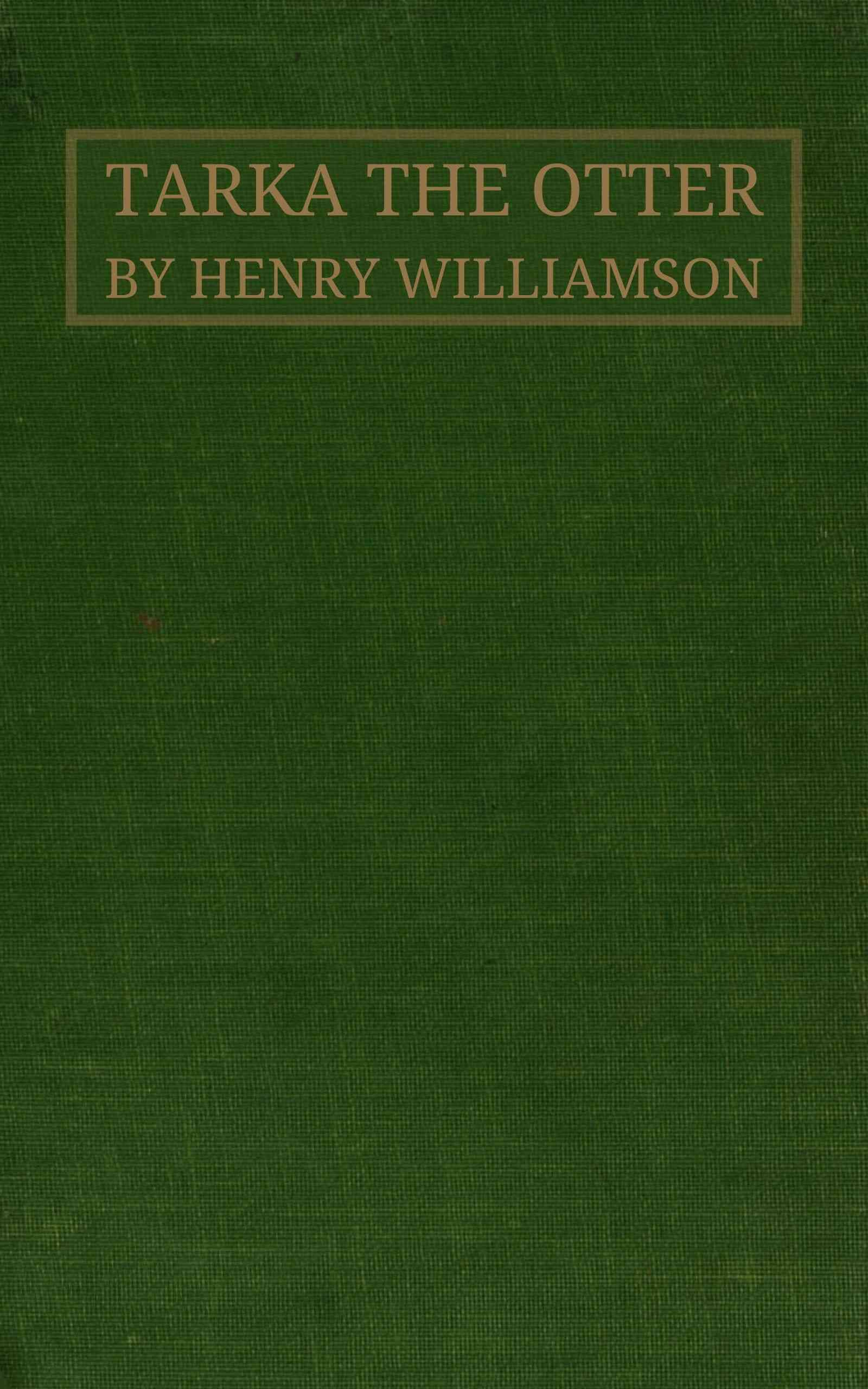
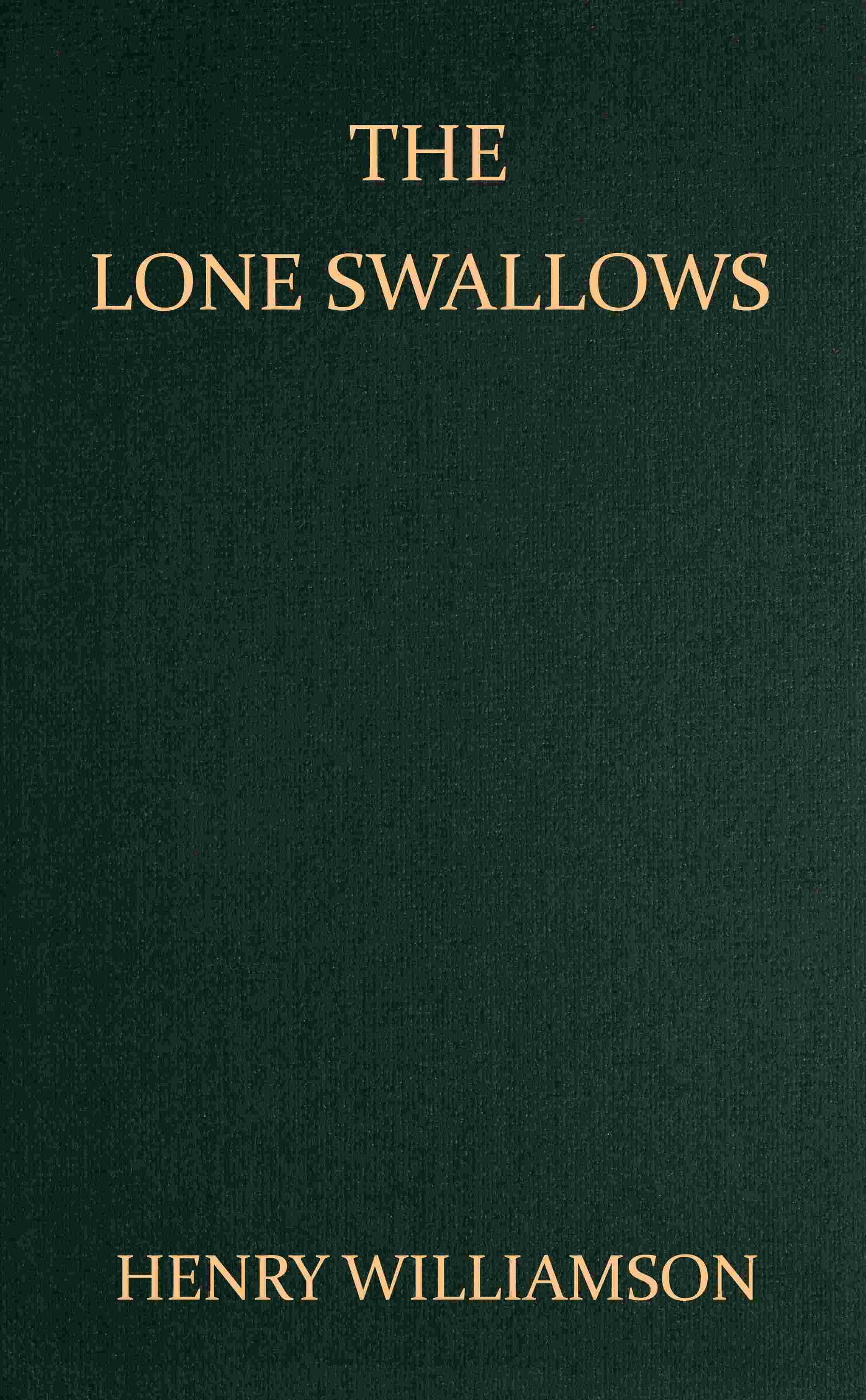
Books from the author

Link to this page
Add a free, dofollow link to Lex on your blog, forum, syllabus, or reading list.

<a href="https://lex-books.com/author/henry-williamson"><img src="https://lex-books.com/badges/read-on-lex.svg" alt="Henry Williamson on Lex" width="160" height="40"></a>[](https://lex-books.com/author/henry-williamson)[url=https://lex-books.com/author/henry-williamson][img]https://lex-books.com/badges/read-on-lex.svg[/img][/url]Henry Williamson on Lex: https://lex-books.com/author/henry-williamson