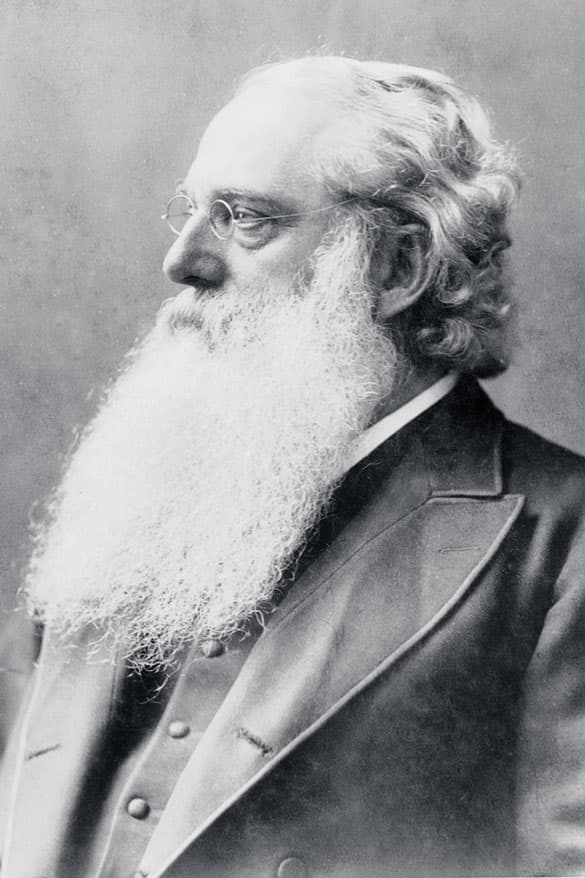
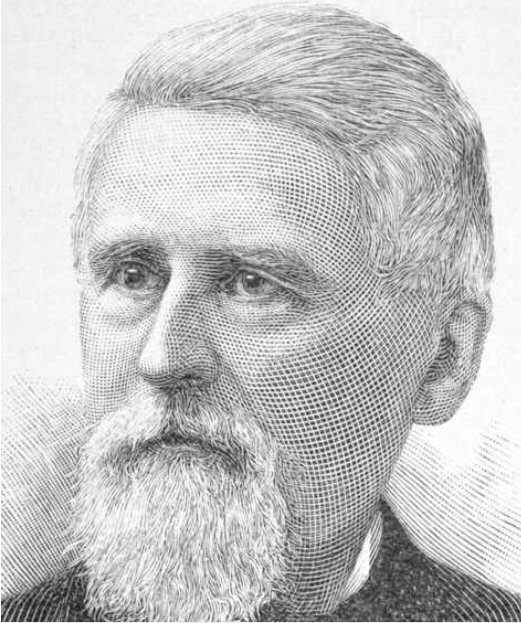
Henry Steel Olcott
Colonel Henry Steel Olcott was an American military officer, journalist, and lawyer who played a pivotal role in the revival of Buddhism in the late 19th century. As the co-founder and first president of the Theosophical Society, he was instrumental in promoting a modern interpretation of Buddhism, making it accessible to a Western audience. Olcott's formal conversion to Buddhism marked him as the first prominent American of European descent to embrace the faith, which significantly influenced the perception and study of Buddhism in the West. His efforts in Sri Lanka, where he became a key figure in the Buddhist revival movement, earned him lasting respect and recognition, particularly for his work in education and social reform within the Buddhist community. Olcott's legacy is particularly notable for his role in establishing the Theosophical Society as a platform for the exchange of Eastern and Western philosophies. His writings and lectures emphasized the importance of understanding Buddhism through a modern lens, which contributed to a broader appreciation of Eastern religions in the West. He is remembered in Sri Lanka as a champion of Buddhist education and reform, and his contributions continue to be celebrated, reflecting his enduring impact on both Buddhism and interfaith dialogue. His life and work exemplified a unique blend of spirituality and social activism, making him a significant figure in the history of religious thought and practice.
Famous Quotes
View all 3 quotes“A profound impression was created by the discourses of Professor GN Chakravarti and Mrs Besant, who is said to have risen to unusual heights of eloquence, so exhilarating were the influences of the gathering. Besides those who represented our society and religions, especially Vivekananda, VR Gandhi, Dharmapala, captivated the public, who had only heard of Indian people through the malicious reports of interested missionaries, and were now astounded to see before them and hear men who represented the ideal of spirituality and human perfectibility as taught in their respective sacred writings.”
“Eternal Rest. If I have the temerity to prefer my own definition of the spirit of Buḍḍha's doctrine, it is because I think that all the misconceptions of it have arisen from a failure to understand his idea of what is real and what is unreal, what worth longing and striving for and what not. From this misconception have come all the unfounded charges that Buḍḍhism is an "atheistical," that is to say, a grossly materialistic, a nihilistic, a negative, a vice-breeding religion. Buḍḍhism denies the existence of a personal God—true: therefore—well, therefore, and notwithstanding all this, its teaching is neither what may be called properly atheistical, nihilistic, negative, nor provocative of vice. I will try to make my meaning clear, and the advancement of modern scientific research helps in this direction. Science divides the universe for us into two elements—matter and force;”
“Everything in the world of Matter is unreal; the only reality is in the world of Spirit.”
Books from the author



Link to this page
Add a free, dofollow link to Lex on your blog, forum, syllabus, or reading list.

<a href="https://lex-books.com/author/henry-steel-olcott"><img src="https://lex-books.com/badges/read-on-lex.svg" alt="Henry Steel Olcott on Lex" width="160" height="40"></a>[](https://lex-books.com/author/henry-steel-olcott)[url=https://lex-books.com/author/henry-steel-olcott][img]https://lex-books.com/badges/read-on-lex.svg[/img][/url]Henry Steel Olcott on Lex: https://lex-books.com/author/henry-steel-olcott