Lex

Browse

GenresShelvesPremiumBlog

Company

AboutJobsPartnersSell on LexAffiliates

Resources

DocsInvite FriendsFAQ

Legal

Terms of ServicePrivacy Policygeneral@lex-books.com(215) 703-8277

© 2026 LexBooks, Inc. All rights reserved.

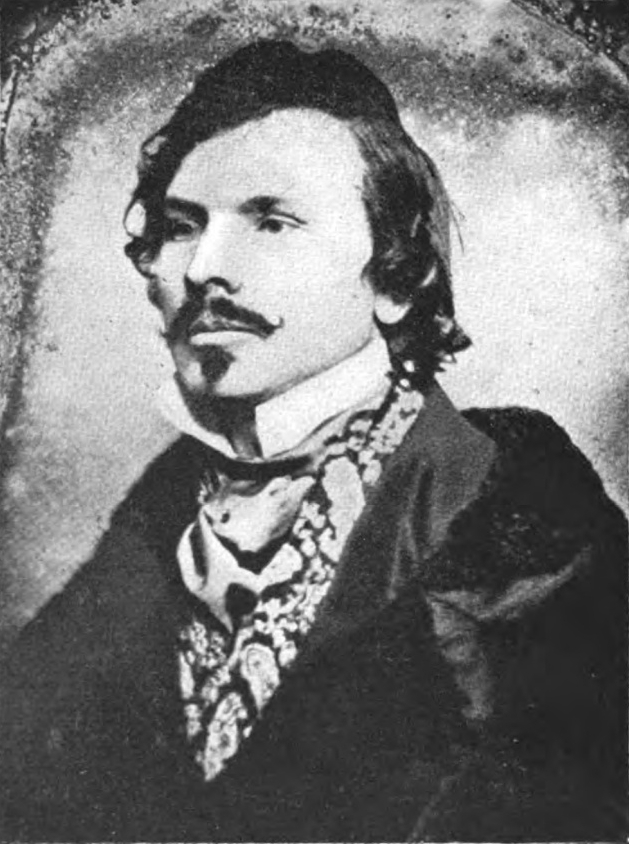
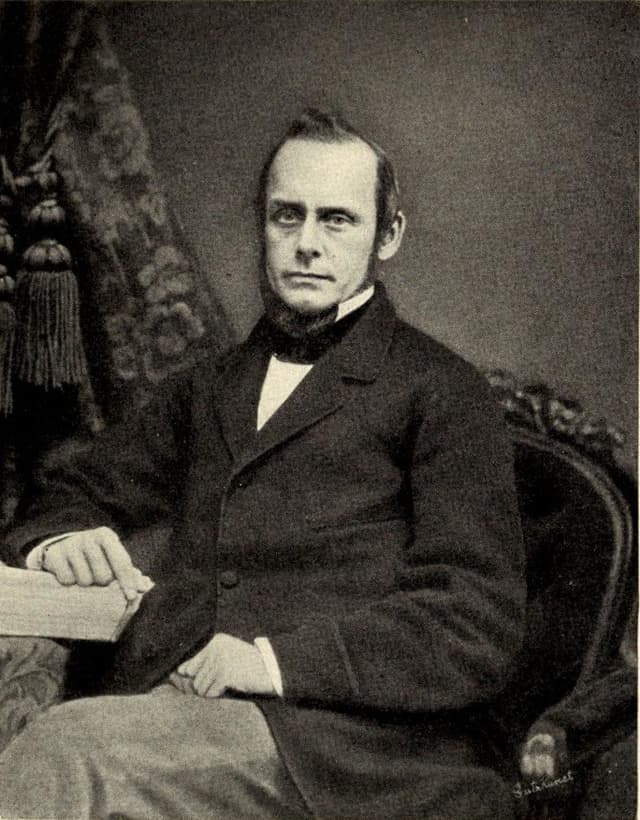
Henry Peterson

Henry Peterson

Famous Quotes

View all 4 quotes

“The phenomenon of the "creative ilness", described in detail by Henri Ellenberger, in his massive study of the history of the unconsious, is alive and well in our own culture. Ellenberger described its characteristic elements:A creative illness succeeds a period of intense preoccupation with an idea and search for a certain truth. It is a polymorphous condition that can take the shape of depression, neurosis, psychomatic ailments, or even psychosis. Whatever the symptoms, they are felt as painful, if not agonizing by the subject, with alternating periods of allevation and worsening. Throughout the illness the subject never loses the thread of his dominating preoccupation. It is often compatible with normal, professional activity and family life. But even if he keeps to his social activities, he is almost entirely absorbed with himself. He suffers from feelings of utter isolation, even when he has a mentor who guides him through the ordeal (like the shaman apprentice with his master). The termination is often rapid and marked by a phase of exhilaration. The subject emerges from his ordeal with a permanent transformation in his personality and the conviction that he has discovered a great truth or a new spiritual world.””

Maps of Meaning: The Architecture of Belief

“Just like that, in a room full of family and friends and footmen, Henry and Caroline were alone, her voice low, his lower, as they grinned at one another. Was he imagining her burn, the same burn that coursed in the space between his blood and his bones? She couldn’t like him, or feel for him the things he did for her. He’d left her, he was maimed, a cripple, scarred on both sides of his skin. Why did he even try?Because of the way she was looking at him, now. He wanted to reach out and touch her face, hold her chin in his palm.””

The Undercover Scoundrel

“Randolph, having provoked the challenge, could not decline it. As much as he hated Clay’s politics he had a sneaking admiration for him personally”

The Great Triumvirate: Webster, Clay, and Calhoun

“The phenomenon of the "creative ilness", described in detail by Henri Ellenberger, in his massive study of the history of the unconsious, is alive and well in our own culture. Ellenberger described its characteristic elements:A creative illness succeeds a period of intense preoccupation with an idea and search for a certain truth. It is a polymorphous condition that can take the shape of depression, neurosis, psychomatic ailments, or even psychosis. Whatever the symptoms, they are felt as painful, if not agonizing by the subject, with alternating periods of allevation and worsening. Throughout the illness the subject never loses the thread of his dominating preoccupation. It is often compatible with normal, professional activity and family life. But even if he keeps to his social activities, he is almost entirely absorbed with himself. He suffers from feelings of utter isolation, even when he has a mentor who guides him through the ordeal (like the shaman apprentice with his master). The termination is often rapid and marked by a phase of exhilaration. The subject emerges from his ordeal with a permanent transformation in his personality and the conviction that he has discovered a great truth or a new spiritual world.””

Maps of Meaning: The Architecture of Belief

“Just like that, in a room full of family and friends and footmen, Henry and Caroline were alone, her voice low, his lower, as they grinned at one another. Was he imagining her burn, the same burn that coursed in the space between his blood and his bones? She couldn’t like him, or feel for him the things he did for her. He’d left her, he was maimed, a cripple, scarred on both sides of his skin. Why did he even try?Because of the way she was looking at him, now. He wanted to reach out and touch her face, hold her chin in his palm.””

The Undercover Scoundrel

“Randolph, having provoked the challenge, could not decline it. As much as he hated Clay’s politics he had a sneaking admiration for him personally”

The Great Triumvirate: Webster, Clay, and Calhoun

Books from the author

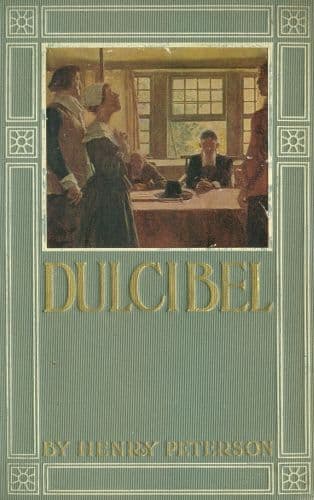
Dulcibel: ATale of OldSalem

Henry Peterson

Dulcibel: A Tale of Old Salem

More authors like this

right arrow
Emma Dorothy Eliza Nevitte Southworth
1819-1899
Mary Jane Holmes
Mary Jane Holmes
1825-1907
Ann S. Stephens
Ann S. Stephens
1810-1886
Edward Payson Roe
Edward Payson Roe
1838-1888
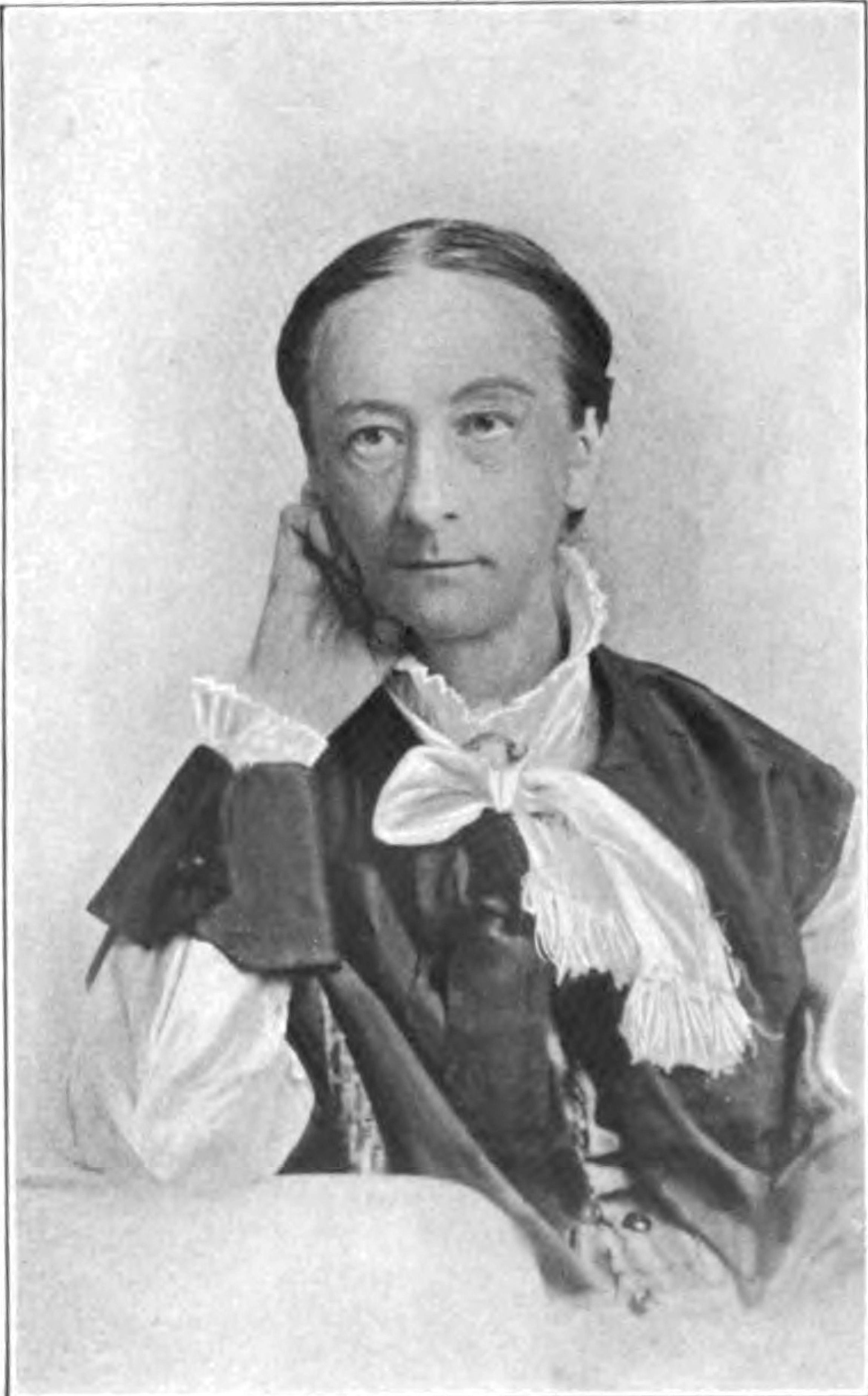
Mary Hartwell Catherwood
1847-1902
Mayne Reid
Mayne Reid
1818-1883
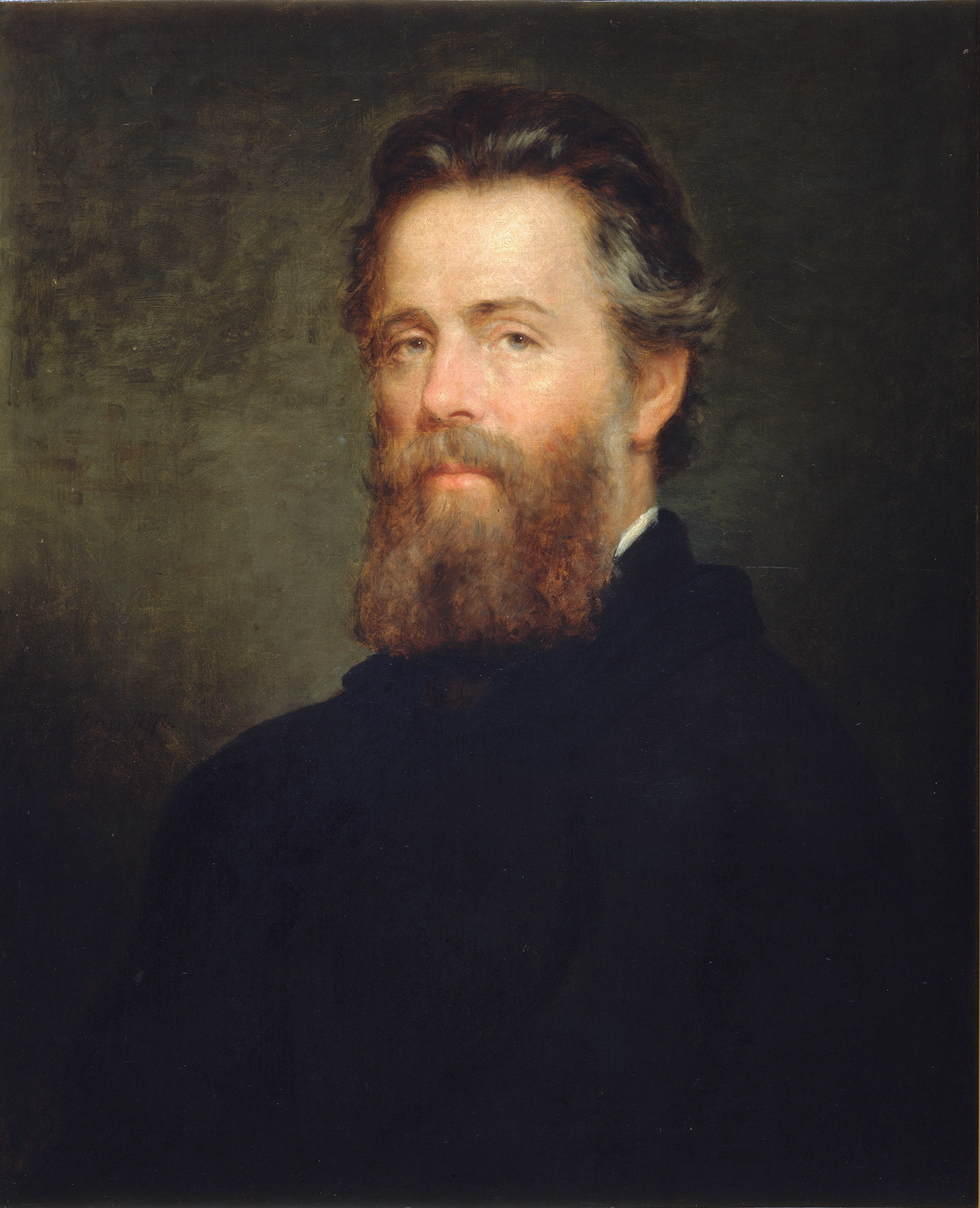
Herman Melville
Herman Melville
1819-1891
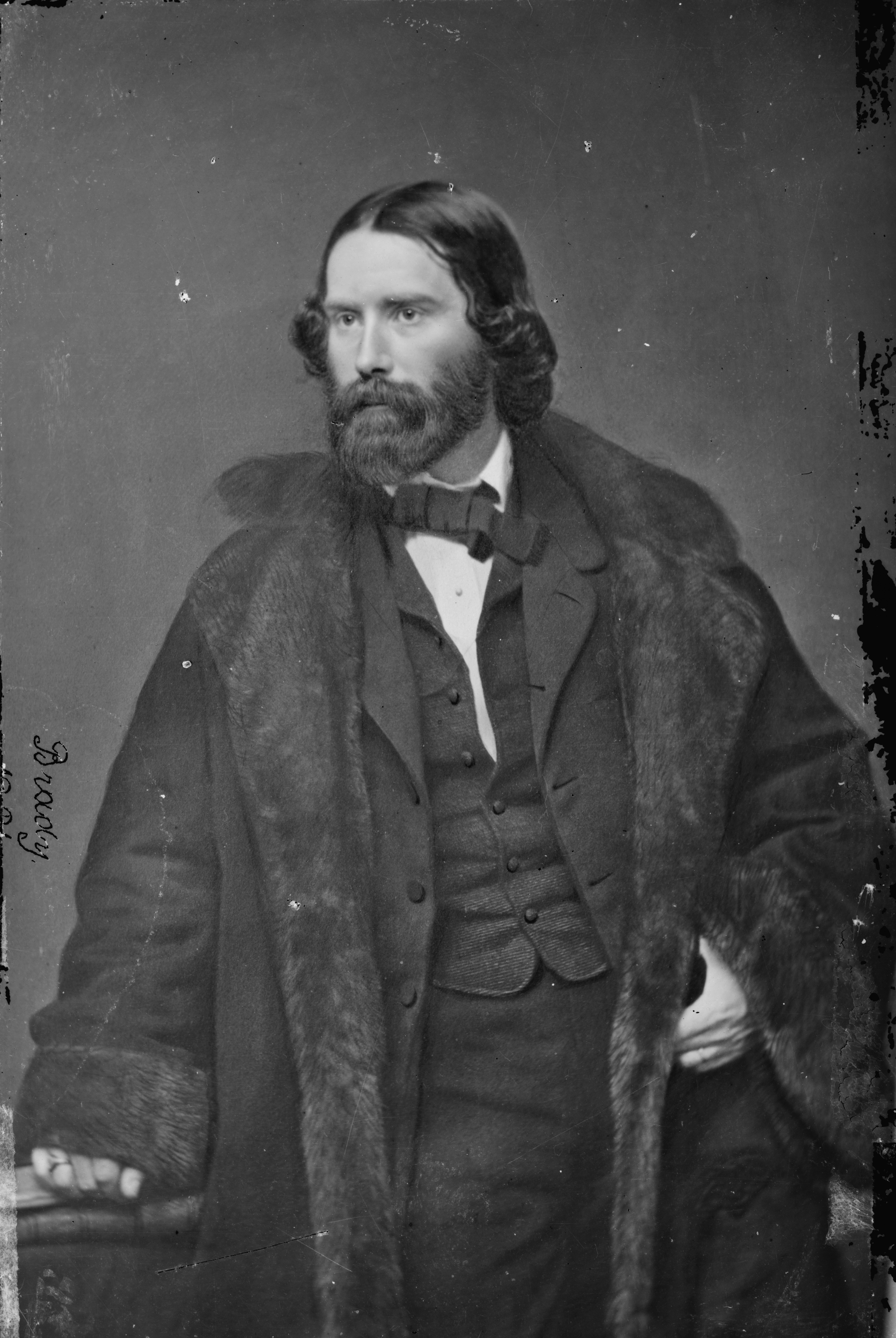
James Russell Lowell
1819-1891
Susan Warner
Susan Warner
1819-1885
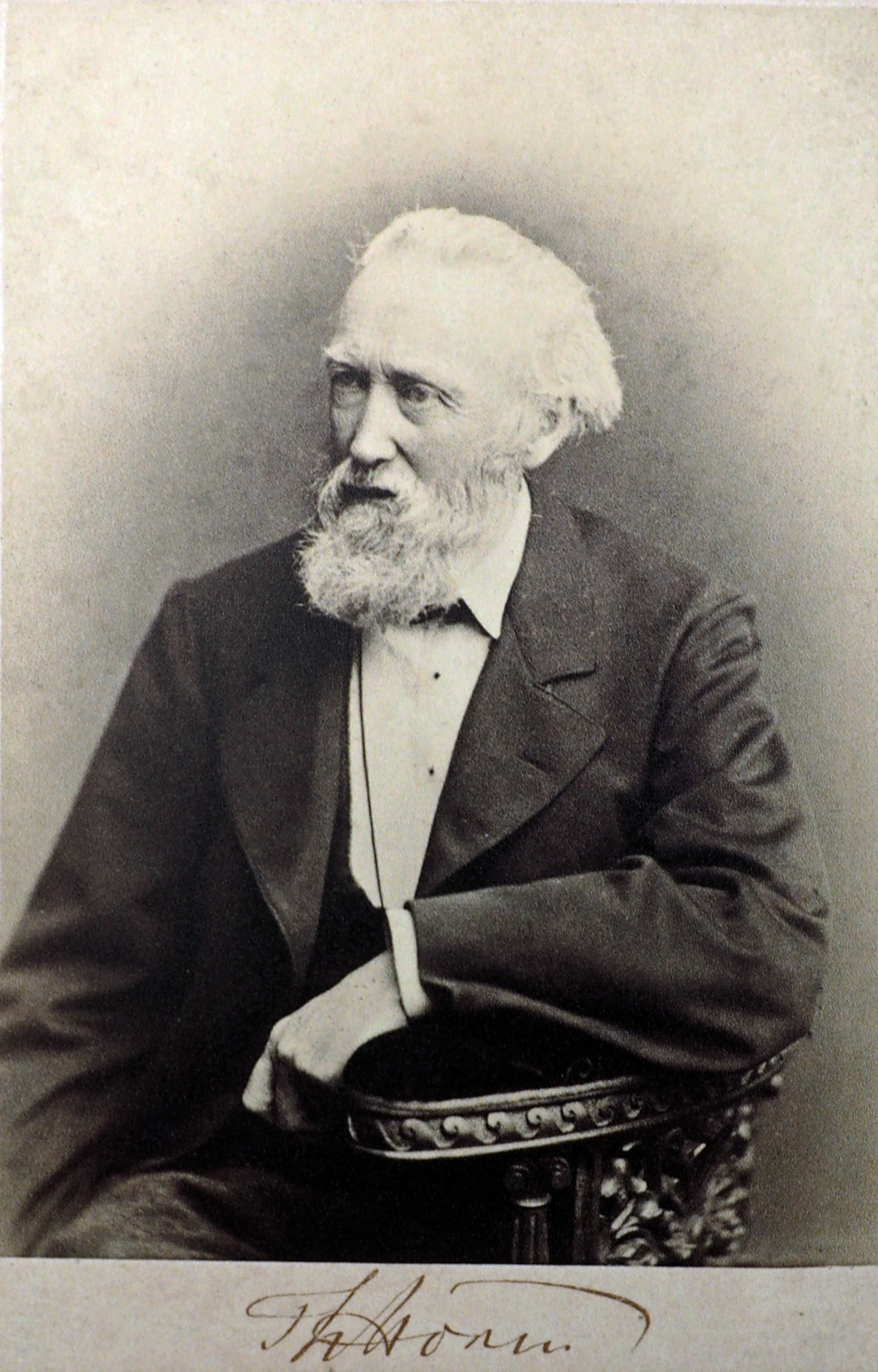
Theodor Storm
Theodor Storm
1817-1888
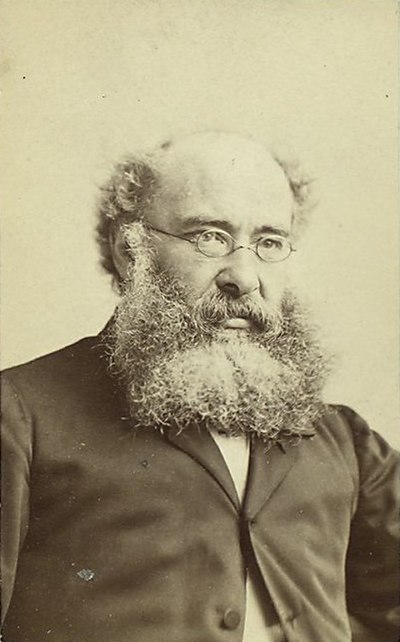
Anthony Trollope
Anthony Trollope
1815-1882
Madeline Leslie
Madeline Leslie
1815-1893
Henry, Mrs. Wood
1814-1887
James Grant
1822-1887
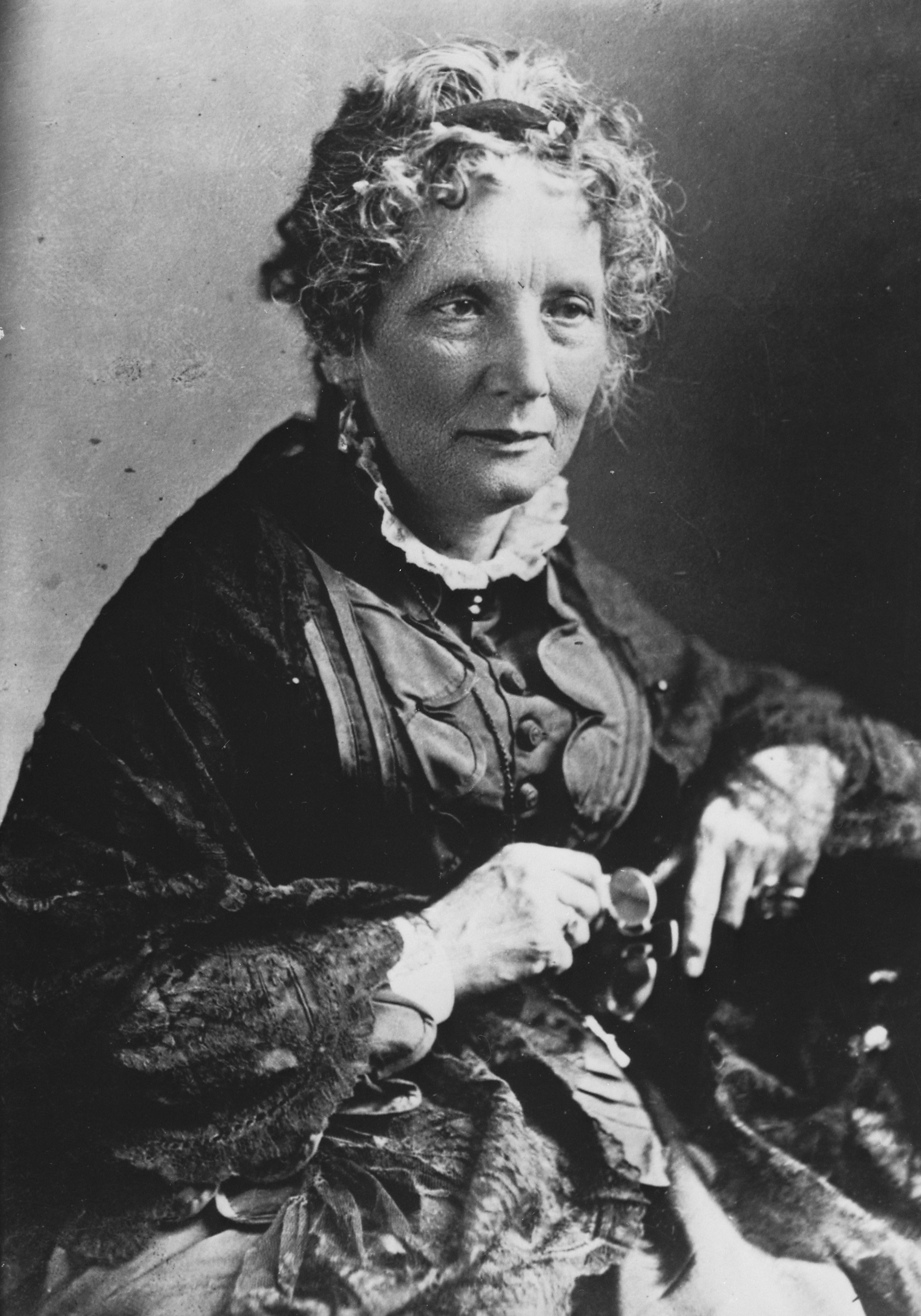
Harriet Beecher Stowe
1811-1896
Edgar Allan Poe
Edgar Allan Poe
1809-1849