
Heinrich Schliemann
Heinrich Schliemann was a pioneering German archaeologist and businessman known for his groundbreaking excavations at sites linked to ancient Greek mythology. He passionately believed in the historicity of the locations described in Homer's epics, particularly the Iliad, and set out to uncover the truth behind these legendary tales. His most notable discoveries occurred at Hisarlık, which he identified as the site of ancient Troy, as well as at Mycenae and Tiryns, where he unearthed significant artifacts that suggested a rich historical backdrop to the stories of the Trojan War. Despite his contributions to archaeology, Schliemann's methods were often criticized for their destructiveness, as he excavated through multiple layers of history in search of the fabled Troy, which led to the loss of invaluable archaeological context. His work, however, undeniably sparked interest in the relationship between archaeology and literature, influencing subsequent generations of scholars and archaeologists. Schliemann's legacy remains complex; he is celebrated for his role in bringing ancient history to light while also serving as a cautionary figure regarding the ethics of archaeological practice.
Books from the author
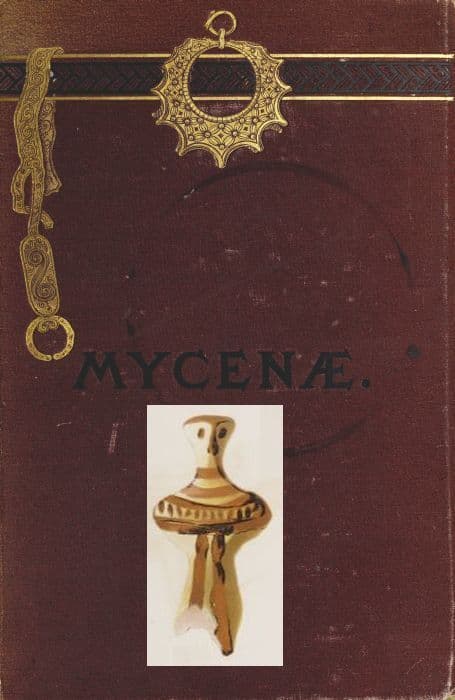








Link to this page
Add a free, dofollow link to Lex on your blog, forum, syllabus, or reading list.

<a href="https://lex-books.com/author/heinrich-schliemann"><img src="https://lex-books.com/badges/read-on-lex.svg" alt="Heinrich Schliemann on Lex" width="160" height="40"></a>[](https://lex-books.com/author/heinrich-schliemann)[url=https://lex-books.com/author/heinrich-schliemann][img]https://lex-books.com/badges/read-on-lex.svg[/img][/url]Heinrich Schliemann on Lex: https://lex-books.com/author/heinrich-schliemann