Troy and Its Remains: A Narrative of Researches and Discoveries Made on the Site of Ilium and in the Trojan Plain
1875
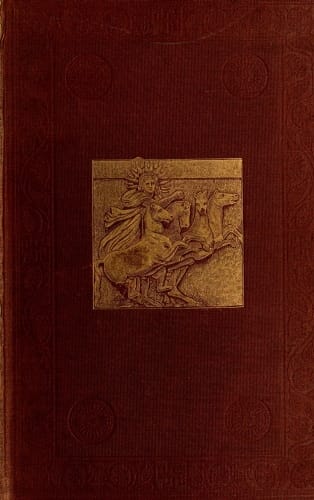
Troy and Its Remains: A Narrative of Researches and Discoveries Made on the Site of Ilium and in the Trojan Plain
1875
Translated by L. Dora Schmitz
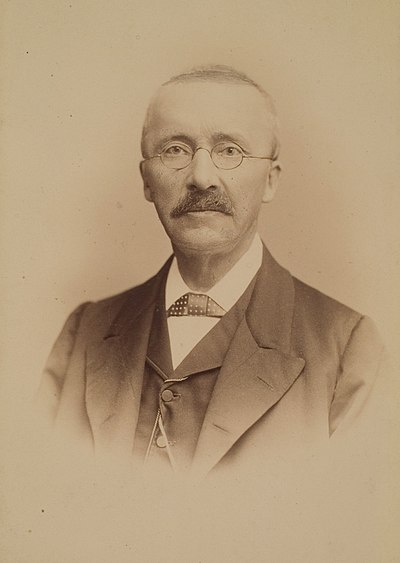
In 1871, a German businessman with no archaeological training began digging on a Turkish hillside, convinced that Homer's Iliad was not myth but memory. What Heinrich Schliemann found beneath the soil of Hissarlik rewrote history: the ruins of not one city, but a succession of them, stacked like strata of frozen time. This is his own account of that audacious expedition, published while the dirt was still under his fingernails. Schliemann narrates the backbreaking labor, the political intrigue, the clashes with Ottoman authorities, and the electric moment when gold treasure emerged from the earth. He writes with the verve of a adventurer who believes he is fulfilling destiny, and the blind spots of a Victorian excavator who cares more about treasure than stratigraphy. The result is a foundational document of archaeology, flawed and fascinating, capturing the moment when humans first systematically dug into the deep past. It remains essential reading for anyone who wants to understand how we began searching for our own origins, and how those earliest searches were shaped as much by dream as by method.
Editions
Link to this book
Add a free, dofollow link to Lex on your blog, forum, syllabus, or reading list.

<a href="https://lex-books.com/book/troy-and-its-remains-a-narrative-of-researches-and-discoveries-made-on-the-site--1114fd45-81ff-4be7-aeaa-63a425a30dd7"><img src="https://lex-books.com/badges/read-on-lex.svg" alt="Read Troy and Its Remains: A Narrative of Researches and Discoveries Made on the Site of Ilium and in the Trojan Plain by Heinrich Schliemann free on Lex" width="160" height="40"></a>[](https://lex-books.com/book/troy-and-its-remains-a-narrative-of-researches-and-discoveries-made-on-the-site--1114fd45-81ff-4be7-aeaa-63a425a30dd7)[url=https://lex-books.com/book/troy-and-its-remains-a-narrative-of-researches-and-discoveries-made-on-the-site--1114fd45-81ff-4be7-aeaa-63a425a30dd7][img]https://lex-books.com/badges/read-on-lex.svg[/img][/url]Read Troy and Its Remains: A Narrative of Researches and Discoveries Made on the Site of Ilium and in the Trojan Plain by Heinrich Schliemann free on Lex: https://lex-books.com/book/troy-and-its-remains-a-narrative-of-researches-and-discoveries-made-on-the-site--1114fd45-81ff-4be7-aeaa-63a425a30dd7Cite this book
Reading this edition for a paper or guide? Copy a citation.
Schliemann, Heinrich. Troy and Its Remains: A Narrative of Researches and Discoveries Made on the Site of Ilium and in the Trojan Plain. Lex, lex-books.com/book/troy-and-its-remains-a-narrative-of-researches-and-discoveries-made-on-the-site--1114fd45-81ff-4be7-aeaa-63a425a30dd7.Schliemann, H. (1875). Troy and Its Remains: A Narrative of Researches and Discoveries Made on the Site of Ilium and in the Trojan Plain. Lex. https://lex-books.com/book/troy-and-its-remains-a-narrative-of-researches-and-discoveries-made-on-the-site--1114fd45-81ff-4be7-aeaa-63a425a30dd7Schliemann, Heinrich. Troy and Its Remains: A Narrative of Researches and Discoveries Made on the Site of Ilium and in the Trojan Plain. Lex. https://lex-books.com/book/troy-and-its-remains-a-narrative-of-researches-and-discoveries-made-on-the-site--1114fd45-81ff-4be7-aeaa-63a425a30dd7.