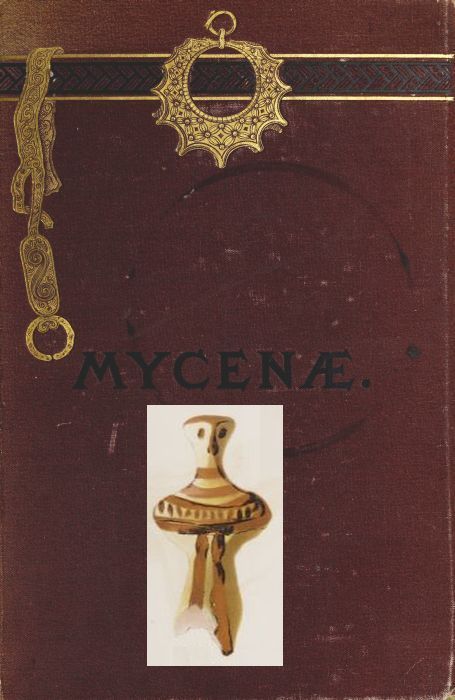
Mycenæ: A Narrative of Researches and Discoveries at Mycenæ and Tiryns
1878

Mycenæ: A Narrative of Researches and Discoveries at Mycenæ and Tiryns
1878
In 1876, a German businessman with no formal training dug into a Greek hill and uncovered a civilization that had been buried for three millennia. This is Heinrich Schliemann's electrifying account of his excavations at Mycenæ and Tiryns, where he unearthed gold masks, warrior graves, and massive 'Cyclopean' walls that seemed to confirm the Homeric epics were more than myth. With swagger and conviction, Schliemann presents his finds as proof that Agamemnon, Achilles, and the Trojan War were rooted in historical truth. The narrative reads part adventure story, part Victorian grandstanding, and part nascent scientific inquiry. Schliemann's methods were destructive and his conclusions often speculative, but his passion was undeniable. He sparked a fascination with the ancient Greek world that continues today. This is the book that launched modern archaeology, for better and for worse: a glimpse into the moment when humans first began systematically unearthing their own mythic past.
Editions

X-Ray
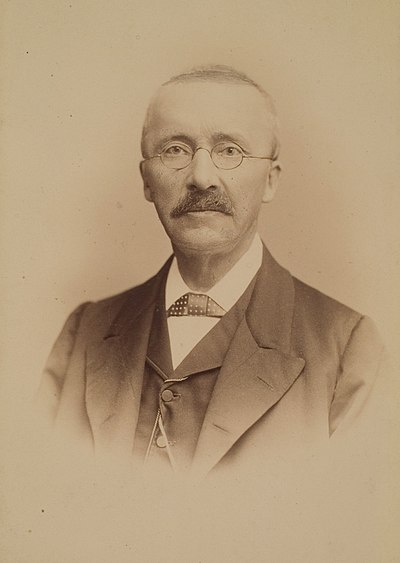
German archaeologist and author of this work. He conducts systematic excavations at Mycenae and Tiryns, discovering what he believes to be the tombs of Agamemnon and other Homeric heroes.
Schliemann's wife who actively participates in the excavations. She excavates the Treasury near the Lions' Gate and assists in the archaeological work.
British Prime Minister and classical scholar who wrote the extensive preface. He provides scholarly analysis connecting the discoveries to Homeric literature.
Legendary king of Mycenae from Homer's Iliad. Schliemann believes he has discovered Agamemnon's actual tomb and remains in the excavations.
About Mycenæ: A Narrative of Researches and Discoveries at Mycenæ and Tiryns
Chapter Summaries
- Preface
- Gladstone provides extensive scholarly analysis connecting Schliemann's discoveries to Homeric literature. He examines evidence for identifying the tombs as those of Agamemnon and his companions, discussing burial practices, artifacts, and historical context.
- 1
- Schliemann describes his excavations at the ancient citadel of Tiryns, famous for its Cyclopean walls. He discovers terra-cotta cows and female idols representing the goddess Hera, establishing the religious practices of the prehistoric inhabitants.
- 2
- Detailed description of Mycenae's geography, the famous Lions' Gate, and the Treasury of Atreus. Schliemann explains the site's strategic importance and describes the impressive Cyclopean architecture that has survived since prehistoric times.
Key Themes
- Archaeological Discovery and Historical Truth
- The work explores how physical evidence can validate ancient literature and oral traditions. Schliemann's discoveries challenge the boundary between myth and history, suggesting that Homer's epics contain genuine historical memories.
- Classical Literature and Material Culture
- The extensive comparison between Homeric descriptions and archaeological finds demonstrates how literature can inform archaeology and vice versa. Gladstone's preface particularly emphasizes these connections.
- Scientific Method vs. Romantic Archaeology
- Schliemann's systematic excavation methods represent early scientific archaeology, yet his romantic desire to find Agamemnon's tomb shows the tension between objective research and passionate belief.
Characters
- Heinrich Schliemann(protagonist)
- German archaeologist and author of this work. He conducts systematic excavations at Mycenae and Tiryns, discovering what he believes to be the tombs of Agamemnon and other Homeric heroes.
- Mrs. Schliemann(major)
- Schliemann's wife who actively participates in the excavations. She excavates the Treasury near the Lions' Gate and assists in the archaeological work.
- W.E. Gladstone(major)
- British Prime Minister and classical scholar who wrote the extensive preface. He provides scholarly analysis connecting the discoveries to Homeric literature.
- Agamemnon(major)
- Legendary king of Mycenae from Homer's Iliad. Schliemann believes he has discovered Agamemnon's actual tomb and remains in the excavations.
- Pausanias(major)
- Ancient Greek geographer whose descriptions of Mycenae guide Schliemann's excavations. His account of the royal tombs provides crucial historical context.
- Homer(major)
- Ancient Greek poet whose epics provide the literary foundation for understanding the discoveries. His descriptions of Bronze Age civilization are compared to the archaeological finds.
Link to this book
Add a free, dofollow link to Lex on your blog, forum, syllabus, or reading list.

<a href="https://lex-books.com/book/mycen-a-narrative-of-researches-and-discoveries-at-mycen-and-tiryns-5371d74e-23c9-4597-9f30-3d4f3edc3f2c"><img src="https://lex-books.com/badges/read-on-lex.svg" alt="Read Mycenæ: A Narrative of Researches and Discoveries at Mycenæ and Tiryns by Heinrich Schliemann free on Lex" width="160" height="40"></a>[](https://lex-books.com/book/mycen-a-narrative-of-researches-and-discoveries-at-mycen-and-tiryns-5371d74e-23c9-4597-9f30-3d4f3edc3f2c)[url=https://lex-books.com/book/mycen-a-narrative-of-researches-and-discoveries-at-mycen-and-tiryns-5371d74e-23c9-4597-9f30-3d4f3edc3f2c][img]https://lex-books.com/badges/read-on-lex.svg[/img][/url]Read Mycenæ: A Narrative of Researches and Discoveries at Mycenæ and Tiryns by Heinrich Schliemann free on Lex: https://lex-books.com/book/mycen-a-narrative-of-researches-and-discoveries-at-mycen-and-tiryns-5371d74e-23c9-4597-9f30-3d4f3edc3f2cCite this book
Reading this edition for a paper or guide? Copy a citation.
Schliemann, Heinrich. Mycenæ: A Narrative of Researches and Discoveries at Mycenæ and Tiryns. Lex, lex-books.com/book/mycen-a-narrative-of-researches-and-discoveries-at-mycen-and-tiryns-5371d74e-23c9-4597-9f30-3d4f3edc3f2c.Schliemann, H. (1878). Mycenæ: A Narrative of Researches and Discoveries at Mycenæ and Tiryns. Lex. https://lex-books.com/book/mycen-a-narrative-of-researches-and-discoveries-at-mycen-and-tiryns-5371d74e-23c9-4597-9f30-3d4f3edc3f2cSchliemann, Heinrich. Mycenæ: A Narrative of Researches and Discoveries at Mycenæ and Tiryns. Lex. https://lex-books.com/book/mycen-a-narrative-of-researches-and-discoveries-at-mycen-and-tiryns-5371d74e-23c9-4597-9f30-3d4f3edc3f2c.