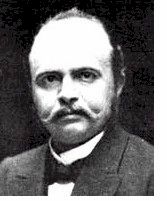
Hans Driesch
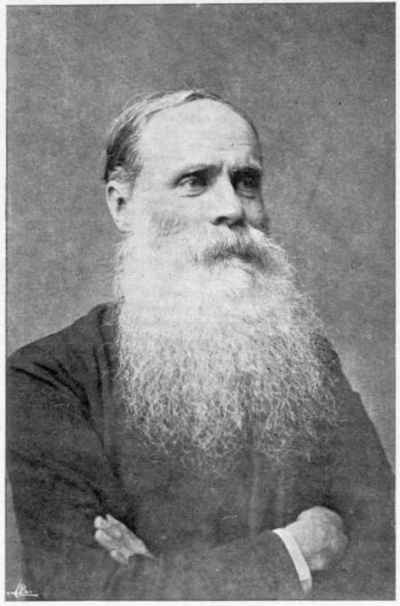
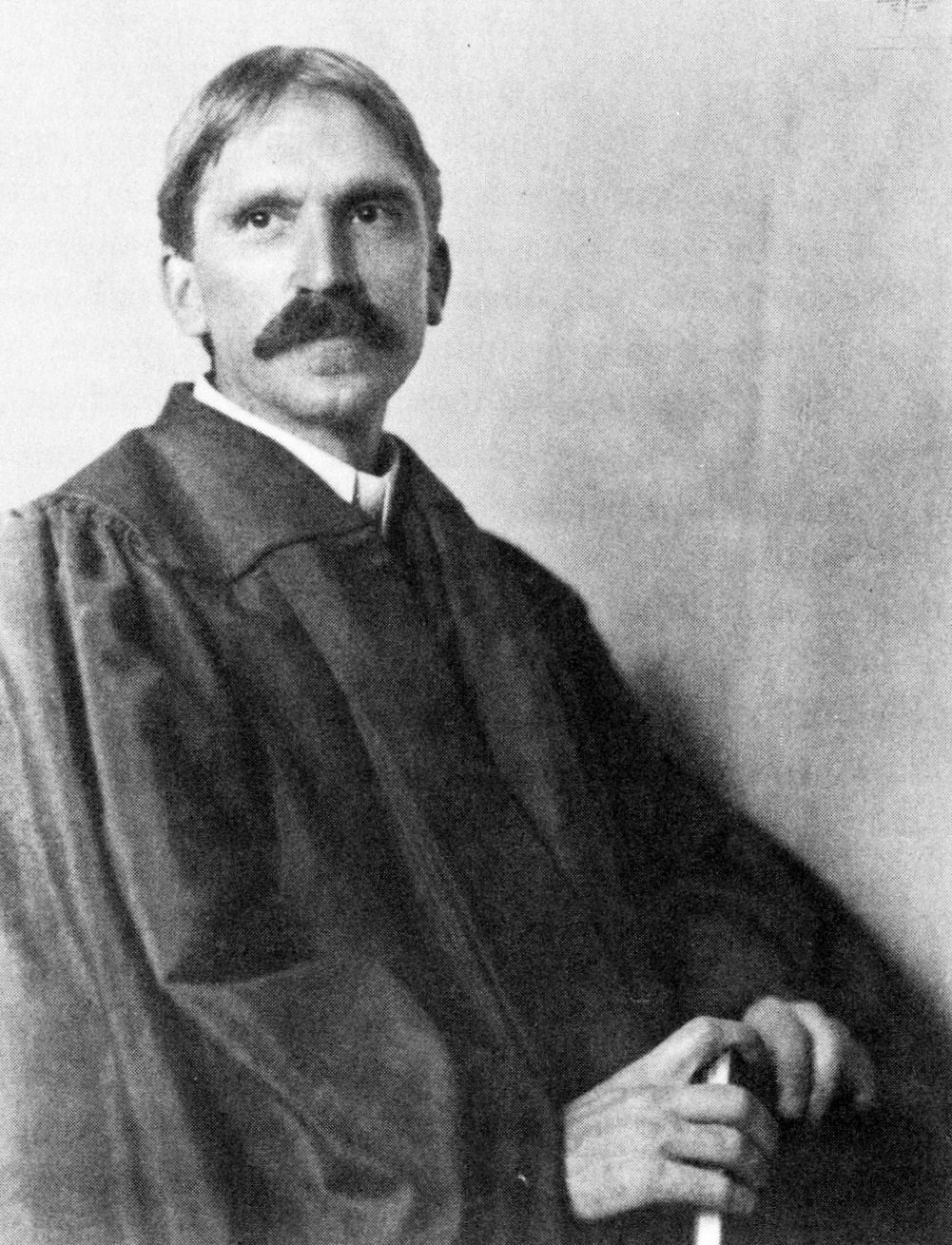
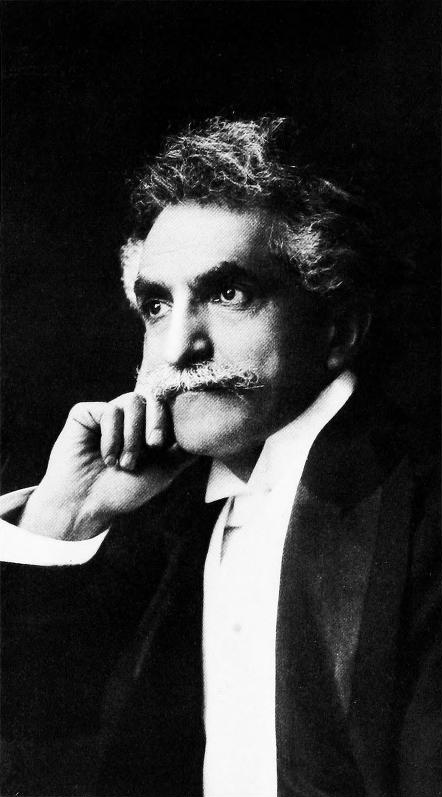
Hans Driesch was a pioneering German biologist and philosopher, renowned for his significant contributions to the fields of embryology and vitalism. Born in Bad Kreuznach, he gained prominence in the late 19th century for his experimental work that laid the groundwork for modern developmental biology. Driesch is particularly noted for his concept of 'entelechy,' a philosophical idea suggesting that living organisms possess an intrinsic purpose or drive towards self-organization and development. This notion challenged mechanistic views of biology and introduced a more holistic perspective on life processes. In the 1880s, Driesch made headlines with his controversial claim of performing the first artificial 'cloning' of an animal, a feat that sparked debates about the definitions and implications of cloning in biology. His work not only influenced the scientific community but also intersected with philosophical inquiries into the nature of life and consciousness. Driesch's legacy endures in both biology and philosophy, as he bridged the gap between empirical research and metaphysical inquiry, shaping discussions on the essence of living beings and their development.
Books from the author




Link to this page
Add a free, dofollow link to Lex on your blog, forum, syllabus, or reading list.

<a href="https://lex-books.com/author/hans-driesch"><img src="https://lex-books.com/badges/read-on-lex.svg" alt="Hans Driesch on Lex" width="160" height="40"></a>[](https://lex-books.com/author/hans-driesch)[url=https://lex-books.com/author/hans-driesch][img]https://lex-books.com/badges/read-on-lex.svg[/img][/url]Hans Driesch on Lex: https://lex-books.com/author/hans-driesch