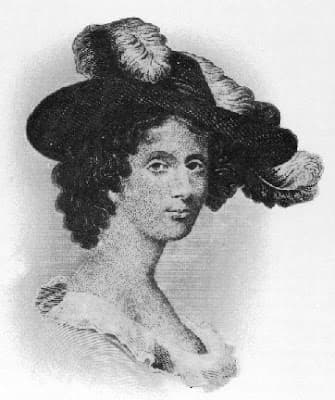
Hannah Webster Foster
Hannah Webster Foster was an influential American novelist known for her pioneering contributions to women's literature in the late 18th century. Her most notable work, The Coquette; or, The History of Eliza Wharton, published anonymously in 1797, explores the complexities of female autonomy and societal expectations through the tragic story of a young woman's pursuit of independence. Although it achieved commercial success during her lifetime, Foster's name did not appear on the title page until 1866, reflecting the challenges faced by women writers of her era in gaining recognition. In 1798, she followed up with The Boarding School; or, Lessons of a Preceptress to Her Pupils, which offered a critical perspective on female education in the United States, advocating for the intellectual development of women. Foster's works not only contributed to the emerging genre of American fiction but also sparked discussions about women's roles in society, making her a significant figure in early American literature. Her legacy endures as a testament to the struggles and achievements of women writers in a predominantly male literary landscape.
Famous Quotes
View all 3 quotes“The mind, after being confined at home for a while, sends the imagination abroad in quest of new treasures; and the body may as well accompany it,”
“He is a gay man, my dear, to say no more; and such are the companions we wish when we join a party avowedly formed for pleasure.”
“Can you, who have always been used to serenity and order in a family, to rational, refined, and improving conversation, relinquish them, and launch into the whirlpool of frivolity, where the correct taste and the delicate sensibility which you possess must constantly be wounded”
Books from the author

Link to this page
Add a free, dofollow link to Lex on your blog, forum, syllabus, or reading list.

<a href="https://lex-books.com/author/hannah-webster-foster"><img src="https://lex-books.com/badges/read-on-lex.svg" alt="Hannah Webster Foster on Lex" width="160" height="40"></a>[](https://lex-books.com/author/hannah-webster-foster)[url=https://lex-books.com/author/hannah-webster-foster][img]https://lex-books.com/badges/read-on-lex.svg[/img][/url]Hannah Webster Foster on Lex: https://lex-books.com/author/hannah-webster-foster