The Coquette, Or, the History of Eliza Wharton: A Novel: Founded on Fact
1797
The Coquette, Or, the History of Eliza Wharton: A Novel: Founded on Fact
1797
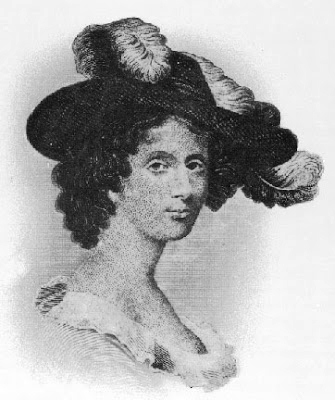
This is one of the earliest novels by an American woman, based on a scandal that consumed the young republic. Hannah Webster Foster transformed the real-life seduction and death of Elizabeth Whitman into a novel that functions as both intimate tragedy and razor-sharp critique of the forces that trap women between virtue and desire. Eliza Wharton moves through a world of suitors and social performance, courted by two men: the charming but hollow Major Sanford, and the respectable but tedious Reverend Boyer. She delays, she wavers, she resists the pressure to settle. Then both men marry other women, and Eliza, now in her mid-thirties and alone, makes a desperate choice that will cost her everything. The novel unfolds through letters that give voice to women's inner lives in an era when they were rarely permitted to speak for themselves. We see how society offers women no good options, only varying degrees of compromise and loss. Why it endures: because Foster refused to let Eliza's story be a simple morality tale. Instead, she laid bare the impossible constraints placed on women who dared to want more than the roles society offered. One of the first American novels to treat a woman's interiority as worthy of serious attention.
Editions
X-Ray
“The mind, after being confined at home for a while, sends the imagination abroad in quest of new treasures; and the body may as well accompany it,””
— Hannah Webster Foster
“He is a gay man, my dear, to say no more; and such are the companions we wish when we join a party avowedly formed for pleasure.””
— Hannah Webster Foster
“Can you, who have always been used to serenity and order in a family, to rational, refined, and improving conversation, relinquish them, and launch into the whirlpool of frivolity, where the correct taste and the delicate sensibility which you possess must constantly be wounded””
— Hannah Webster Foster
Link to this book
Add a free, dofollow link to Lex on your blog, forum, syllabus, or reading list.

<a href="https://lex-books.com/book/the-coquette-or-the-history-of-eliza-wharton-a-novel-founded-on-fact-59c8625b-3495-40ff-ac8b-916ec3108ca4"><img src="https://lex-books.com/badges/read-on-lex.svg" alt="Read The Coquette, Or, the History of Eliza Wharton: A Novel: Founded on Fact by Hannah Webster Foster free on Lex" width="160" height="40"></a>[](https://lex-books.com/book/the-coquette-or-the-history-of-eliza-wharton-a-novel-founded-on-fact-59c8625b-3495-40ff-ac8b-916ec3108ca4)[url=https://lex-books.com/book/the-coquette-or-the-history-of-eliza-wharton-a-novel-founded-on-fact-59c8625b-3495-40ff-ac8b-916ec3108ca4][img]https://lex-books.com/badges/read-on-lex.svg[/img][/url]Read The Coquette, Or, the History of Eliza Wharton: A Novel: Founded on Fact by Hannah Webster Foster free on Lex: https://lex-books.com/book/the-coquette-or-the-history-of-eliza-wharton-a-novel-founded-on-fact-59c8625b-3495-40ff-ac8b-916ec3108ca4Cite this book
Reading this edition for a paper or guide? Copy a citation.
Foster, Hannah Webster. The Coquette, Or, the History of Eliza Wharton: A Novel: Founded on Fact. Lex, lex-books.com/book/the-coquette-or-the-history-of-eliza-wharton-a-novel-founded-on-fact-59c8625b-3495-40ff-ac8b-916ec3108ca4.Foster, H. W. (1797). The Coquette, Or, the History of Eliza Wharton: A Novel: Founded on Fact. Lex. https://lex-books.com/book/the-coquette-or-the-history-of-eliza-wharton-a-novel-founded-on-fact-59c8625b-3495-40ff-ac8b-916ec3108ca4Foster, Hannah Webster. The Coquette, Or, the History of Eliza Wharton: A Novel: Founded on Fact. Lex. https://lex-books.com/book/the-coquette-or-the-history-of-eliza-wharton-a-novel-founded-on-fact-59c8625b-3495-40ff-ac8b-916ec3108ca4.