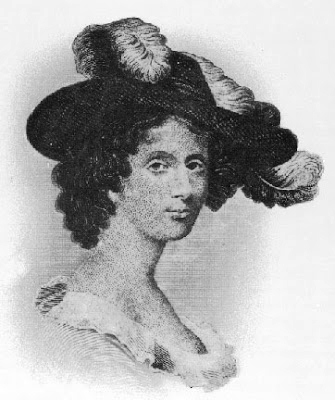
The Boarding School; Lessons of a Preceptress to Her Pupils
This 1798 novel stands as a bold artifact from the early American republic, when the new nation was still figuring out what kind of citizens it wanted to create and who would shape them. Hannah Webster Foster, writing at a time when women had almost no public voice, imagined a school where a wise preceptress imparts final lessons to her graduating students. But this is no dry conduct book. Through Mrs. Williams's teachings on reading, writing, dress, friendship, and love, and through the letters that follow her students into the world, Foster quietly asks: what if women were allowed to think deeply, to question, to matter? The novel follows graduates of Harmony Grove as they navigate romance, friendship, and society's demands, each letter revealing how well their education truly served them. Some flourish. Others falter. The gap between ideal and reality proves unsettling. Foster, who also wrote the more famous "The Coquette," here takes a different approach: not the tragedy of a woman who refuses to conform, but a nuanced portrait of what education could mean for women who must still live within constraints. The book's power lies in its duality. It celebrates female intellect and friendship while upholding virtue and propriety. It critiques limited roles without entirely rejecting them. This tension makes it feel surprisingly modern, like reading someone's private journal from two centuries ago. It endures for anyone curious about where American feminism began and how complicated its origins truly were.
Editions
Link to this book
Add a free, dofollow link to Lex on your blog, forum, syllabus, or reading list.

<a href="https://lex-books.com/book/the-boarding-school-lessons-of-a-preceptress-to-her-pupils-4c1d0fcf-579e-4093-8b69-a5df32025d8d"><img src="https://lex-books.com/badges/read-on-lex.svg" alt="Read The Boarding School; Lessons of a Preceptress to Her Pupils by Hannah Webster Foster free on Lex" width="160" height="40"></a>[](https://lex-books.com/book/the-boarding-school-lessons-of-a-preceptress-to-her-pupils-4c1d0fcf-579e-4093-8b69-a5df32025d8d)[url=https://lex-books.com/book/the-boarding-school-lessons-of-a-preceptress-to-her-pupils-4c1d0fcf-579e-4093-8b69-a5df32025d8d][img]https://lex-books.com/badges/read-on-lex.svg[/img][/url]Read The Boarding School; Lessons of a Preceptress to Her Pupils by Hannah Webster Foster free on Lex: https://lex-books.com/book/the-boarding-school-lessons-of-a-preceptress-to-her-pupils-4c1d0fcf-579e-4093-8b69-a5df32025d8dCite this book
Reading this edition for a paper or guide? Copy a citation.
Foster, Hannah Webster. The Boarding School; Lessons of a Preceptress to Her Pupils. Lex, lex-books.com/book/the-boarding-school-lessons-of-a-preceptress-to-her-pupils-4c1d0fcf-579e-4093-8b69-a5df32025d8d.Foster, H. W. (n.d.). The Boarding School; Lessons of a Preceptress to Her Pupils. Lex. https://lex-books.com/book/the-boarding-school-lessons-of-a-preceptress-to-her-pupils-4c1d0fcf-579e-4093-8b69-a5df32025d8dFoster, Hannah Webster. The Boarding School; Lessons of a Preceptress to Her Pupils. Lex. https://lex-books.com/book/the-boarding-school-lessons-of-a-preceptress-to-her-pupils-4c1d0fcf-579e-4093-8b69-a5df32025d8d.