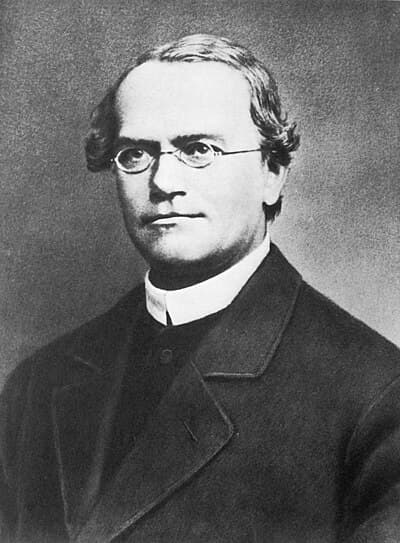
Gregor Mendel
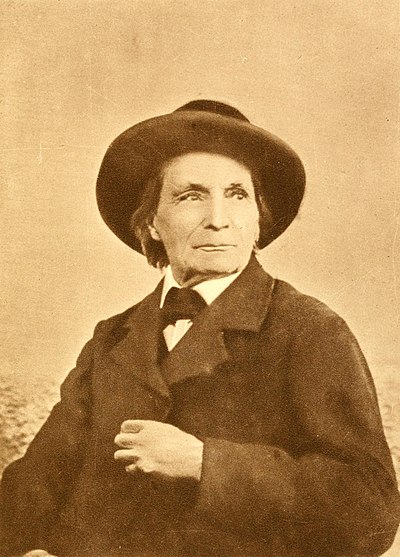
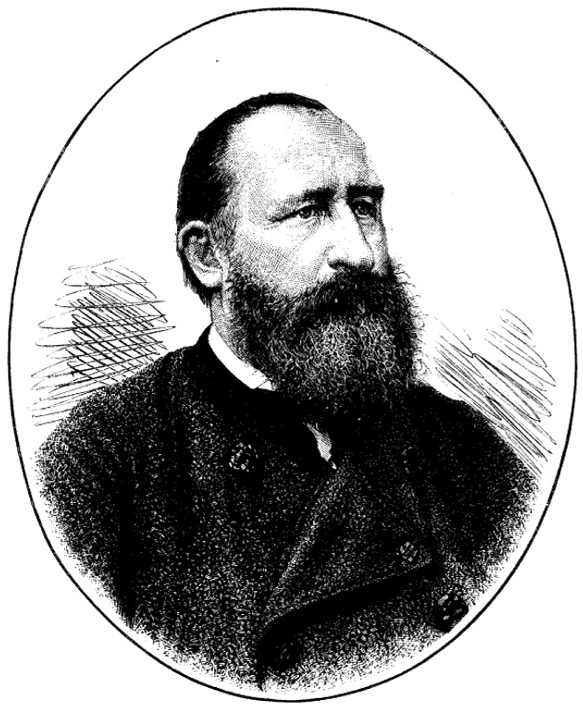
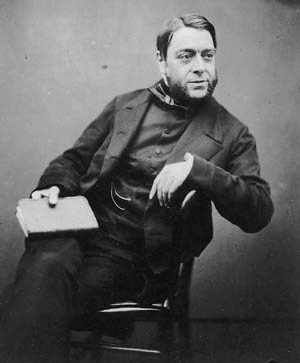
Gregor Mendel was an Austrian biologist and Augustinian friar, widely recognized as the father of modern genetics. Born into a German-speaking family in the Silesian region of the Austrian Empire, Mendel conducted groundbreaking experiments between 1856 and 1863 using pea plants to explore the principles of heredity. His meticulous studies on traits such as plant height, seed color, and pod shape led to the formulation of what are now known as the laws of Mendelian inheritance. Through these experiments, he introduced key concepts such as dominant and recessive traits, demonstrating that certain characteristics could be predictably inherited across generations. Despite the revolutionary nature of his findings, Mendel's work went largely unrecognized during his lifetime, with the significance of his research only being acknowledged in the early 20th century. The rediscovery of his principles by scientists such as Erich von Tschermak, Hugo de Vries, and Carl Correns in 1900 marked a pivotal moment in the history of biology, laying the foundation for the field of genetics. Mendel's legacy endures in the study of heredity and evolution, influencing countless areas of scientific inquiry and shaping our understanding of biological inheritance.
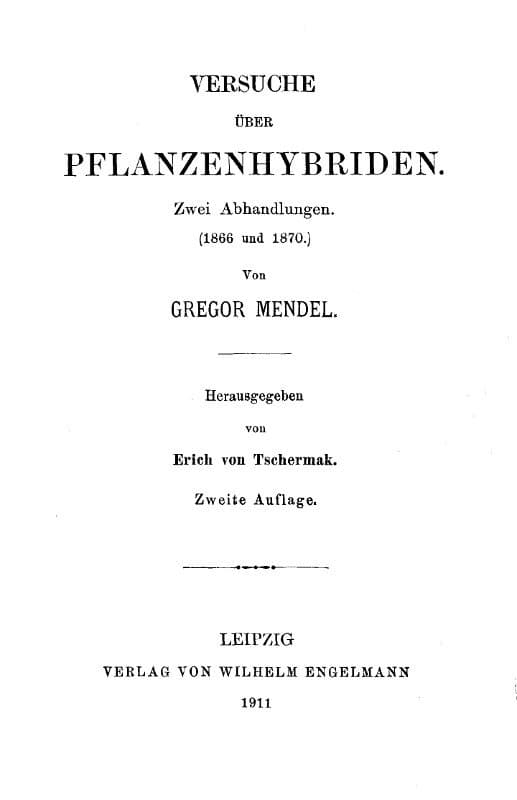
Books from the author

Link to this page
Add a free, dofollow link to Lex on your blog, forum, syllabus, or reading list.

<a href="https://lex-books.com/author/gregor-mendel"><img src="https://lex-books.com/badges/read-on-lex.svg" alt="Gregor Mendel on Lex" width="160" height="40"></a>[](https://lex-books.com/author/gregor-mendel)[url=https://lex-books.com/author/gregor-mendel][img]https://lex-books.com/badges/read-on-lex.svg[/img][/url]Gregor Mendel on Lex: https://lex-books.com/author/gregor-mendel