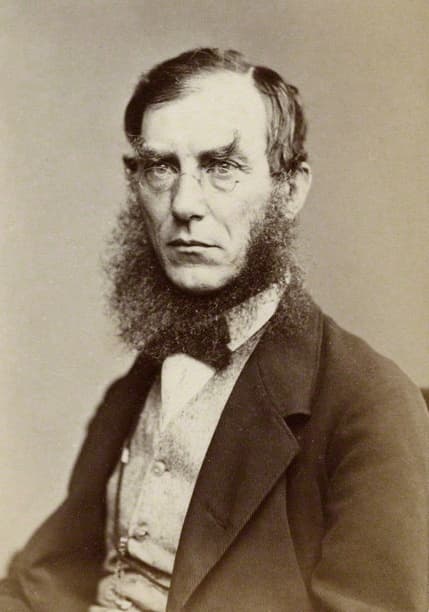
Joseph Dalton Hooker
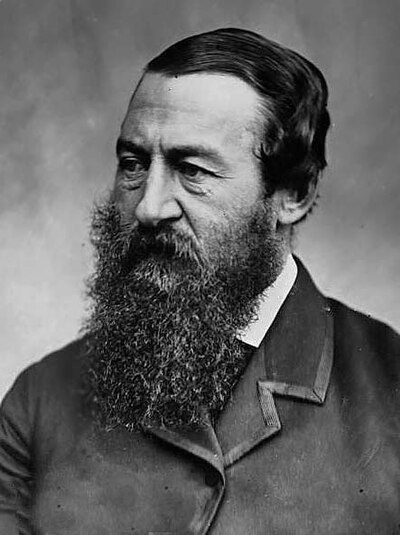
Sir Joseph Dalton Hooker was a prominent British botanist and explorer, recognized as one of the founders of geographical botany. Born into a family of botanists, he was deeply influenced by his father, William Jackson Hooker, who served as the director of the Royal Botanical Gardens at Kew. Hooker's extensive travels, particularly to the Himalayas, Antarctica, and the Americas, allowed him to collect and study a vast array of plant species, leading to significant contributions in the field of botany. His close friendship with Charles Darwin profoundly impacted both their works, as Hooker supported Darwin's theories on evolution and natural selection. As the director of Kew Gardens for two decades, Hooker played a crucial role in expanding its collections and promoting botanical research. His notable works include 'The Flora of British India' and 'The Himalayan Journals,' which documented his explorations and findings. Hooker's legacy extends beyond his publications; he was instrumental in establishing botany as a scientific discipline and influencing future generations of botanists. His contributions earned him numerous accolades, solidifying his place as a key figure in the history of botanical science.
Famous Quotes
View all 3 quotes“I was aware of Darwin's views fourteen years before I adopted them and I have done so solely and entirely from an independent study of the plants themselves. [Letter to W.H. Harvey]”
“I expect to think that I would rather be author of your book [The Origin of Species] than of any other on Nat. Hist. Science. [Letter to Charles Darwin 12 Dec 1859]”
“In [David] Douglas's success in life ... his great activity, undaunted courage, singular abstemiousness, and energetic zeal, at once pointed him out as an individual eminently calculated to do himself credit as a scientific traveler.”
Books from the author
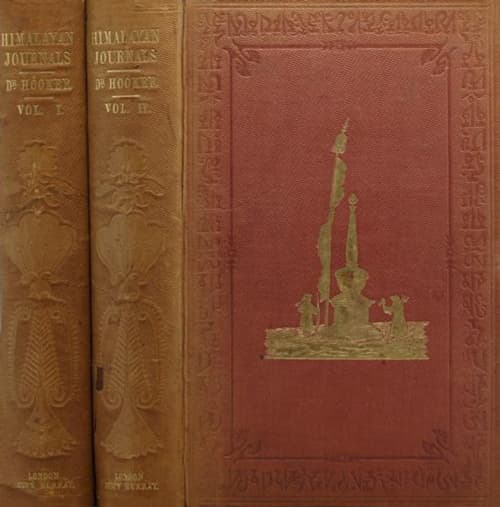
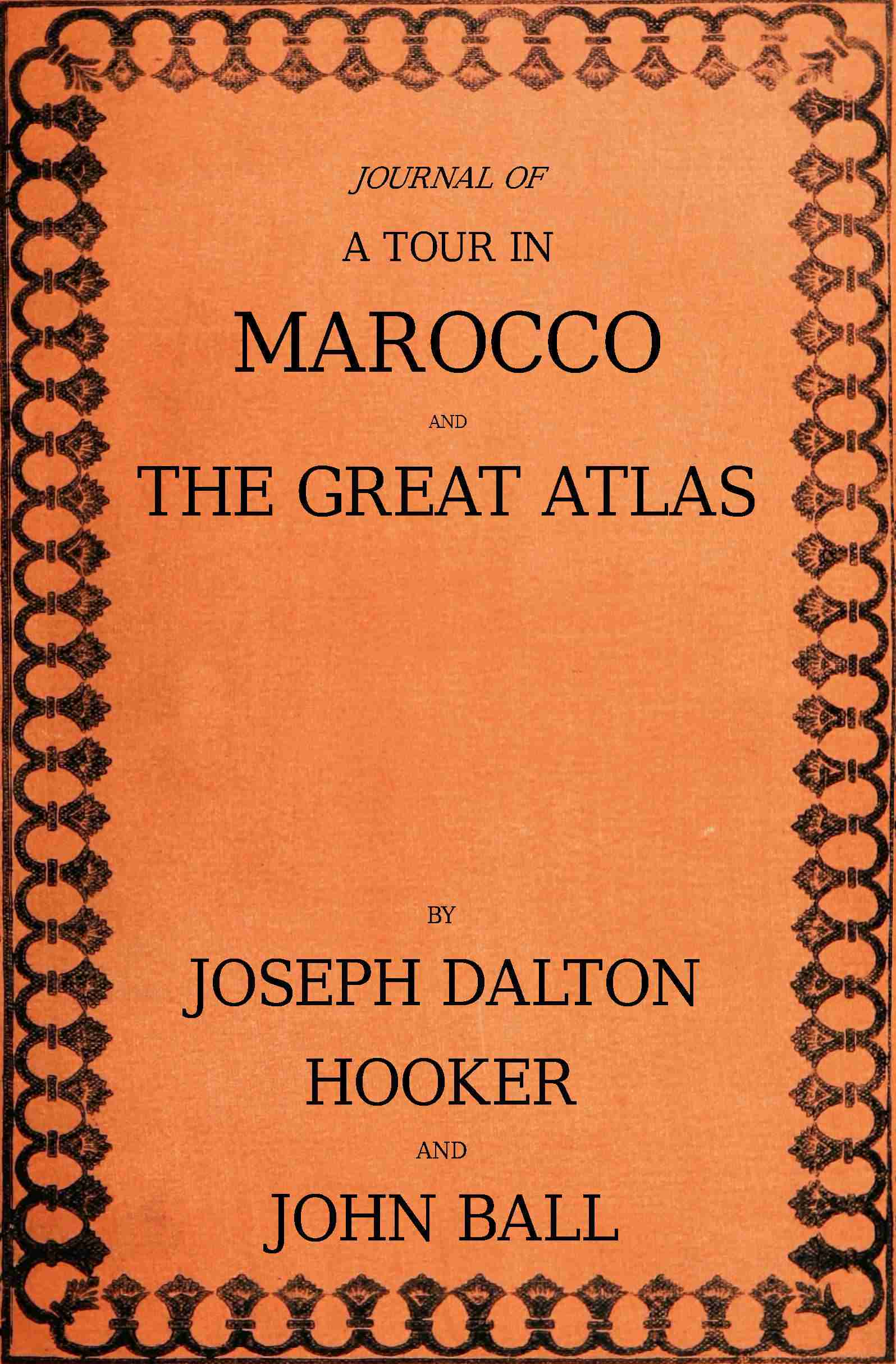



Link to this page
Add a free, dofollow link to Lex on your blog, forum, syllabus, or reading list.

<a href="https://lex-books.com/author/joseph-dalton-hooker"><img src="https://lex-books.com/badges/read-on-lex.svg" alt="Joseph Dalton Hooker on Lex" width="160" height="40"></a>[](https://lex-books.com/author/joseph-dalton-hooker)[url=https://lex-books.com/author/joseph-dalton-hooker][img]https://lex-books.com/badges/read-on-lex.svg[/img][/url]Joseph Dalton Hooker on Lex: https://lex-books.com/author/joseph-dalton-hooker