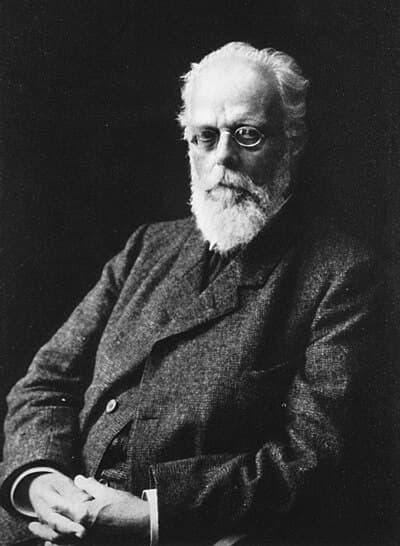
August Weismann
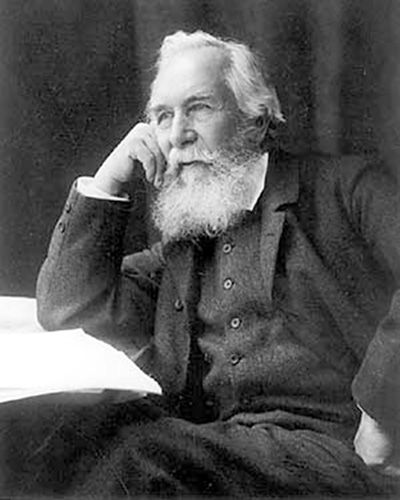
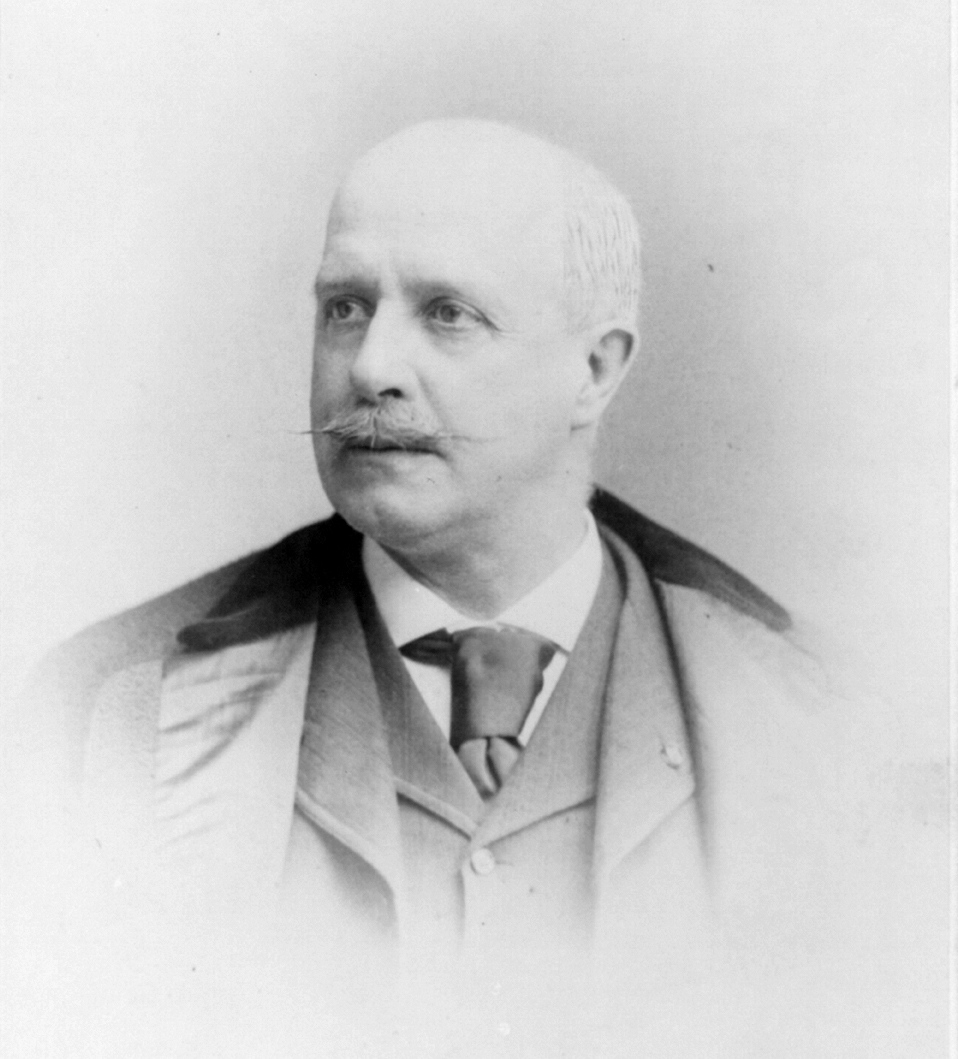
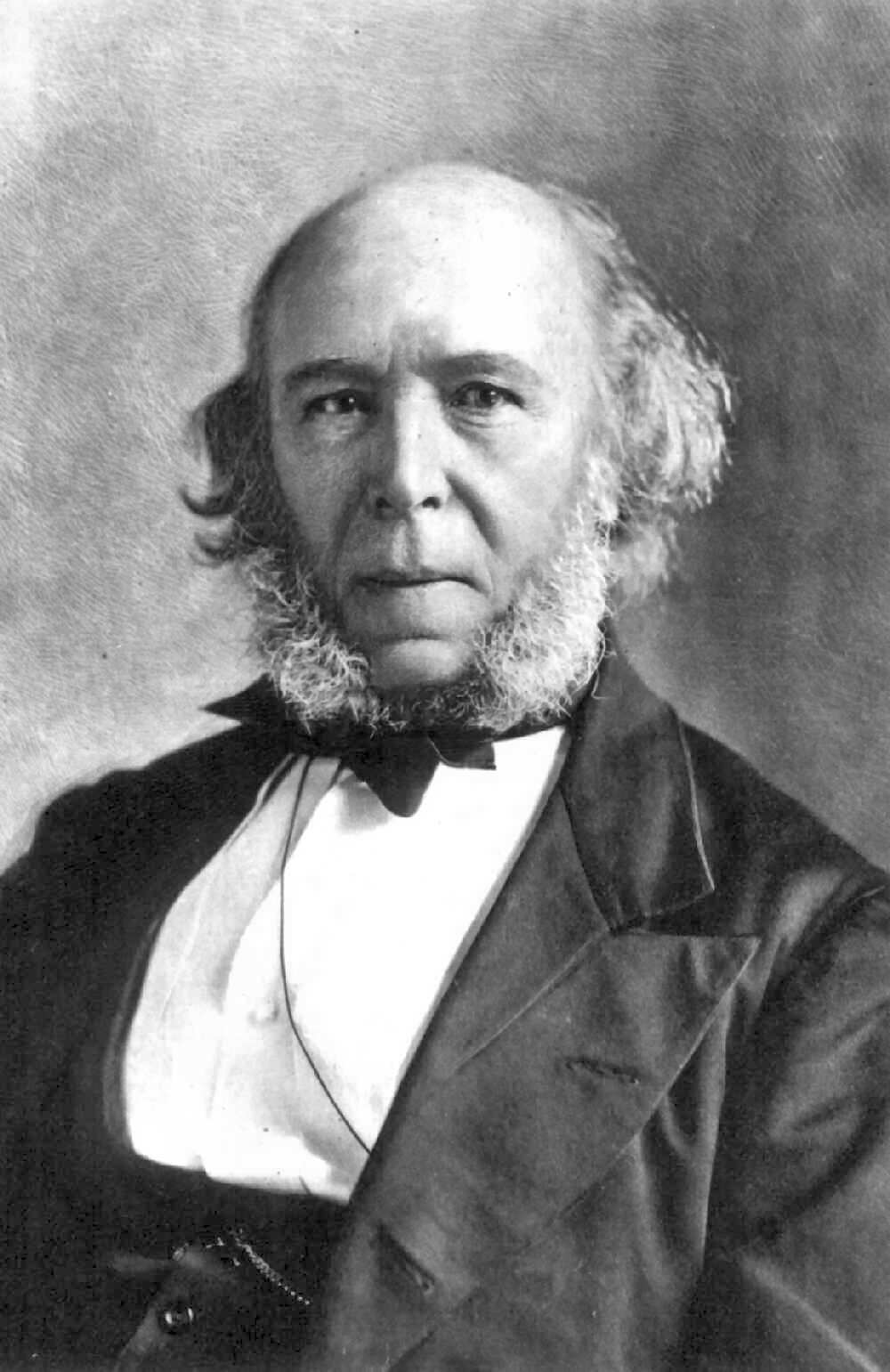
August Weismann was a prominent German evolutionary biologist whose theories significantly shaped the understanding of heredity and evolution in the late 19th century. He served as the Director of the Zoological Institute and the first Professor of Zoology at Freiburg, where he developed the germ plasm theory, also known as Weismannism. This theory posited that inheritance occurs solely through germ cells—such as sperm and egg cells—while somatic cells do not contribute to heredity. This groundbreaking idea, known as the Weismann barrier, challenged the prevailing Lamarckian view that acquired characteristics could be passed down to future generations, marking a pivotal moment in evolutionary biology. Weismann's work laid the groundwork for the modern synthesis of genetics and evolution, emphasizing the importance of mutation as the source of variation upon which natural selection acts. Although he was initially hesitant to fully embrace Mendelian genetics, his theories anticipated the later integration of Mendel's principles into evolutionary thought. Weismann's influence extended beyond his lifetime, earning him recognition as one of the most significant evolutionary theorists of his era, second only to Charles Darwin. His contributions remain integral to the fields of genetics and evolutionary biology, solidifying his legacy as a foundational figure in the scientific understanding of heredity.
Famous Quotes
View all 1 quotes“Evidently neither cats nor dogs, nor other animals that listen to human music, were constituted for the appreciation of it, for it is not of the slightest use to them in the struggle for existence. Moreover, they and their organs of hearing were much older than man and his music. Their power of appreciating music is therefore an uncontemplated side-faculty of a hearing apparatus which has become on other grounds what we find it to be. So it is, I believe, with man. He has not acquired his musical hearing as such, but has received a highly developed organ of hearing by a process of selection, because it was necessary to him in the selective process ; and this organ of hearing happens also to be adapted to listening to music.”
Books from the author
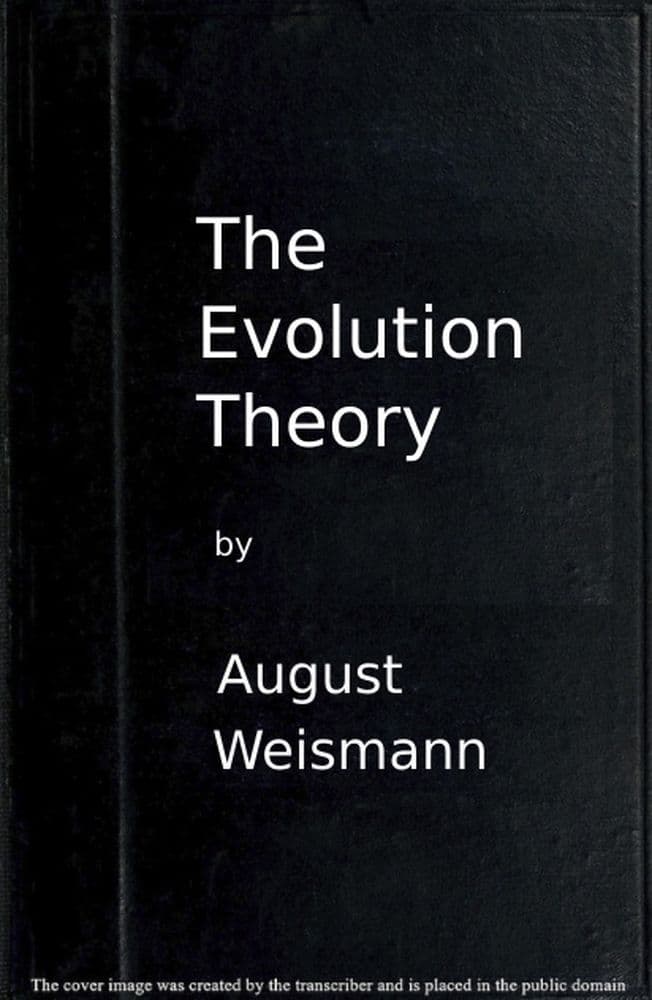
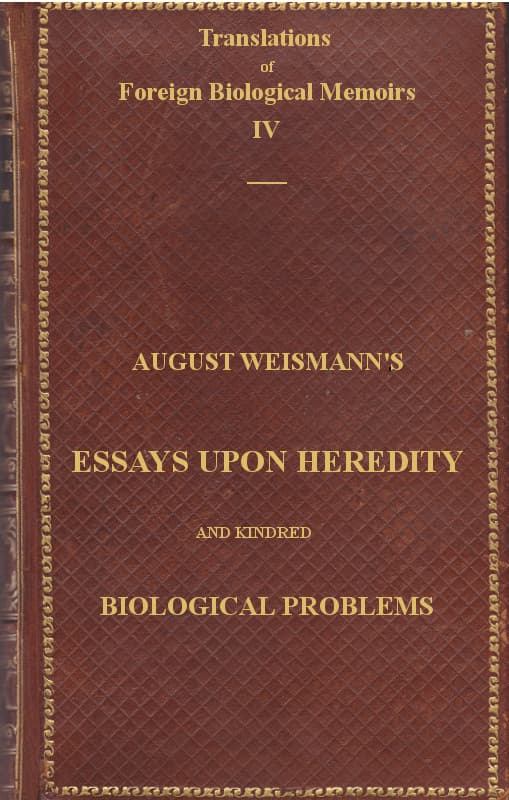
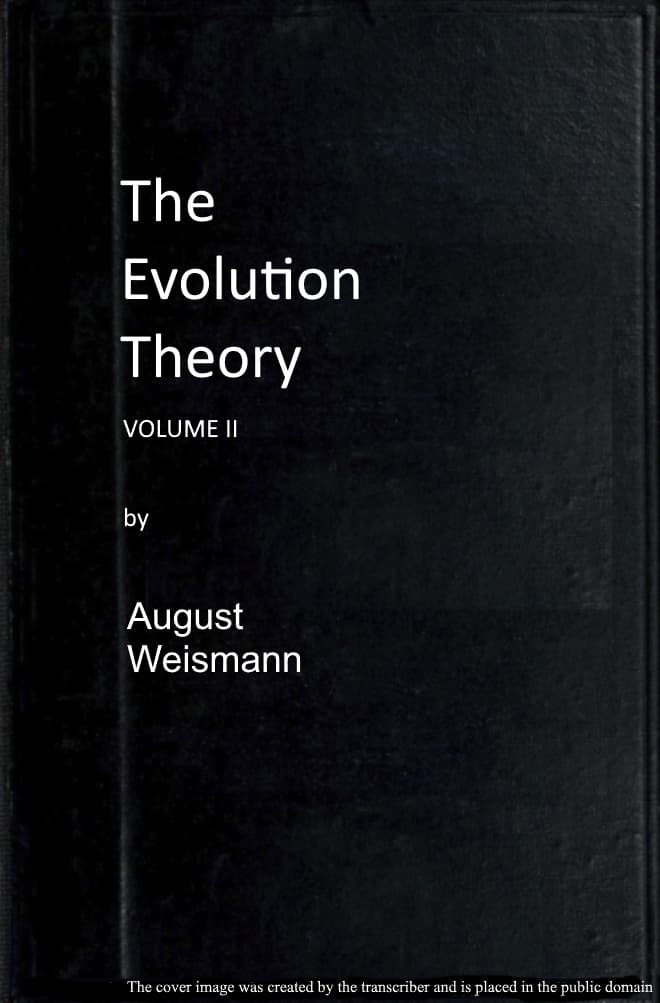



Link to this page
Add a free, dofollow link to Lex on your blog, forum, syllabus, or reading list.

<a href="https://lex-books.com/author/august-weismann"><img src="https://lex-books.com/badges/read-on-lex.svg" alt="August Weismann on Lex" width="160" height="40"></a>[](https://lex-books.com/author/august-weismann)[url=https://lex-books.com/author/august-weismann][img]https://lex-books.com/badges/read-on-lex.svg[/img][/url]August Weismann on Lex: https://lex-books.com/author/august-weismann