What would you like to read?Search books, authors, genres, shelves, users...
Search books, authors, genres, shelves, users...Search books, authors, genres, shelves, users...

What would you like to read?Search books, authors, genres, shelves, users...
Search books, authors, genres, shelves, users...Search books, authors, genres, shelves, users...
1 books
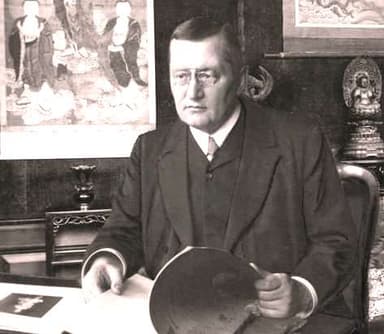
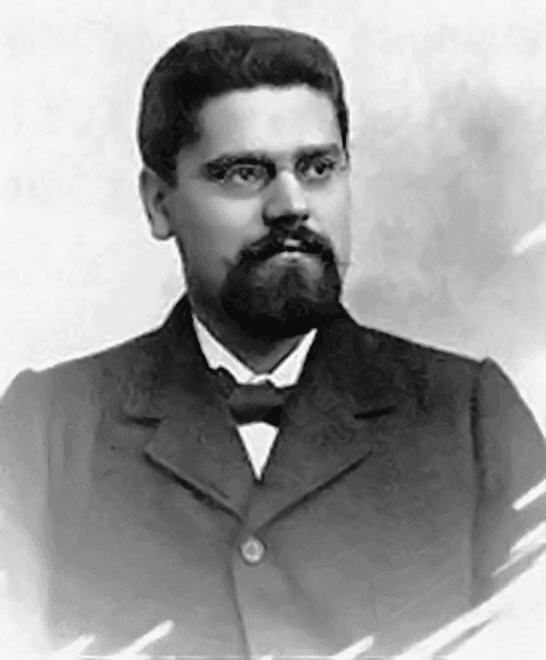
Giovanni Gentile (/dʒɛnˈtiːleɪ/ jen-TEE-lay; Italian: [dʒoˈvanni dʒenˈtiːle]; 30 May 1875 – 15 April 1944) was an Italian pedagogue, philosopher, and politician. He, alongside Benedetto Croce, was one of the major exponents of Italian idealism in Italian philosophy, and also devised his own system of thought, which he called "actual idealism" or "actualism", which has been described as "the subjective extreme of the idealist tradition". Described by himself and by Benito Mussolini as the "philosopher of fascism", he was influential in providing an intellectual foundation for Italian fascism, notably through writing the 1925 Manifesto of the Fascist Intellectuals, and part of the 1932 "The Doctrine of Fascism" with Mussolini. As Minister for Public Education, he introduced in 1923 the so-called Gentile Reform, the first major piece of legislation passed by the Fascist government, which would last in some capacity until 1962. He also helped found the Institute of the Italian Encyclopedia with Giovanni Treccani, and was its first editor.

[...] intellectualism (as understood by Fascists) divocers thought from action, science from life, the brain from the heart, and theory from practice. It is the posture of the talker and the skeptic, of the person who entrenches himself behind the maxim that it is one thing to say something and another thing to do it; it is the utopian who is the fabricator of systems that will never face concrete reality; it is the talk of the poet, the scientist, the philosopher, who confine themselves to fantasy and to speculation and are ill-disposed to look around themselves and see the earth on which they tread and on which are to be found those fundamental human interests that feed their very fantasy and intelligence.
Oggi in Italia gli animi sono schierati in due opposti campi; da una parte i fascisti, dall’altra i loro avversari, democratici di tutte le tinte e tendenze, due mondi che si escludono reciprocamente. Ma la grandissima maggioranza degli italiani rimane estranea e sente che la materia del contrasto, scelto dalle opposizioni, non ha una consistenza politica apprezzabile ed atta ad interessare l’anima popolare.
[...] intellectualism (as understood by Fascists) divocers thought from action, science from life, the brain from the heart, and theory from practice. It is the posture of the talker and the skeptic, of the person who entrenches himself behind the maxim that it is one thing to say something and another thing to do it; it is the utopian who is the fabricator of systems that will never face concrete reality; it is the talk of the poet, the scientist, the philosopher, who confine themselves to fantasy and to speculation and are ill-disposed to look around themselves and see the earth on which they tread and on which are to be found those fundamental human interests that feed their very fantasy and intelligence.
Oggi in Italia gli animi sono schierati in due opposti campi; da una parte i fascisti, dall’altra i loro avversari, democratici di tutte le tinte e tendenze, due mondi che si escludono reciprocamente. Ma la grandissima maggioranza degli italiani rimane estranea e sente che la materia del contrasto, scelto dalle opposizioni, non ha una consistenza politica apprezzabile ed atta ad interessare l’anima popolare.