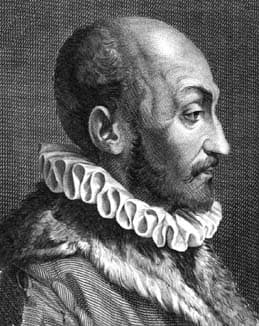
Giambattista della Porta
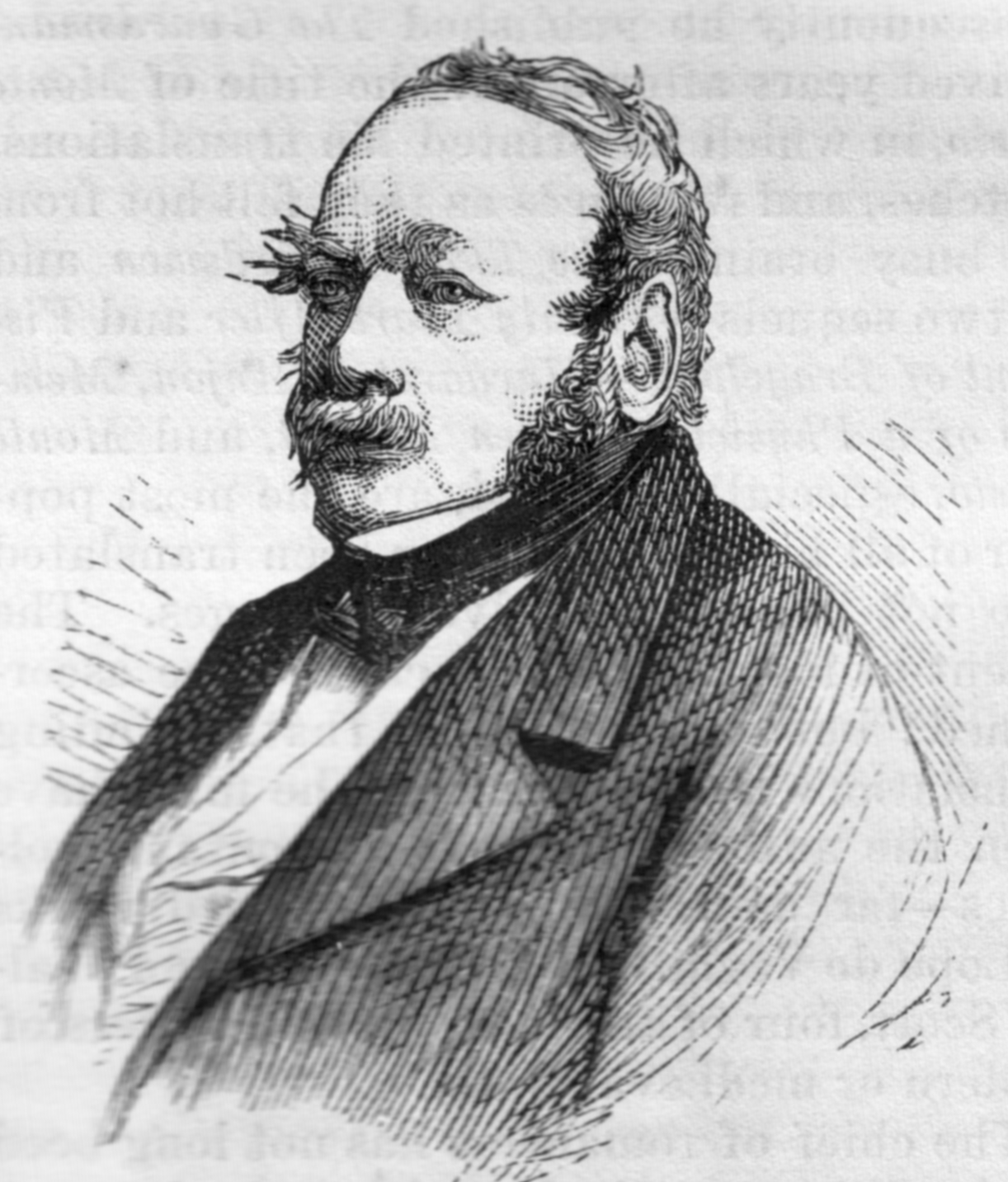
Giambattista della Porta was an influential Italian scholar and polymath whose work bridged the realms of science and the arts during the Renaissance. Born in Naples, he received an informal education enriched by interactions with prominent scholars, which fueled his diverse intellectual pursuits. Della Porta's most notable contribution, 'Magia Naturalis' (Natural Magic), published in 1558, explored a wide array of topics including occult philosophy, astrology, alchemy, and natural philosophy. This seminal work not only showcased his scientific curiosity but also reflected the era's fascination with the natural world and its mysteries. Della Porta's legacy extends beyond his writings; he was known as the 'professor of secrets,' a title that underscores his role in disseminating knowledge that straddled the line between science and magic. His explorations in natural philosophy and his innovative ideas contributed to the early foundations of scientific inquiry, influencing later thinkers during the Scientific Revolution. His work remains a testament to the intellectual vigor of the Renaissance, marking him as a significant figure in the history of science and literature.
Famous Quotes
View all 1 quotes“Insomma, da tutto ciò che si è in quest'opera ragionato, è da finalmente conchiudersi che questa scienza porta indivisibilmente seco lo studio della pietà, e che, se non siesi pio, nonsi può daddovero esser saggio, SN 1112””
Books from the author


Link to this page
Add a free, dofollow link to Lex on your blog, forum, syllabus, or reading list.

<a href="https://lex-books.com/author/giambattista-della-porta"><img src="https://lex-books.com/badges/read-on-lex.svg" alt="Giambattista della Porta on Lex" width="160" height="40"></a>[](https://lex-books.com/author/giambattista-della-porta)[url=https://lex-books.com/author/giambattista-della-porta][img]https://lex-books.com/badges/read-on-lex.svg[/img][/url]Giambattista della Porta on Lex: https://lex-books.com/author/giambattista-della-porta