
Gerard Manley Hopkins
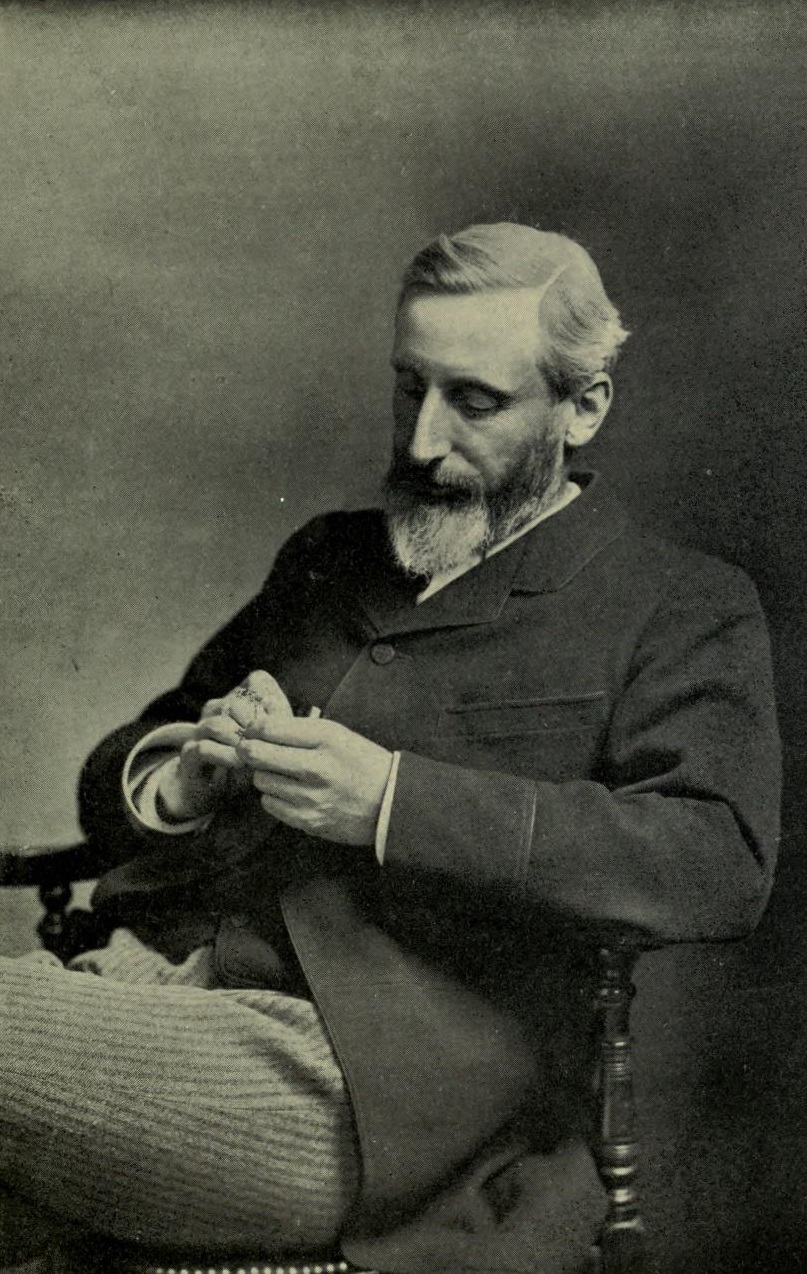
Gerard Manley Hopkins was an English poet and Jesuit priest whose innovative approach to poetry has earned him a prominent place in the English literary canon. Known for his unique prosody, particularly his concept of sprung rhythm, Hopkins infused his work with vivid imagery and a deep appreciation for nature, often using his poetry as a means to express his spiritual devotion. His exploration of the relationship between the divine and the natural world set him apart as a pioneering voice in Victorian poetry. Although Hopkins struggled for recognition during his lifetime, it was only after his death that his work began to gain significant attention. Robert Bridges played a crucial role in this posthumous fame by publishing some of Hopkins's mature poems, which showcased his originality and innovative style. By the early 20th century, Hopkins's influence had permeated the works of notable poets such as T. S. Eliot and W. H. Auden, solidifying his legacy as one of the most original literary figures of his time and a precursor to modernist poetry.
Famous Quotes
View all 3 quotes“What would the world be, once bereft Of wet and of wildness? Let them be left, O let them be left, wildness and wet; Long live the weeds and the wilderness yet.”
“Pied Beauty— " Glory be to God for dappled things-- For skies of couple-colour as a brinded cow; For rose-moles all in stipple upon trout that swim; Fresh-firecoal chestnut-falls; finches' wings; Landscape plotted and pieced--fold, fallow, and plough; And all trades, their gear and tackle and trim. All things counter, original, spare, strange; Whatever is fickle, freckled (who knows how?) With swift, slow; sweet, sour; adazzle, dim; He fathers-forth whose beauty is past change: Praise Him.”
“The world is charged with the grandeur of God.”
Books from the author


Link to this page
Add a free, dofollow link to Lex on your blog, forum, syllabus, or reading list.

<a href="https://lex-books.com/author/gerard-manley-hopkins"><img src="https://lex-books.com/badges/read-on-lex.svg" alt="Gerard Manley Hopkins on Lex" width="160" height="40"></a>[](https://lex-books.com/author/gerard-manley-hopkins)[url=https://lex-books.com/author/gerard-manley-hopkins][img]https://lex-books.com/badges/read-on-lex.svg[/img][/url]Gerard Manley Hopkins on Lex: https://lex-books.com/author/gerard-manley-hopkins