
George Miksch Sutton
George Miksch Sutton was an influential American ornithologist and bird artist, renowned for his contributions to the field of ornithology and his distinctive artistic representations of birds. His early artistic endeavors were greatly influenced by the renowned bird artist Louis Agassiz Fuertes, who served as both a mentor and inspiration. Sutton's keen observational skills led him to significant discoveries, including being the first ornithologist to document the eggs of the Harris's sparrow in 1931, a notable achievement given that it was one of the last North American birds to have its nesting habits described. His fieldwork spanned diverse locations, including the Arctic, Oklahoma, Labrador, and Mexico, where he meticulously documented avian life through both scientific papers and popular writings, often illustrated with his own artwork. Sutton's expeditions included a significant 1935 journey to the Singer Tract in Louisiana, where he sketched the now-extinct ivory-billed woodpecker, further cementing his legacy in the study of North American birds. He earned his doctorate from Cornell University and held academic positions at the University of Michigan and the University of Oklahoma, Norman. His dedication to avian research and education is commemorated through the George M. Sutton Avian Research Center in Bartlesville, Oklahoma, which bears his name and continues to promote the study of birds and their habitats. Sutton's work not only advanced ornithological knowledge but also inspired future generations of bird enthusiasts and scientists.
Books from the author
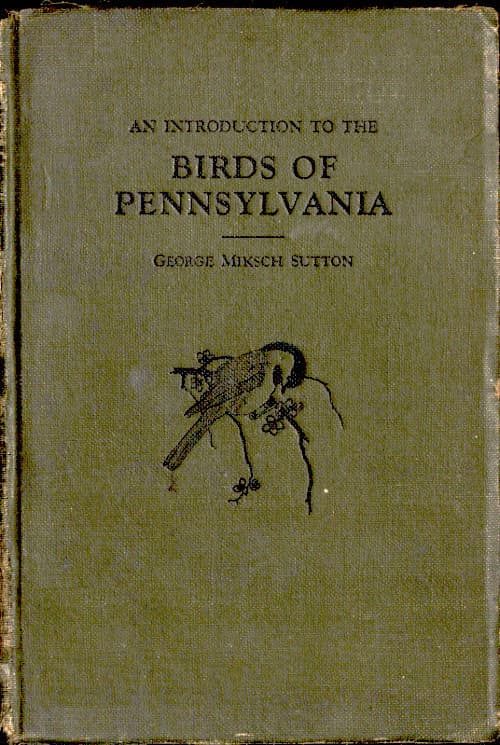


Link to this page
Add a free, dofollow link to Lex on your blog, forum, syllabus, or reading list.

<a href="https://lex-books.com/author/george-miksch-sutton"><img src="https://lex-books.com/badges/read-on-lex.svg" alt="George Miksch Sutton on Lex" width="160" height="40"></a>[](https://lex-books.com/author/george-miksch-sutton)[url=https://lex-books.com/author/george-miksch-sutton][img]https://lex-books.com/badges/read-on-lex.svg[/img][/url]George Miksch Sutton on Lex: https://lex-books.com/author/george-miksch-sutton