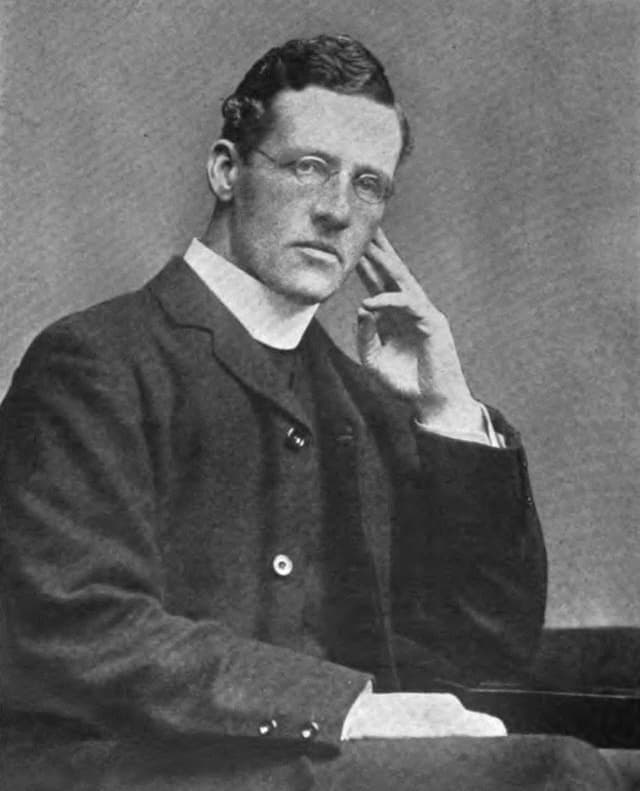
George A. Birmingham
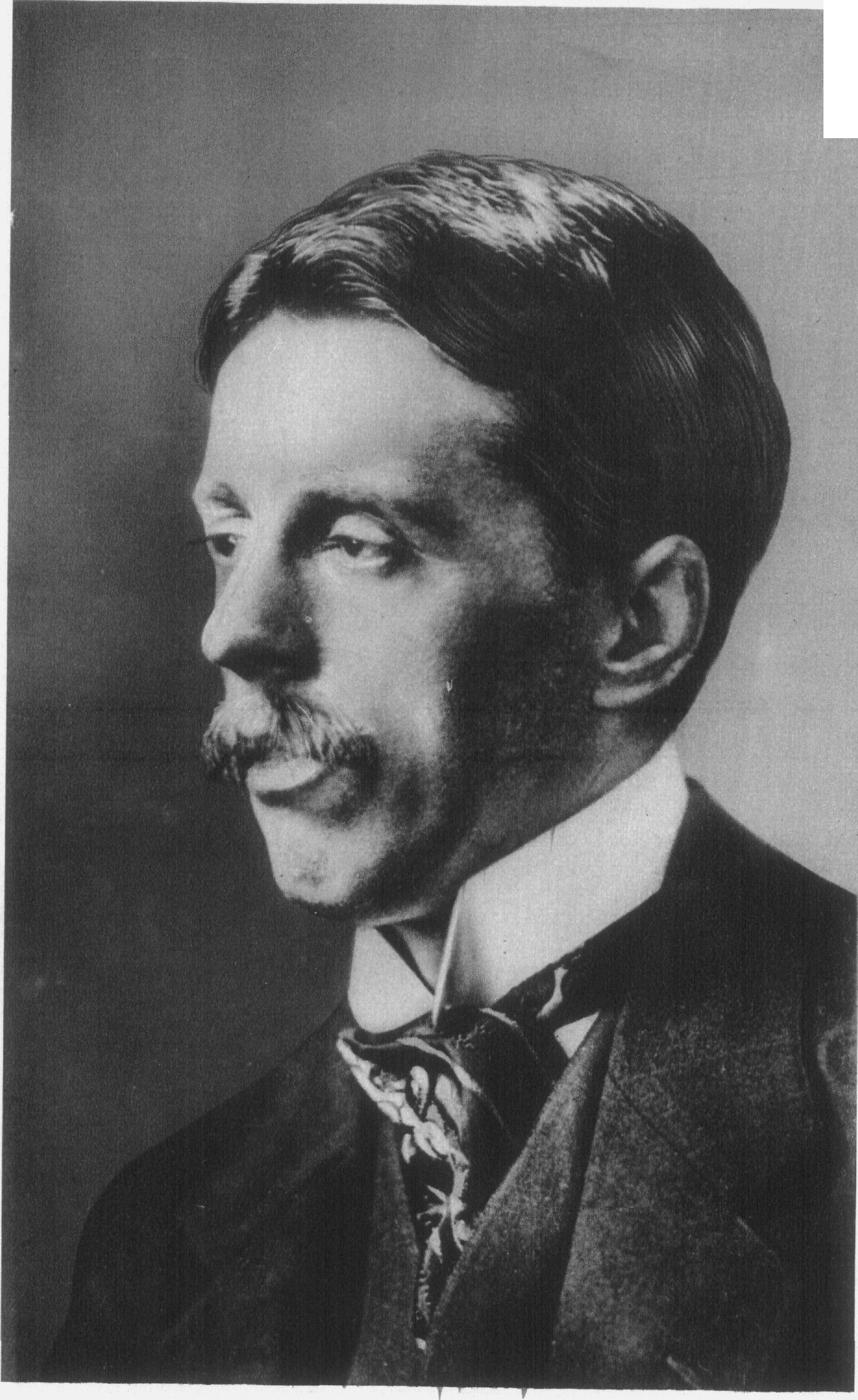
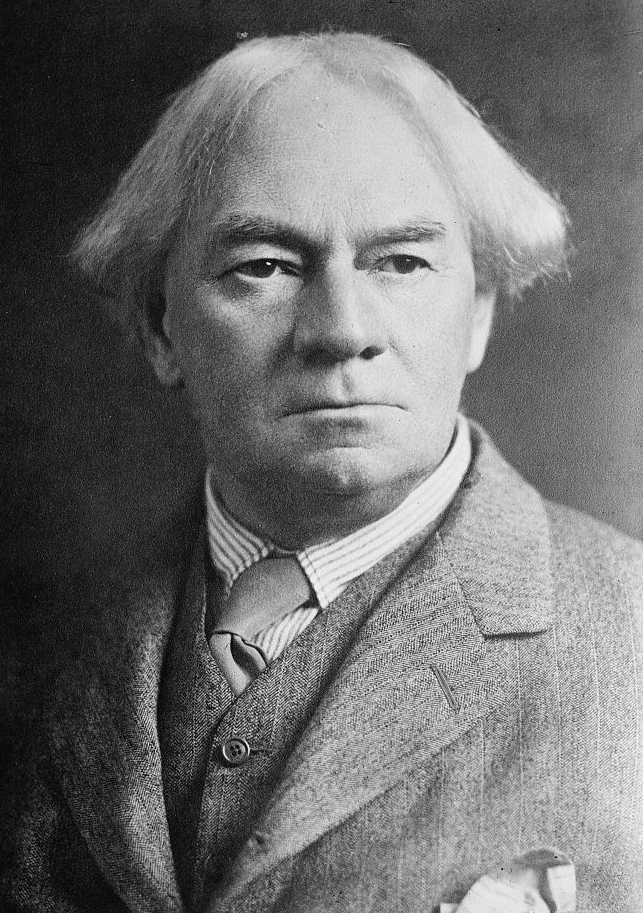
George A. Birmingham, the pen name of James Owen Hannay, was an Irish clergyman and a prolific novelist whose works often explored the complexities of Irish identity and society. He was an active member of the Gaelic League, advocating for the Irish language and culture, yet his support for Robert Lindsay Crawford's opposition to clerical control of education strained his relationships with some Irish nationalists. This tension is reflected in his writing, which often navigated the intricate dynamics of Irish life during a time of significant political and social change. Birmingham's literary contributions include notable works such as 'The Seething Pot' and 'The Real Ireland,' which offered critical insights into the Irish experience and the challenges of modernity. His narratives often blended humor with social commentary, making them both entertaining and thought-provoking. Birmingham's ability to articulate the struggles and aspirations of his characters established him as a significant voice in early 20th-century Irish literature, influencing subsequent generations of writers. His legacy endures as a testament to the rich tapestry of Irish storytelling, marked by a keen awareness of the cultural and political landscape of his time.
Famous Quotes
View all 2 quotes“A very wise English lady, one who has much experience of life, once said that young Englishmen of good position are lured into marrying music hall dancers, a thing which occasionally happens to them, because they find these ladies more entertaining and exciting than girls of their own class. I do not know whether this is true or not, but if it is it helps to explain the attractiveness of American women. There is always a certain unexpectedness about them. They are always stimulating and agreeable. It is much more difficult to account for the attractiveness of the English man.”
“A man cannot, I think, be both an historian and a gentleman. It is an essential part of the character of a gentleman that he should dislike prying into other people's secrets. The business of the historian, on the other hand, is to rake about if necessary through dust-bins, until he finds out the reasons, generally disreputable, why things are done. A gentleman displays a dignified superiority to the vice of curiosity. For the historian curiosity is a virtue.”
Books from the author
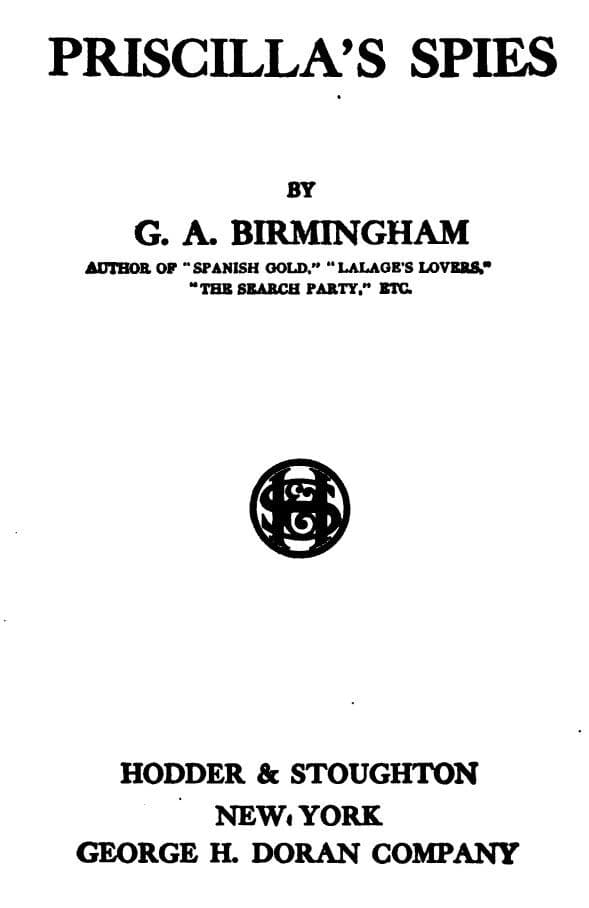
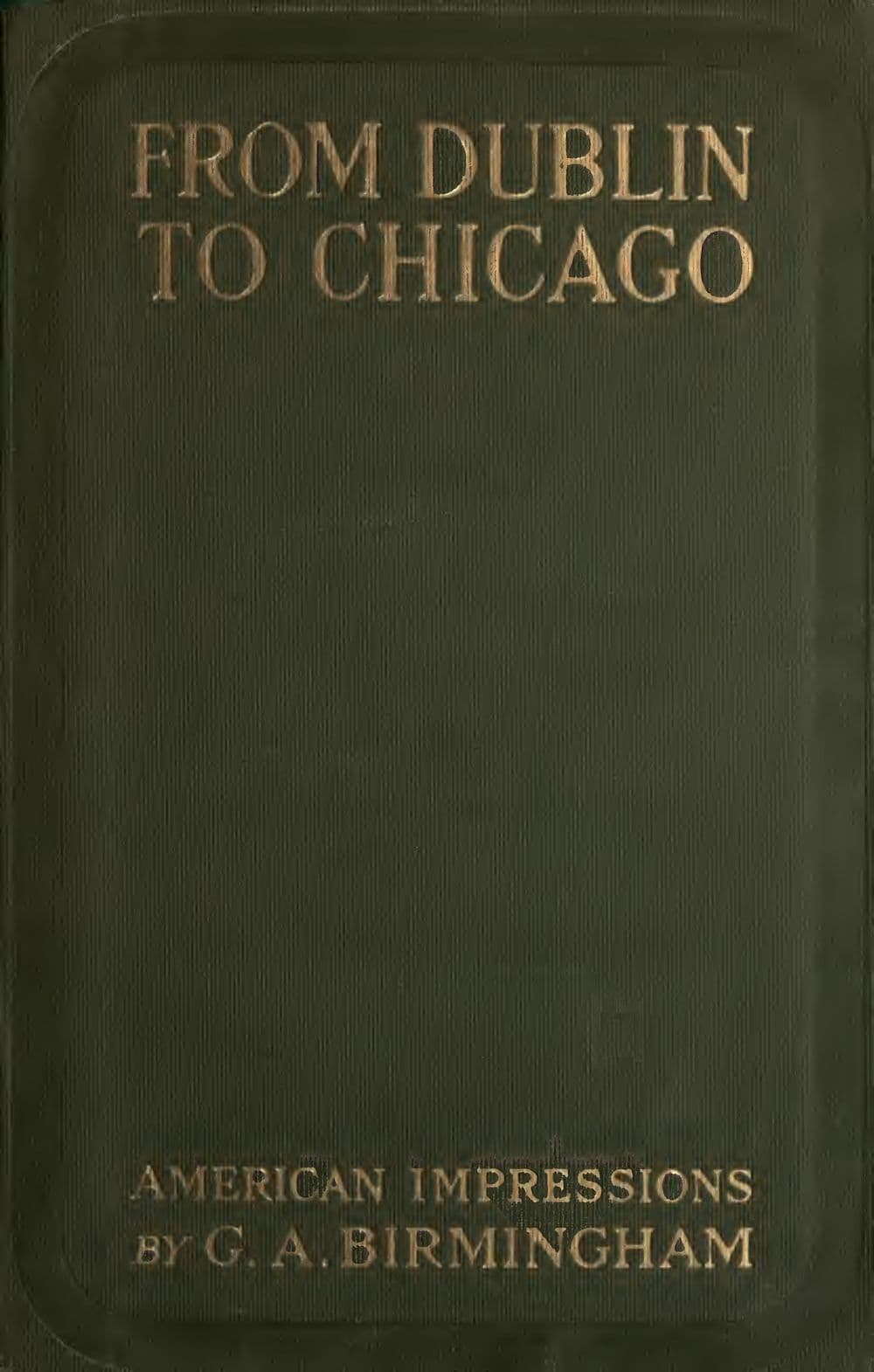


Link to this page
Add a free, dofollow link to Lex on your blog, forum, syllabus, or reading list.

<a href="https://lex-books.com/author/george-a-birmingham"><img src="https://lex-books.com/badges/read-on-lex.svg" alt="George A. Birmingham on Lex" width="160" height="40"></a>[](https://lex-books.com/author/george-a-birmingham)[url=https://lex-books.com/author/george-a-birmingham][img]https://lex-books.com/badges/read-on-lex.svg[/img][/url]George A. Birmingham on Lex: https://lex-books.com/author/george-a-birmingham