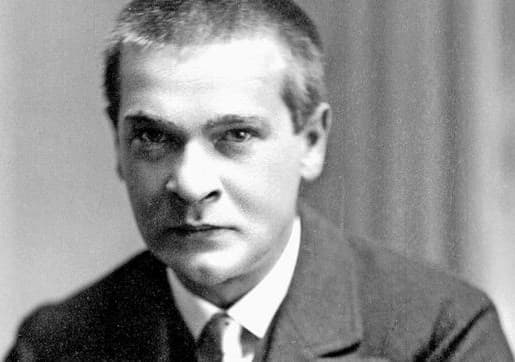
Georg Trakl
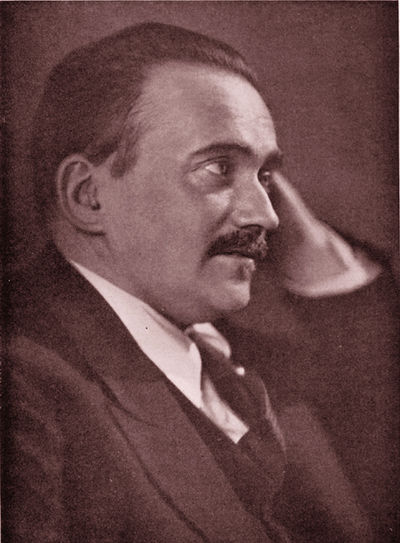
Georg Trakl was an influential Austrian poet, recognized as one of the foremost figures of Expressionism in the early 20th century. Born in 1887, he navigated a troubled life marked by personal struggles and a deep engagement with the themes of despair, death, and the human condition. His poetry often reflects a haunting beauty, characterized by vivid imagery and a profound sense of melancholy. Trakl's works are imbued with a sense of urgency, likely influenced by his experiences in World War I, which he witnessed firsthand as a medical orderly. Among his notable works, "Grodek" stands out as a poignant reflection on the horrors of war and the fragility of life, written shortly before his untimely death from a cocaine overdose at the age of 27. Despite his brief life, Trakl's contributions to literature have left a lasting impact, influencing subsequent generations of poets and writers. His exploration of existential themes and innovative use of language have solidified his place in the canon of modern poetry, making him a key figure in the Expressionist movement and a voice that continues to resonate in discussions of war and human suffering.
Famous Quotes
View all 3 quotes“I do not have easy days at home now and I drift between fear and helplessness in sunny rooms where it is unspeakably cold. Strange shudders of transformation, bodily experienced to the point of vulnerability, visions of mysteries until the certainty of having died, ecstasies to the point of stony petrifaction, and a continuation of dreaming sad dreams.”
“Your body is a hyacinth, Into which a monk dips his waxy fingers. Our silence is a black cavern, From which a soft animal steps at times And slowly lowers heavy eyelids. On your temples black dew drips, The last gold of expired stars”
“Cold metal walks across my forehead, spiders search for my heart. It is a light that goes out in my mouth...”
Books from the author


Link to this page
Add a free, dofollow link to Lex on your blog, forum, syllabus, or reading list.

<a href="https://lex-books.com/author/georg-trakl"><img src="https://lex-books.com/badges/read-on-lex.svg" alt="Georg Trakl on Lex" width="160" height="40"></a>[](https://lex-books.com/author/georg-trakl)[url=https://lex-books.com/author/georg-trakl][img]https://lex-books.com/badges/read-on-lex.svg[/img][/url]Georg Trakl on Lex: https://lex-books.com/author/georg-trakl