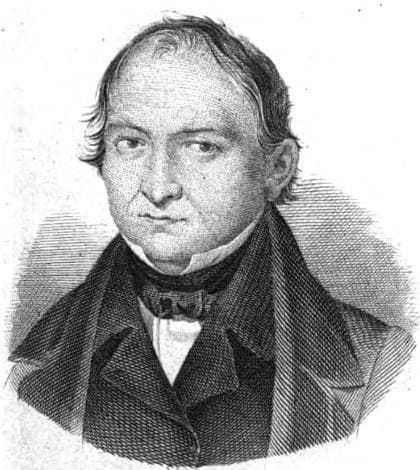
Gabriele Rossetti
Gabriele Rossetti was an influential Italian poet, scholar, and political activist, known for his role in the Italian nationalist movement. Born in Vasto in the Kingdom of Naples, he emerged as a prominent figure in the early 19th century, advocating for constitutional reforms and the unification of Italy. His commitment to these ideals led him to found the secret society Carbonari, which aimed to promote liberalism and national sovereignty. However, his political activities ultimately resulted in his exile to England in 1821, where he continued to write and engage with fellow expatriates who shared his revolutionary aspirations. In England, Rossetti's literary contributions flourished, and he became a notable figure within the expatriate community. His poetry often reflected themes of love, loss, and the struggles of his homeland, blending personal emotion with a broader political consciousness. His works, while not as widely recognized as those of his children, including the famous Pre-Raphaelite artist Dante Gabriel Rossetti, laid the groundwork for future generations of Italian poets and thinkers. Gabriele Rossetti's legacy endures as a testament to the intertwining of art and political activism, marking him as a significant figure in the cultural and historical landscape of 19th-century Italy.
Famous Quotes
View all 16 quotes“Sometimes thou seem'st not as thyself alone, But as the meaning of all things that are.””
“Look in my face; my name is Might-have-been; I am also call'd No-more, Too-late, Farewell””
“The worst moment for the atheist is when he is really thankful and has nobody to thank.””
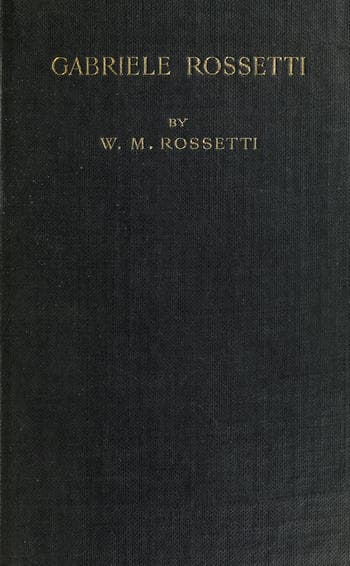
Books from the author





Link to this page
Add a free, dofollow link to Lex on your blog, forum, syllabus, or reading list.

<a href="https://lex-books.com/author/gabriele-rossetti"><img src="https://lex-books.com/badges/read-on-lex.svg" alt="Gabriele Rossetti on Lex" width="160" height="40"></a>[](https://lex-books.com/author/gabriele-rossetti)[url=https://lex-books.com/author/gabriele-rossetti][img]https://lex-books.com/badges/read-on-lex.svg[/img][/url]Gabriele Rossetti on Lex: https://lex-books.com/author/gabriele-rossetti