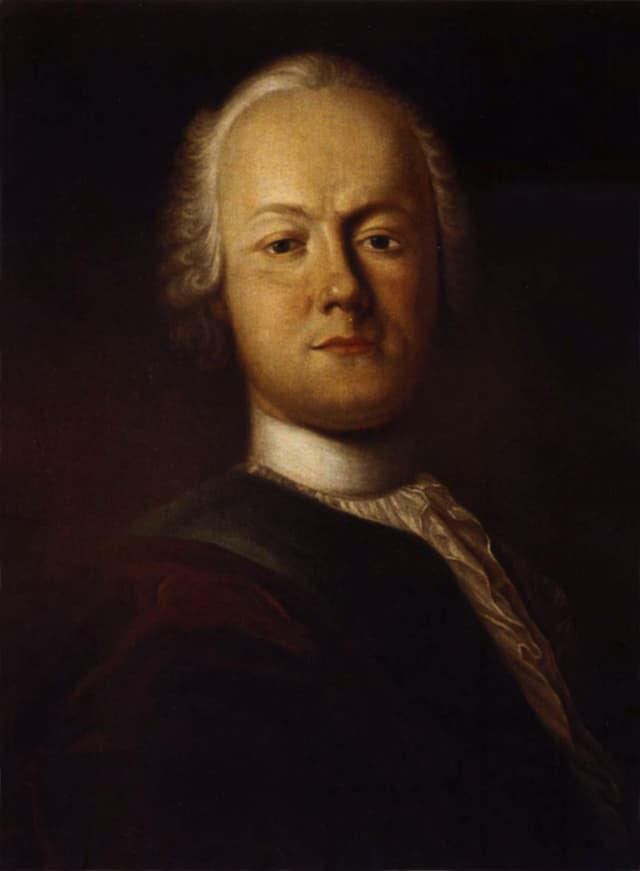
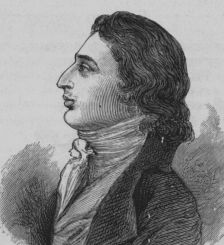
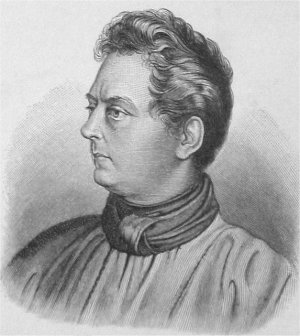
Friedrich Gottlieb Klopstock
Friedrich Gottlieb Klopstock was a pivotal figure in German literature, renowned for his innovative approach to poetry that broke away from the prevailing French influences of his time. His most celebrated work, the epic poem 'Der Messias' ('The Messiah'), marked a significant departure from traditional forms and themes, infusing German poetry with a sense of national identity and spiritual depth. Klopstock's exploration of biblical themes and his unique stylistic choices helped to establish a new literary voice in Germany, paving the way for future generations of poets and writers. In addition to 'Der Messias', Klopstock's poem 'Die Auferstehung' ('The Resurrection') gained notable recognition, particularly when it was later set to music by Gustav Mahler in the finale of his Symphony No. 2. Klopstock's legacy lies not only in his own works but also in his influence on the Sturm und Drang movement and later Romantic poets, who admired his ability to evoke emotion and transcendence through language. His contributions to the German literary canon solidified his place as a key figure in the evolution of modern poetry, and his works continue to be studied for their innovative spirit and cultural significance.
Books from the author




Link to this page
Add a free, dofollow link to Lex on your blog, forum, syllabus, or reading list.

<a href="https://lex-books.com/author/friedrich-gottlieb-klopstock"><img src="https://lex-books.com/badges/read-on-lex.svg" alt="Friedrich Gottlieb Klopstock on Lex" width="160" height="40"></a>[](https://lex-books.com/author/friedrich-gottlieb-klopstock)[url=https://lex-books.com/author/friedrich-gottlieb-klopstock][img]https://lex-books.com/badges/read-on-lex.svg[/img][/url]Friedrich Gottlieb Klopstock on Lex: https://lex-books.com/author/friedrich-gottlieb-klopstock