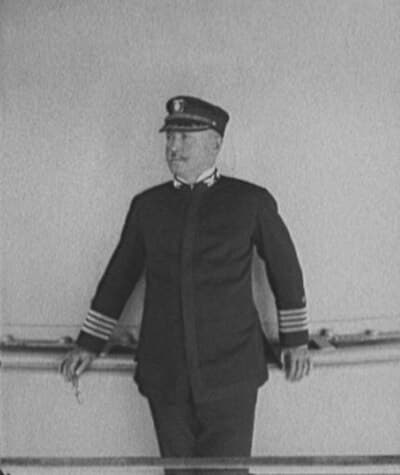
French Ensor Chadwick
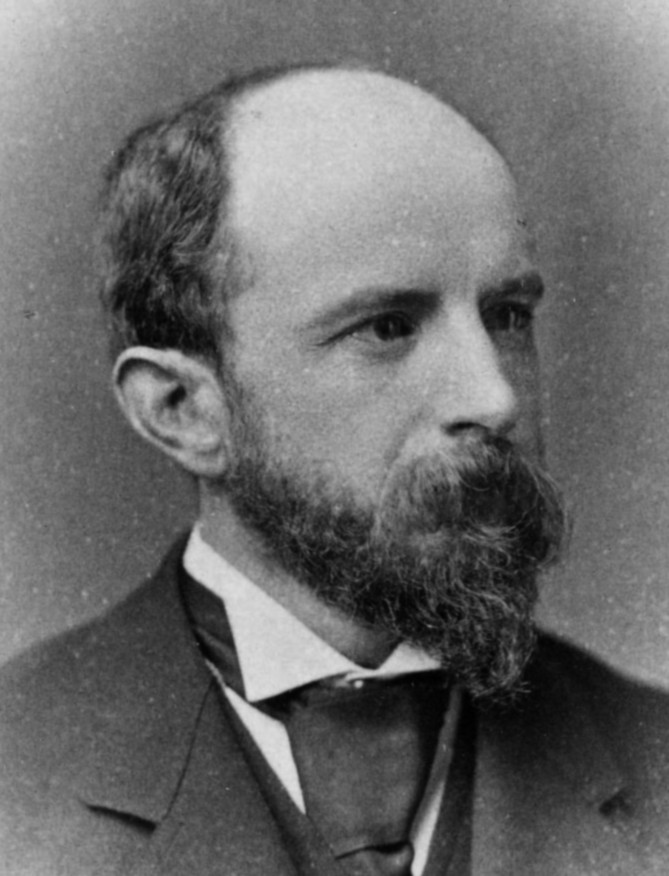
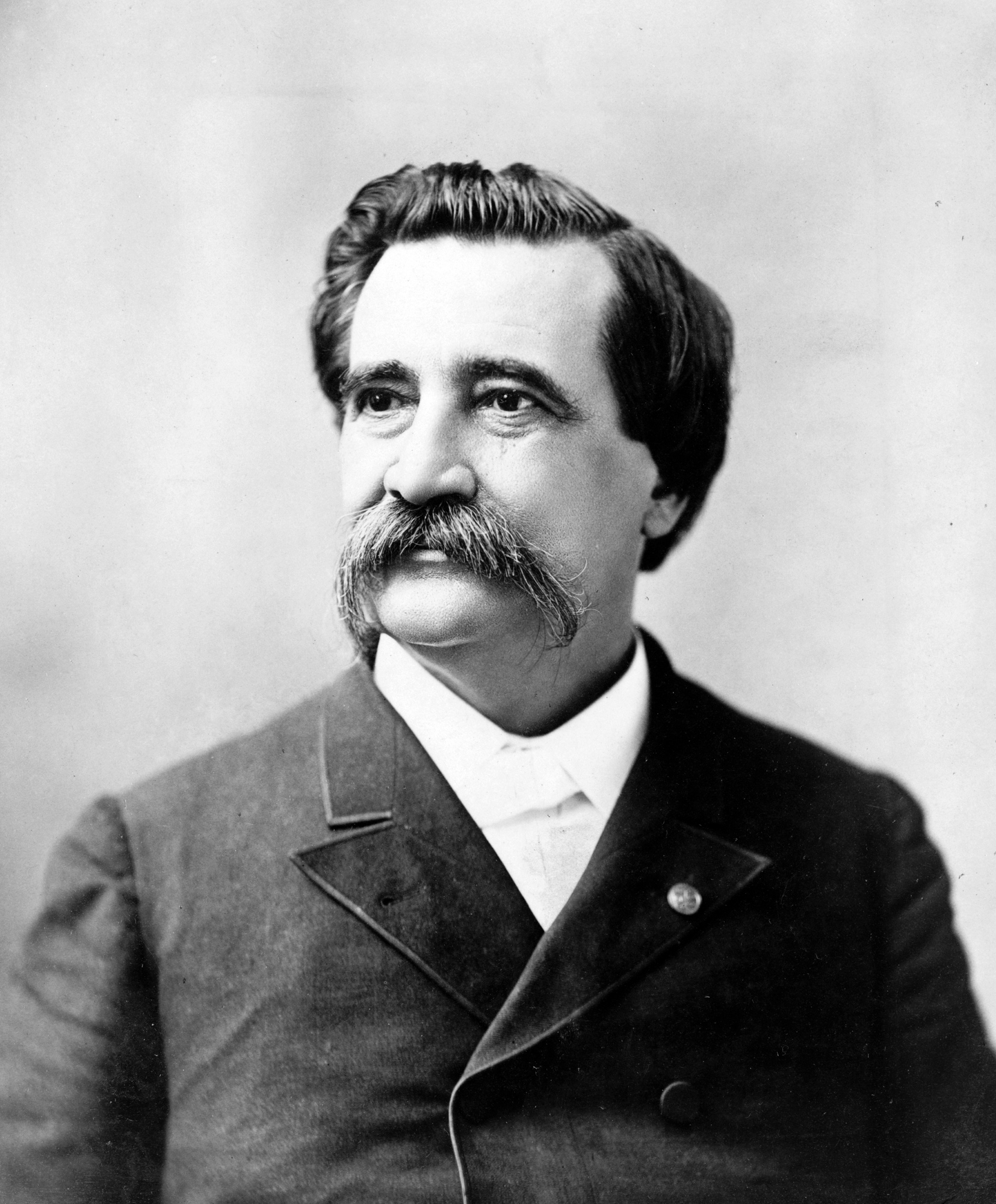
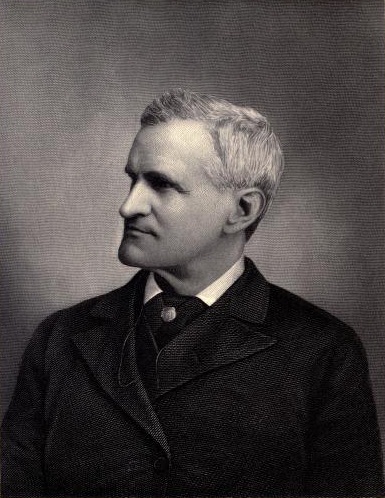
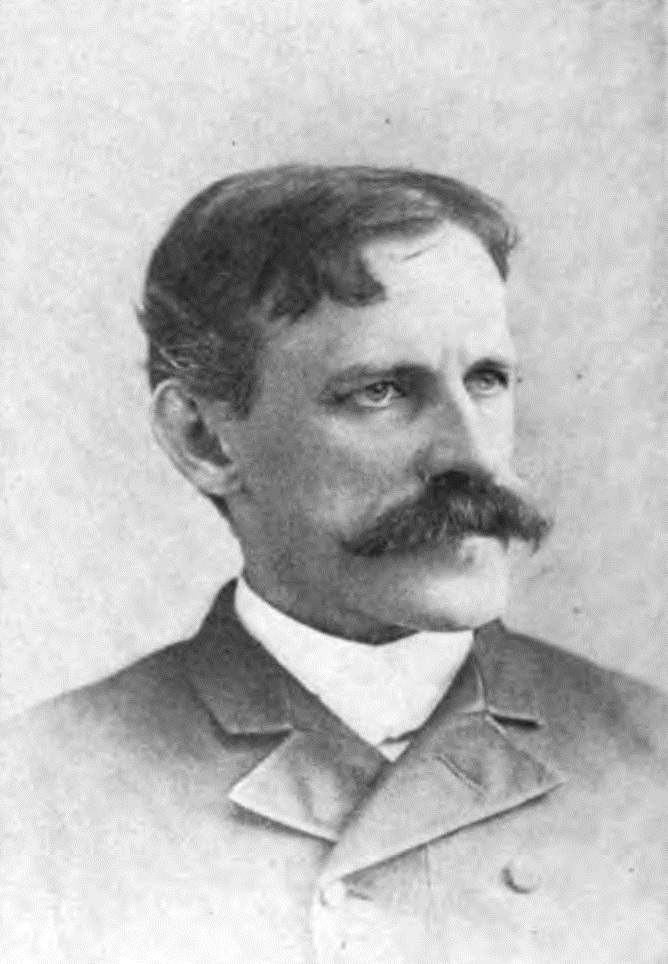
French Ensor Chadwick was a distinguished United States Navy officer known for his pivotal role in the naval reform movement following the Civil War. Born in Morgantown, West Virginia, he attended the United States Naval Academy, graduating fourth in his class in 1864. His early career included service on various warships, where he quickly rose through the ranks, becoming a Lieutenant Commander by 1871. Chadwick's commitment to naval education was evident during his tenure as an instructor at the Naval Academy and later as President of the Naval War College from 1900 to 1903. His efforts in reforming naval training and education significantly influenced the modernization of the U.S. Navy during a transformative period in its history. Chadwick's legacy extends beyond his military service; he was instrumental in developing training protocols for sailors, drawing insights from his studies in Britain, France, and Germany. His work contributed to the establishment of a training squadron at Newport, Rhode Island, which enhanced the Navy's operational readiness. Throughout his career, he was known for his analytical approach, exemplified by his investigation into maritime safety after the Galatea incident in 1881. Chadwick's contributions to naval education and reform left a lasting impact on the U.S. Navy, shaping future generations of naval officers and ensuring a more prepared and capable fleet.
Books from the author


Link to this page
Add a free, dofollow link to Lex on your blog, forum, syllabus, or reading list.

<a href="https://lex-books.com/author/french-ensor-chadwick"><img src="https://lex-books.com/badges/read-on-lex.svg" alt="French Ensor Chadwick on Lex" width="160" height="40"></a>[](https://lex-books.com/author/french-ensor-chadwick)[url=https://lex-books.com/author/french-ensor-chadwick][img]https://lex-books.com/badges/read-on-lex.svg[/img][/url]French Ensor Chadwick on Lex: https://lex-books.com/author/french-ensor-chadwick