
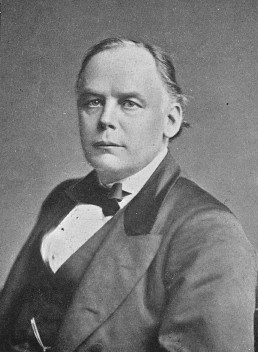
Frederick Temple
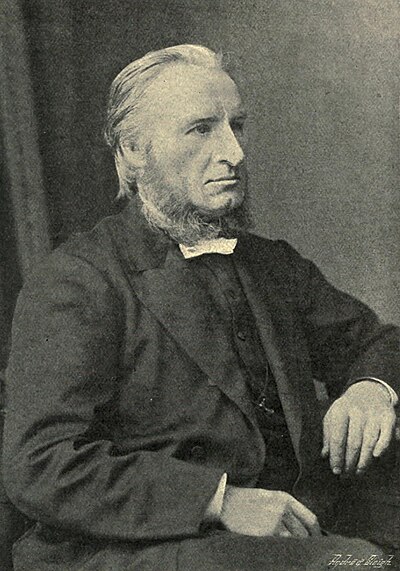
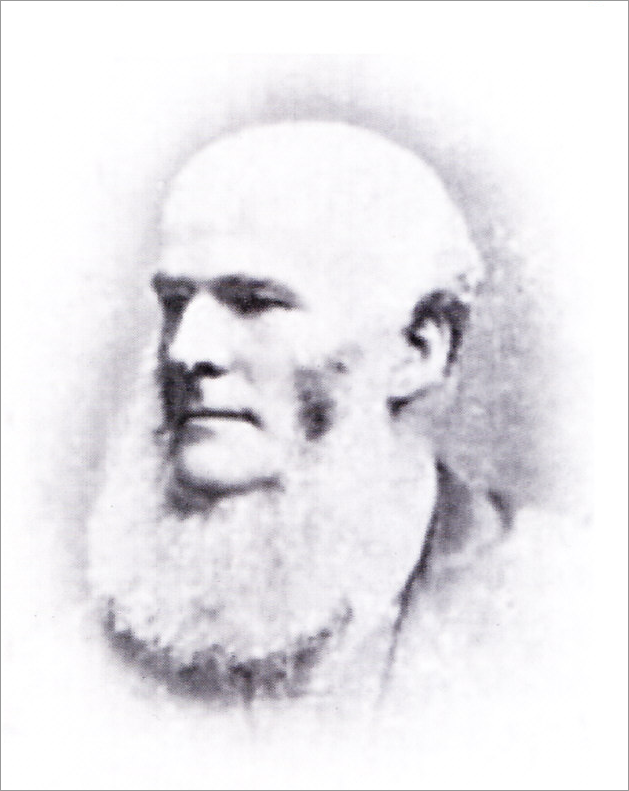
Frederick Temple was an influential English academic and churchman, known for his significant roles within the Anglican Church. Born in 1821, he dedicated much of his life to education and religious leadership, serving as Bishop of Exeter from 1869 to 1885, Bishop of London from 1885 to 1896, and ultimately as Archbishop of Canterbury from 1896 until his death in 1902. Temple was a prominent advocate for educational reform and was instrumental in the establishment of the National Society for Promoting Religious Education, which aimed to improve the quality of education in church schools. His tenure as Archbishop was marked by a commitment to social issues and the modernization of the Church of England. Temple's theological writings and sermons often addressed the challenges of contemporary society, emphasizing the importance of faith in addressing social justice. His legacy includes a focus on the integration of faith and education, as well as a willingness to engage with the pressing issues of his time, such as poverty and education reform. Temple's contributions to both the church and society have left a lasting impact, shaping the direction of Anglicanism in the late 19th century.
Famous Quotes
View all 7 quotes“Fellow-citizens, pardon me, allow me to ask, why am I called upon to speak here to-day? What have I, or those I represent, to do with your national independence? Are the great principles of political freedom and of natural justice, embodied in that Declaration of Independence, extended to us? And am I, therefore, called upon to bring our humble offering to the national altar, and to confess the benefits and express devout gratitude for the blessings resulting from your independence to us?I am not included within the pale of this glorious anniversary! Your high independence only reveals the immeasurable distance between us. The blessings in which you this day rejoice are not enjoyed in common. The rich inheritance of justice, liberty, prosperity, and independence bequeathed by your fathers is shared by you, not by me. The sunlight that brought life and healing to you has brought stripes and death to me. This Fourth of July is yours, not mine. You may rejoice, I must mourn. To drag a man in fetters into the grand illuminated temple of liberty, and call upon him to join you in joyous anthems, were inhuman mockery and sacrilegious irony. Do you mean, citizens, to mock me, by asking me to speak today?What, to the American slave, is your Fourth of July? I answer: a day that reveals to him, more than all other days of the year, the gross injustice and cruelty to which he is a constant victim. To him, your celebration is a sham; your boasted liberty, an unholy license; your national greatness, swelling vanity; your sounds of rejoicing are empty and heartless; your denunciation of tyrants, brass fronted impudence; your shouts of liberty and equality, hollow mockery; your prayers and hymns, your sermons and thanksgivings, with all your religious parade and solemnity, are, to Him, mere bombast, fraud, deception, impiety, and hypocrisy”
“Words written fifty years ago, a hundred years ago, a thousand years ago, can have as much of this power today as ever they had it then to come alive for us and in us and to make us more alive within ourselves. That, I suppose, is the final mystery as well as the final power of words: That not even across great distances of time and space do they ever lose their capacity for becoming incarnate. And when these words tell of virtue and nobility, when they move closer to that truth and gentleness of spirit by which we become fully human, the reading of them is sacramental; and a library is as holy a place as any temple is holy because through the words which are treasured in it the Word itself becomes flesh again and again and dwells among us and within us, full of grace and truth.Frederick Buechner, A Room Called Remember, in an essay called The Speaking and Writing of Words.””
“It is a curious thought that the earliest description of the steam-engine in antiquity describes its use for the magic opening of the temple doors, when the priests lit the fires on the altars, to deceive the populace into ascribing to a deity what was the work of the engineer. In much the same way today, the almost boundless fecundity of the creative scientific discoveries and inventions of the age are being appropriated for the purpose of the mysterious opening of doors into the holy of holies of the temples of mammon by a hierarchy of imposters and humbugs, whom it is the first task of a sane civilization to expose and clear out.””
Books from the author





Link to this page
Add a free, dofollow link to Lex on your blog, forum, syllabus, or reading list.

<a href="https://lex-books.com/author/frederick-temple"><img src="https://lex-books.com/badges/read-on-lex.svg" alt="Frederick Temple on Lex" width="160" height="40"></a>[](https://lex-books.com/author/frederick-temple)[url=https://lex-books.com/author/frederick-temple][img]https://lex-books.com/badges/read-on-lex.svg[/img][/url]Frederick Temple on Lex: https://lex-books.com/author/frederick-temple