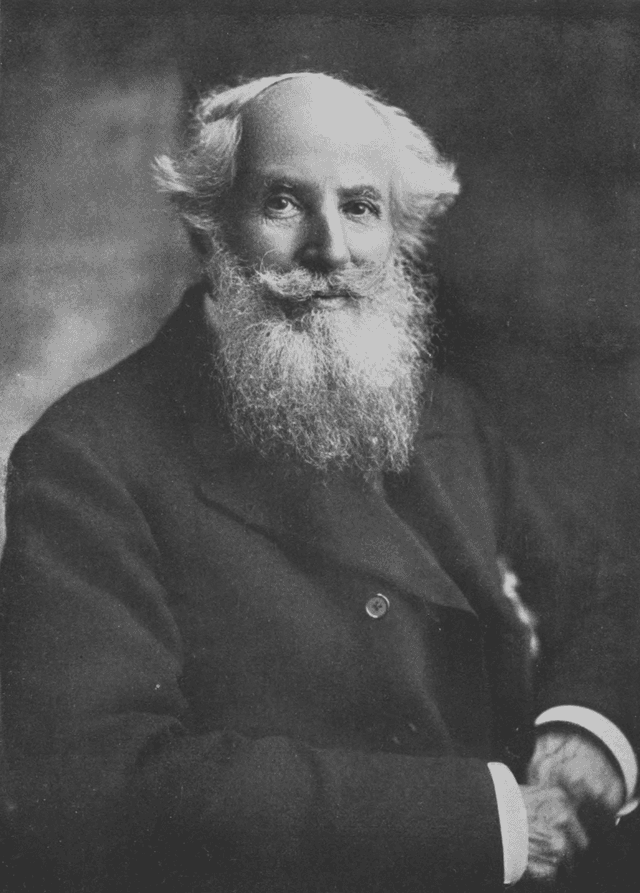
Frederick James Furnivall
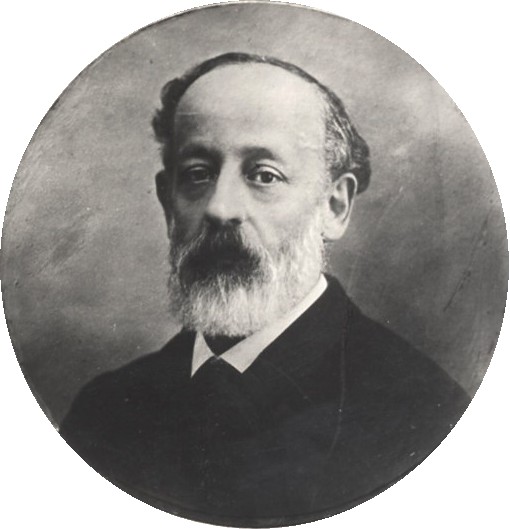
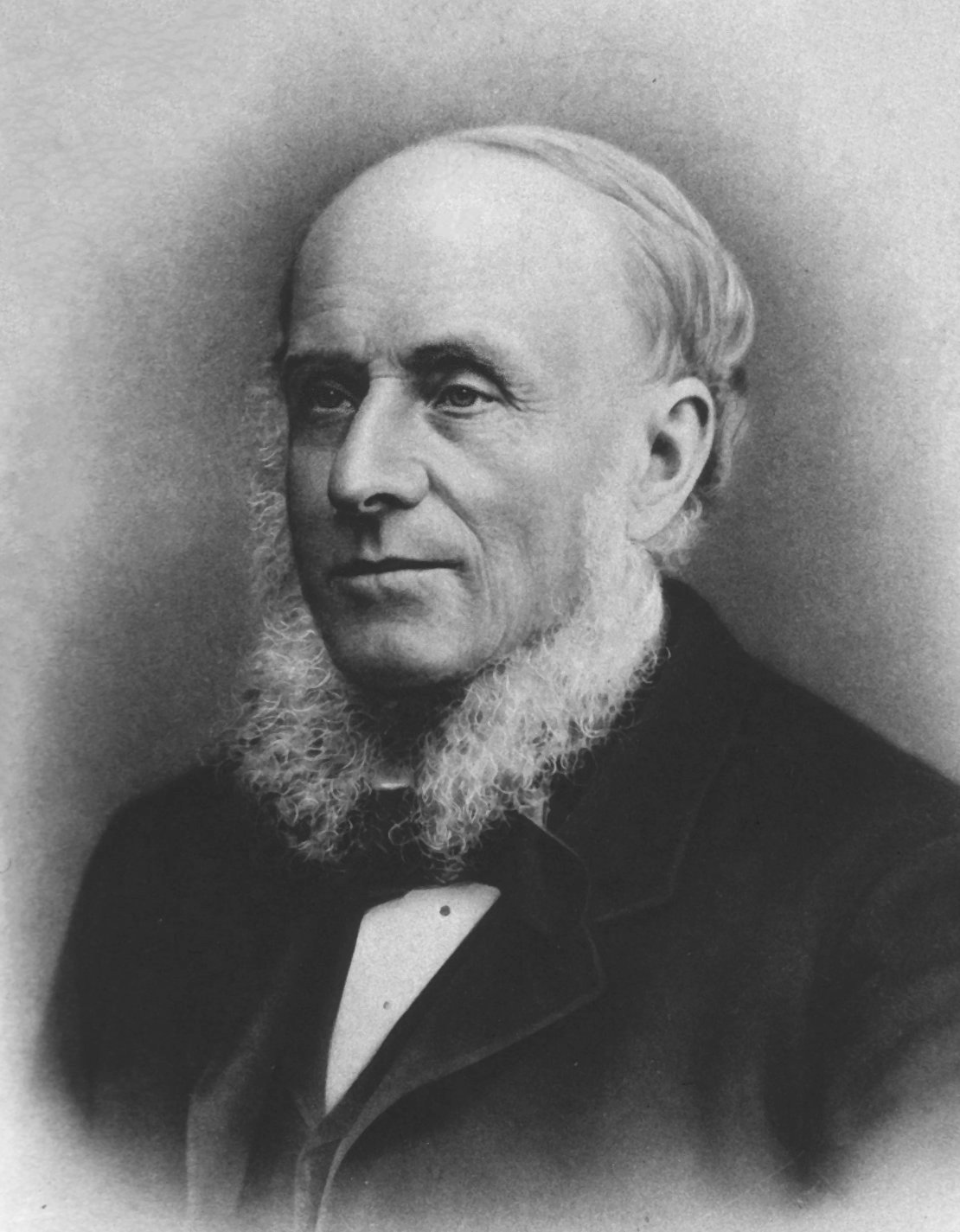
Frederick James Furnivall was an influential English philologist and a key figure in the study of early English literature. He is best remembered for his role as a co-creator of the New English Dictionary, which laid the groundwork for modern lexicography. Furnivall's editorial prowess was exemplified in his parallel text edition of Geoffrey Chaucer's *The Canterbury Tales*, a work that showcased his commitment to making classic literature accessible and comprehensible to a broader audience. His efforts in this area not only advanced the field of philology but also set a standard for future literary scholarship. Beyond his editorial contributions, Furnivall was a dedicated educator and social reformer. He co-founded the London Working Men's College, where he taught and advocated for the education of the working class, reflecting his belief in the power of knowledge to combat social injustice. His founding of various learned societies focused on early English literature further underscored his passion for the subject and his desire to foster a community of scholars. Furnivall's legacy endures through his extensive contributions to philology and literature, as well as his unwavering commitment to social reform and education.
Famous Quotes
View all 1 quotes“No one accused Frederick James Furnivall of averageness, and his career highlights the ups and downs of editorial scholarship. As eccentric as he was energetic, a Christian socialist turned agnostic, Furnivall gained a reputation for hot pink neckties, sculling on the Thames with shopgirls, and hours toiling over manuscripts in the British Museum.””
Books from the author

Link to this page
Add a free, dofollow link to Lex on your blog, forum, syllabus, or reading list.

<a href="https://lex-books.com/author/frederick-james-furnivall"><img src="https://lex-books.com/badges/read-on-lex.svg" alt="Frederick James Furnivall on Lex" width="160" height="40"></a>[](https://lex-books.com/author/frederick-james-furnivall)[url=https://lex-books.com/author/frederick-james-furnivall][img]https://lex-books.com/badges/read-on-lex.svg[/img][/url]Frederick James Furnivall on Lex: https://lex-books.com/author/frederick-james-furnivall