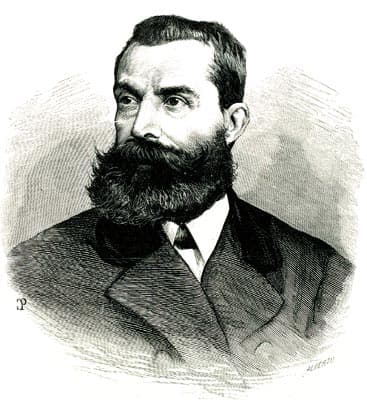
João de Deus
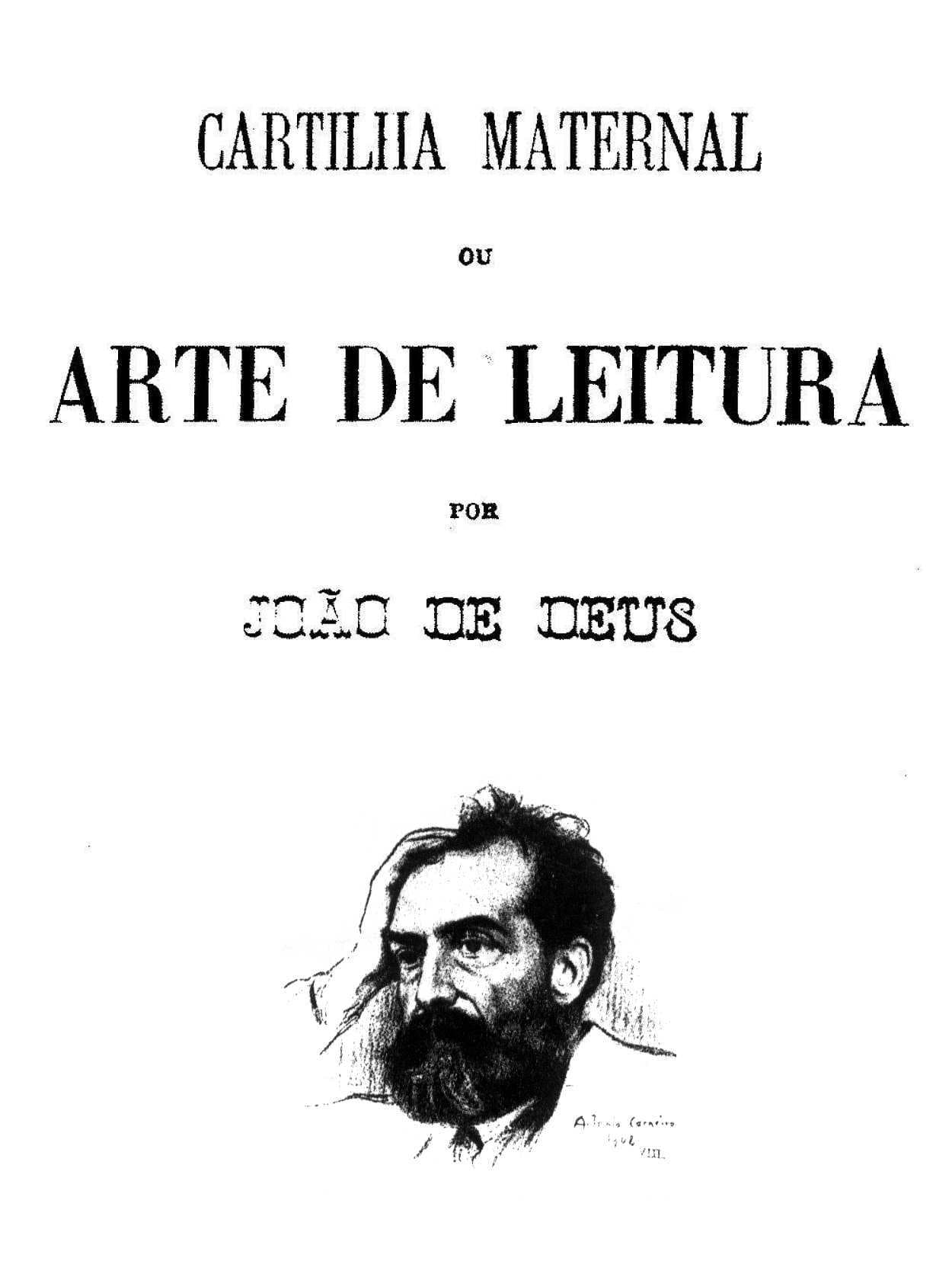
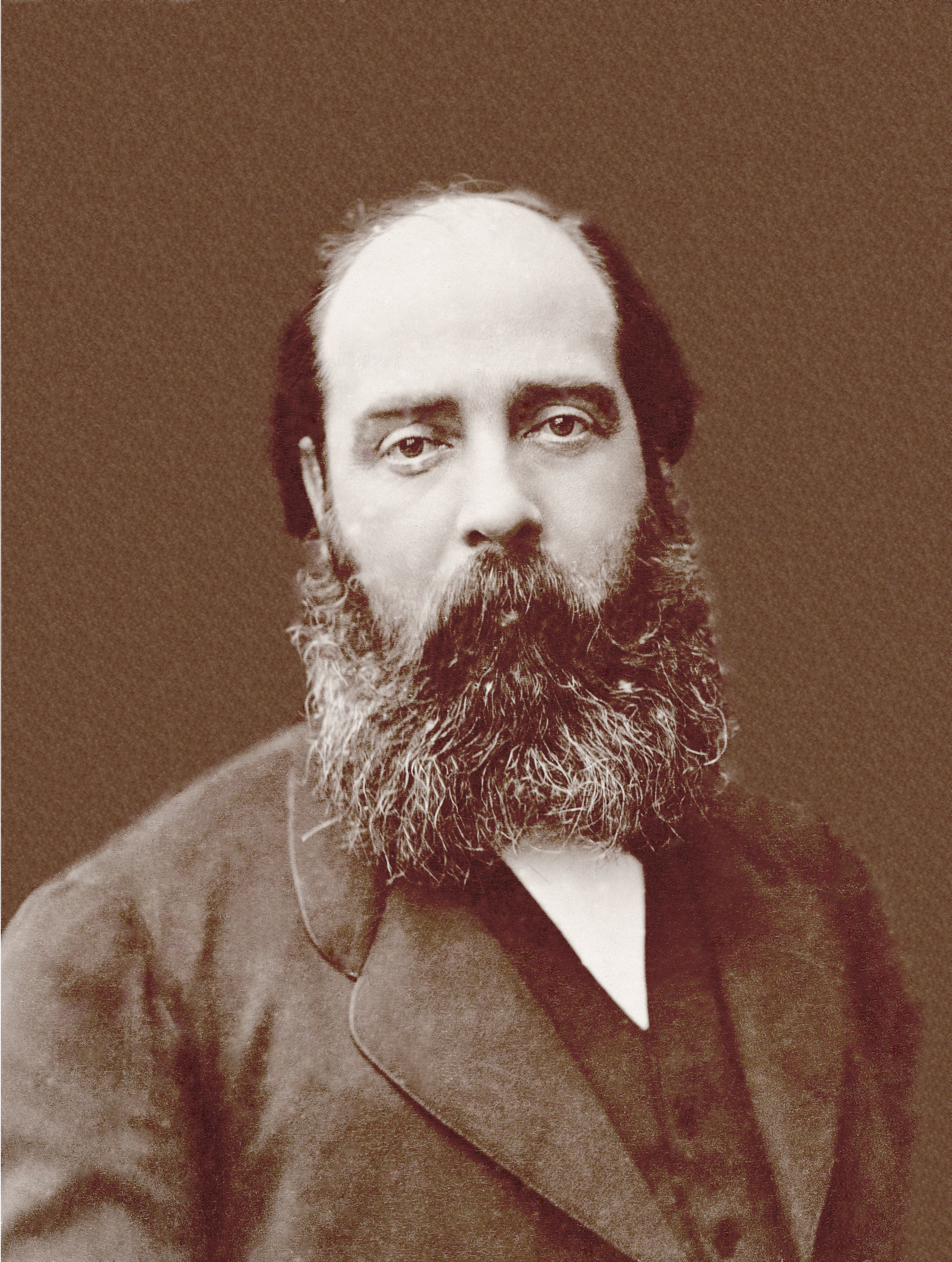
João de Deus was a Portuguese poet and educator, celebrated for his contributions to children's literature and educational reform in the 19th century. Born in a time when Portugal was undergoing significant social and political changes, he dedicated much of his life to the promotion of literacy and the importance of education for the youth. His notable works, such as "Flores Do Campo" and "Cartilha Maternal; Ou, Arte De Leitura," reflect his commitment to nurturing young minds through accessible and engaging literature. "Flores Do Campo," a collection of poems, showcases his lyrical style and deep appreciation for nature, while "Cartilha Maternal" serves as an essential reading primer that emphasizes the joy of learning and the value of education in shaping character and intellect. In addition to his literary pursuits, João de Deus was instrumental in advocating for educational reforms in Portugal, believing that literature could play a pivotal role in the development of moral and ethical values in children. His work, "Ramo De Floresacompanhado De Varias Criticas Das Flores Do Campo," further illustrates his literary influence, as it not only critiques his own poetry but also engages with the broader literary community. Through his writings and educational initiatives, João de Deus left a lasting legacy in Portuguese literature and education, inspiring future generations to appreciate the beauty of language and the importance of learning.
Famous Quotes
View all 10 quotes“O senhor sabe: sertão é onde manda quem é forte, com as astúcias. Deus mesmo, quando vier, que venha armado! E bala é um pedacinhozinho de metal...””
“Existem várias maneiras de destruir um assunto, de deteriorar a realidade até não sobrar coisa nenhuma. Passa-se com as palavras o mesmo que com as coisas: quantas mais vezes as proferimos menos substância têm, as palavras e as coisas, porque as palavras podem tirar ou roubar às coisas o seu sentido. [...] Imagina agora o que acontece quando as palavras se reportam somente a si próprias. As palavras Deus ou Amor, por exemplo. Imagina o género de esvaziamento que acontece quando as usamos de maneira desenfreada e as pronunciamos milhares ou milhões de vezes todos os dias. 'Amo-te'. 'Amo-te'. 'Amo-te'. 'Meu Deus'. 'Meu Deus'. 'Meu Deus'. Palavras que não têm qualquer referente no mundo que lhes devolva o sentido. Palavras que são somente isso: a junção aleatória de vogais e consoantes; e, contudo, palavras que movem montanhas.””
“E por isso acreditava também na grande responsabilidade do livre-arbítrio. Se não houvesse livre-arbítrio, o homem não seria nada, não poderia aspirar a nenhuma dignidade, pois que não teria responsabilidade de que, se queremos que o mundo melhore, devemos fazer por onde ele melhore, já que o mundo é nosso, é do homem e a ele foi dado. Não se pode querer que Deus resolva os problemas do homem, porque, se o fizesse, retiraria do homem a responsabilidade e, por consequência, o livre-arbítrio.””
Books from the author

Link to this page
Add a free, dofollow link to Lex on your blog, forum, syllabus, or reading list.

<a href="https://lex-books.com/author/joão-de-deus"><img src="https://lex-books.com/badges/read-on-lex.svg" alt="João de Deus on Lex" width="160" height="40"></a>[](https://lex-books.com/author/joão-de-deus)[url=https://lex-books.com/author/joão-de-deus][img]https://lex-books.com/badges/read-on-lex.svg[/img][/url]João de Deus on Lex: https://lex-books.com/author/joão-de-deus