
Francis Godwin
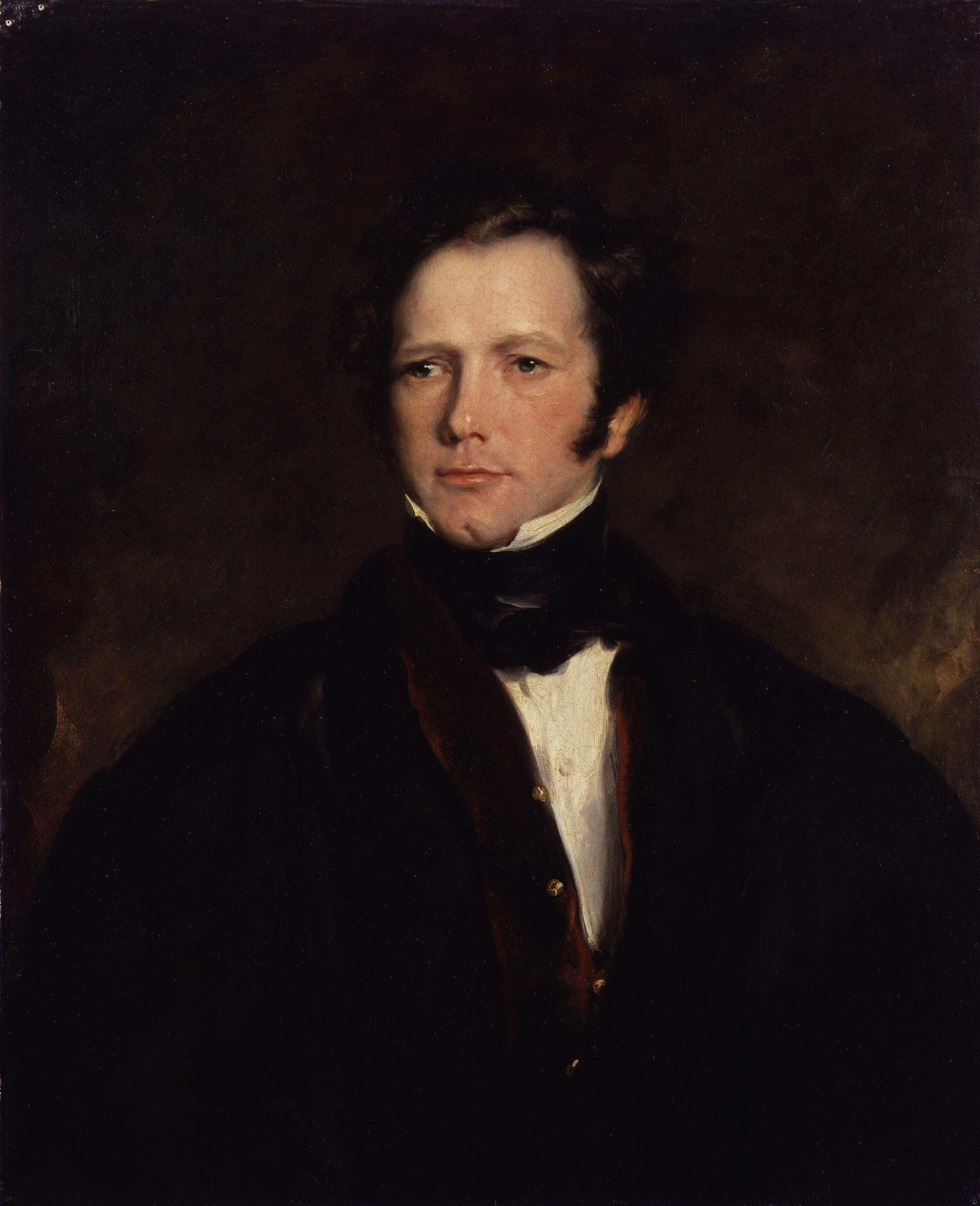
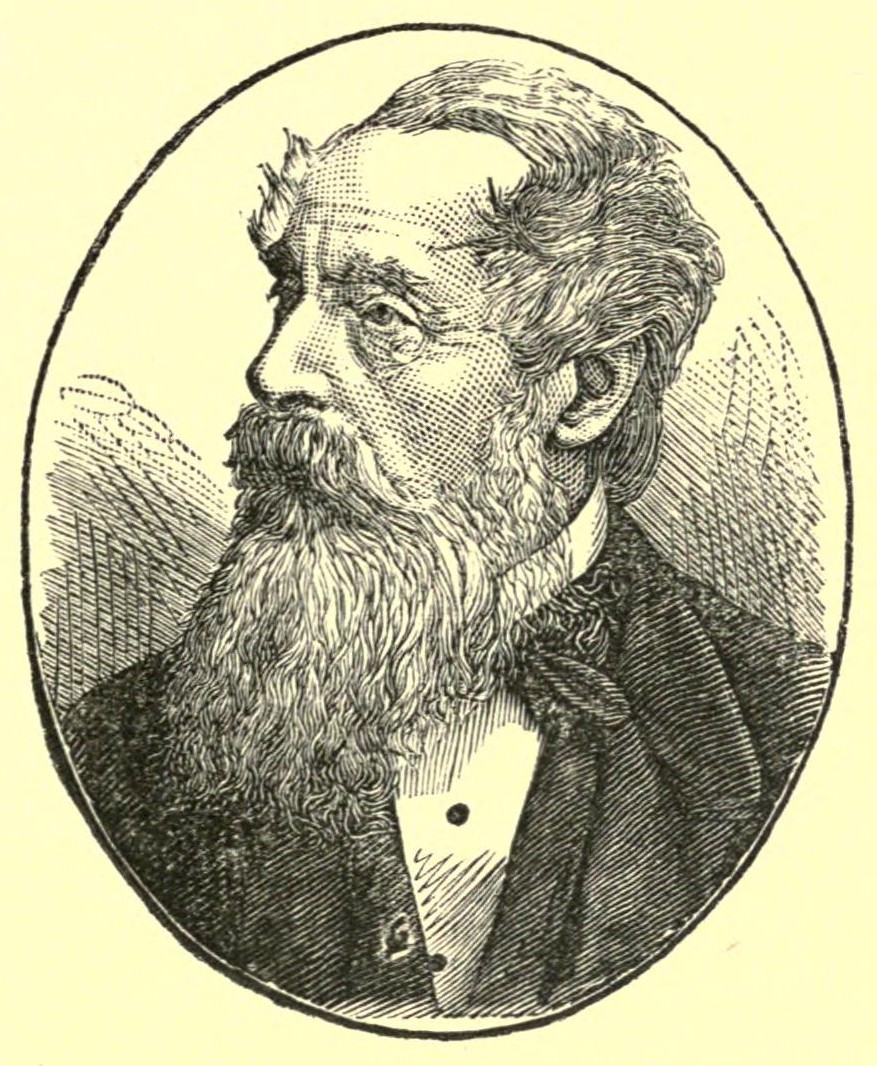
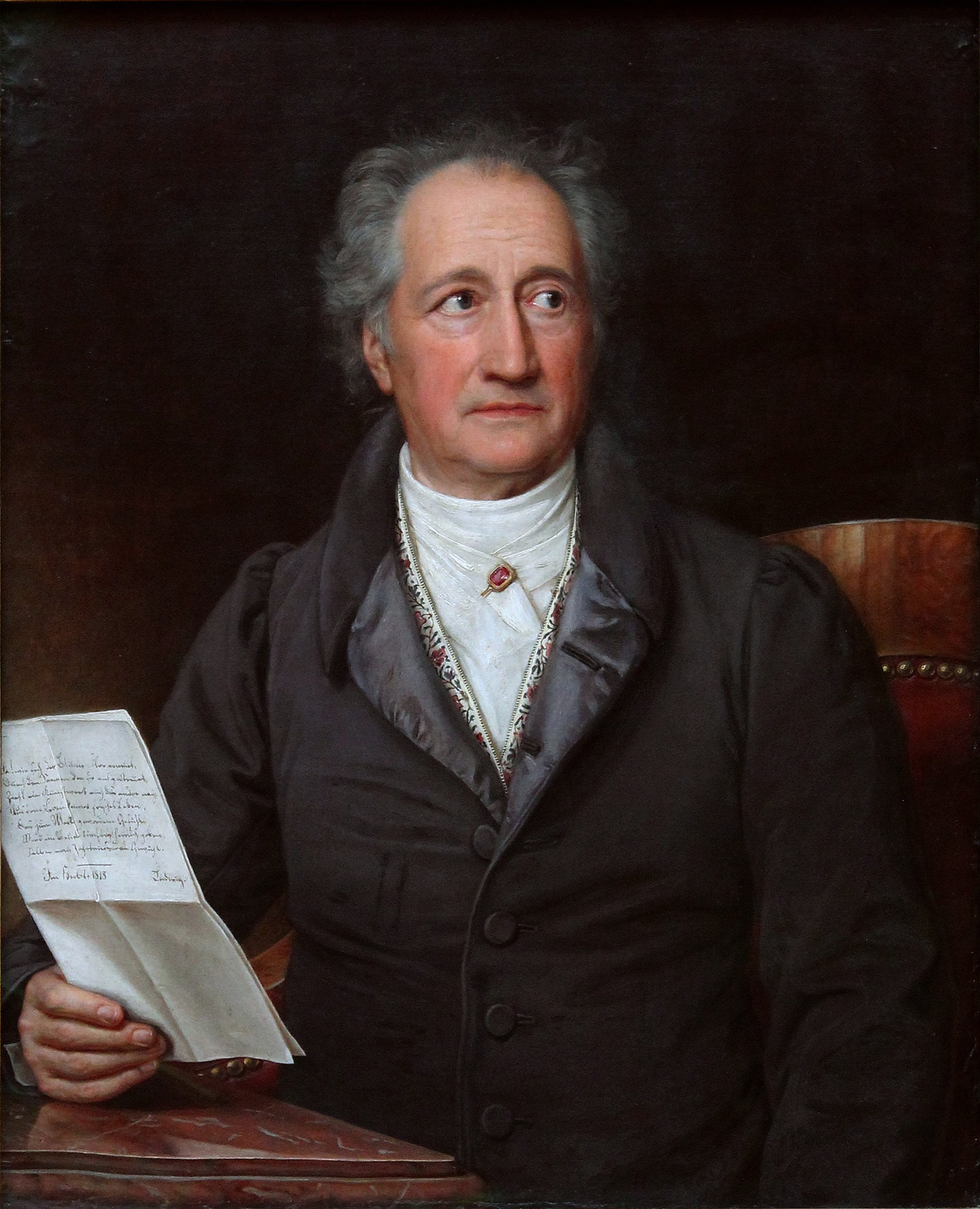
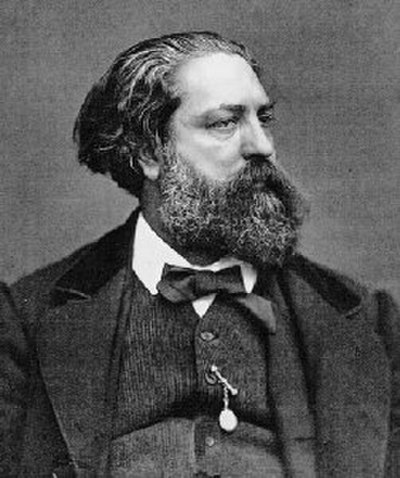
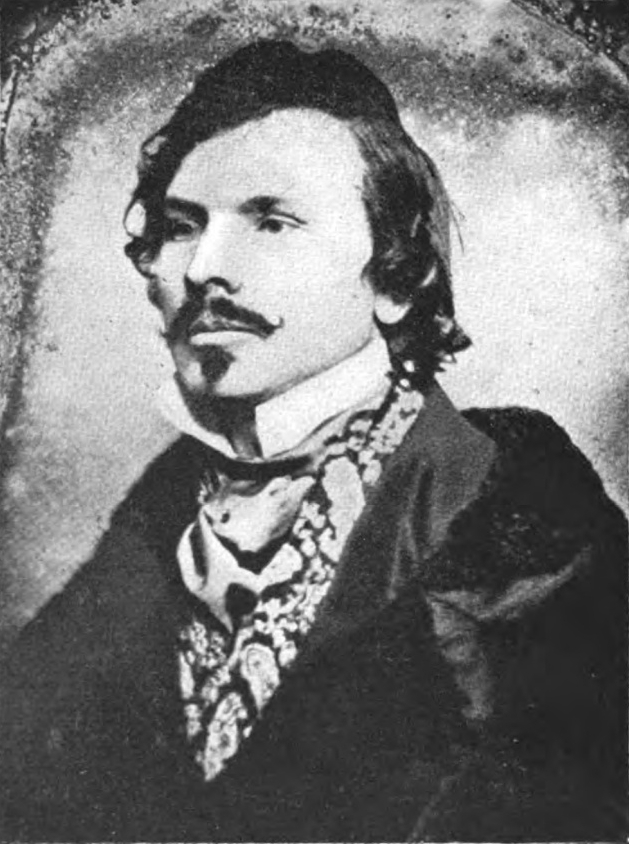
Francis Godwin was an English historian, science fiction pioneer, and cleric who served as Bishop of Llandaff and Hereford. Born in 1562, he was educated at Christ Church, Oxford, where he developed a keen interest in history and literature. Godwin's most notable work, 'The Man in the Moone,' published in 1638, is often regarded as one of the earliest examples of science fiction. In this imaginative tale, he explores themes of space travel and extraterrestrial life, presenting a narrative that combines elements of adventure and philosophical inquiry, which would later influence the genre significantly. In addition to his literary contributions, Godwin was a respected historian, known for his writings on the lives of English bishops and his historical accounts of the Church. His dual role as a cleric and author allowed him to weave theological insights into his narratives, enriching the literary landscape of his time. Godwin's legacy endures not only through his historical works but also as a forerunner of speculative fiction, paving the way for future writers in the genre and leaving an indelible mark on the evolution of narrative imagination in literature.
Famous Quotes
View all 2 quotes“if it please Heaven that I return home safe to my Country, and give perfect Instructions how those almost incredible and impossible Acquirements may be imparted to the World. You shall then see Men flying in the Air, from one Place to another, you shall then be able to send Messages many hundred Miles in an Instant, and receive Answers immediately”
“I found then by Experience, what no Philosopher ever dreamt of, namely, that those Things we call heavy do not fall towards the Center of the Earth as their natural Place, but are drawn by a secret Property of the Globe of the Earth, or rather something within it, as the Load-stone draweth Iron, which is within the Compass of its attractive Beams.”
Books from the author





Link to this page
Add a free, dofollow link to Lex on your blog, forum, syllabus, or reading list.

<a href="https://lex-books.com/author/francis-godwin"><img src="https://lex-books.com/badges/read-on-lex.svg" alt="Francis Godwin on Lex" width="160" height="40"></a>[](https://lex-books.com/author/francis-godwin)[url=https://lex-books.com/author/francis-godwin][img]https://lex-books.com/badges/read-on-lex.svg[/img][/url]Francis Godwin on Lex: https://lex-books.com/author/francis-godwin