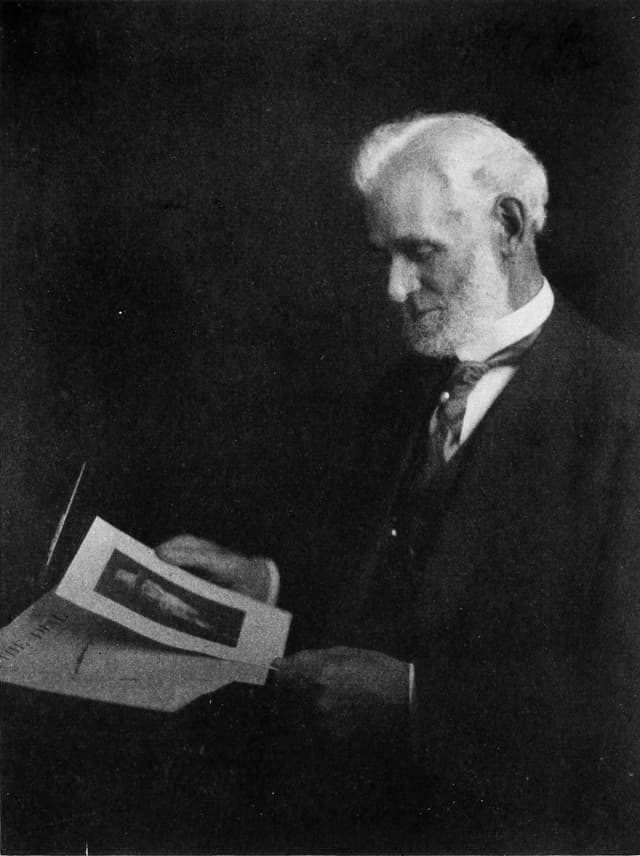
Francis F. Browne
Francis F. Browne was an American author and journalist, best known for his contributions to literature and his role in the development of the American short story. Born in 1843, Browne's early life was marked by a keen interest in writing and storytelling, which he pursued throughout his career. He gained prominence as a writer for various periodicals, where his keen observations and engaging prose captivated readers. Browne's literary works often explored themes of human experience and social issues, reflecting the complexities of life in America during his time. Among his notable works is "The New York Times" series, which showcased his talent for capturing the essence of urban life. Browne's writing was characterized by its vivid imagery and emotional depth, earning him a place among the influential writers of his era. His contributions to the short story genre helped pave the way for future American authors, as he skillfully blended narrative techniques that would later be seen in the works of writers like Ernest Hemingway and F. Scott Fitzgerald. Browne's legacy endures through his impact on American literature, particularly in the realm of short fiction, where his innovative storytelling continues to inspire writers today.
Books from the author








Link to this page
Add a free, dofollow link to Lex on your blog, forum, syllabus, or reading list.

<a href="https://lex-books.com/author/francis-f-browne"><img src="https://lex-books.com/badges/read-on-lex.svg" alt="Francis F. Browne on Lex" width="160" height="40"></a>[](https://lex-books.com/author/francis-f-browne)[url=https://lex-books.com/author/francis-f-browne][img]https://lex-books.com/badges/read-on-lex.svg[/img][/url]Francis F. Browne on Lex: https://lex-books.com/author/francis-f-browne