
François Rabelais
François Rabelais was a French Renaissance writer, physician, and humanist best known for his satirical novels that explore the complexities of human nature and society. His most famous works, 'Gargantua' and 'Pantagruel,' are characterized by their exuberant humor, rich language, and a blend of fantasy and reality. Through the adventures of the giant Gargantua and his son Pantagruel, Rabelais delved into themes of education, religion, and the human condition, often challenging the conventions of his time and critiquing the established social order. Rabelais's writing is notable for its boldness and originality, making him a precursor to modern satire and a significant figure in the development of the novel as a literary form. His works were often controversial, leading to censorship and condemnation from the Church, yet they also laid the groundwork for later literary movements that embraced humanism and individualism. Rabelais's legacy endures, as he is celebrated not only for his literary contributions but also for his insights into the human experience, which continue to resonate in contemporary literature.
Famous Quotes
View all 18 quotes“I go to seek a Great Perhaps.””
“Gestures, in love, are incomparably more attractive, effective and valuable than words.””
“A mother-in-law dies only when another devil is needed in hell.””
Books from the author








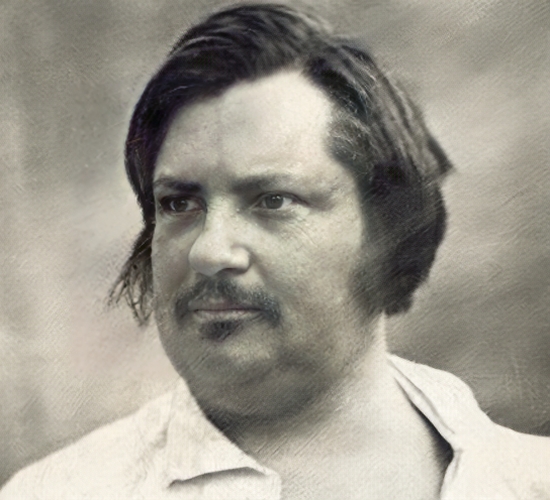
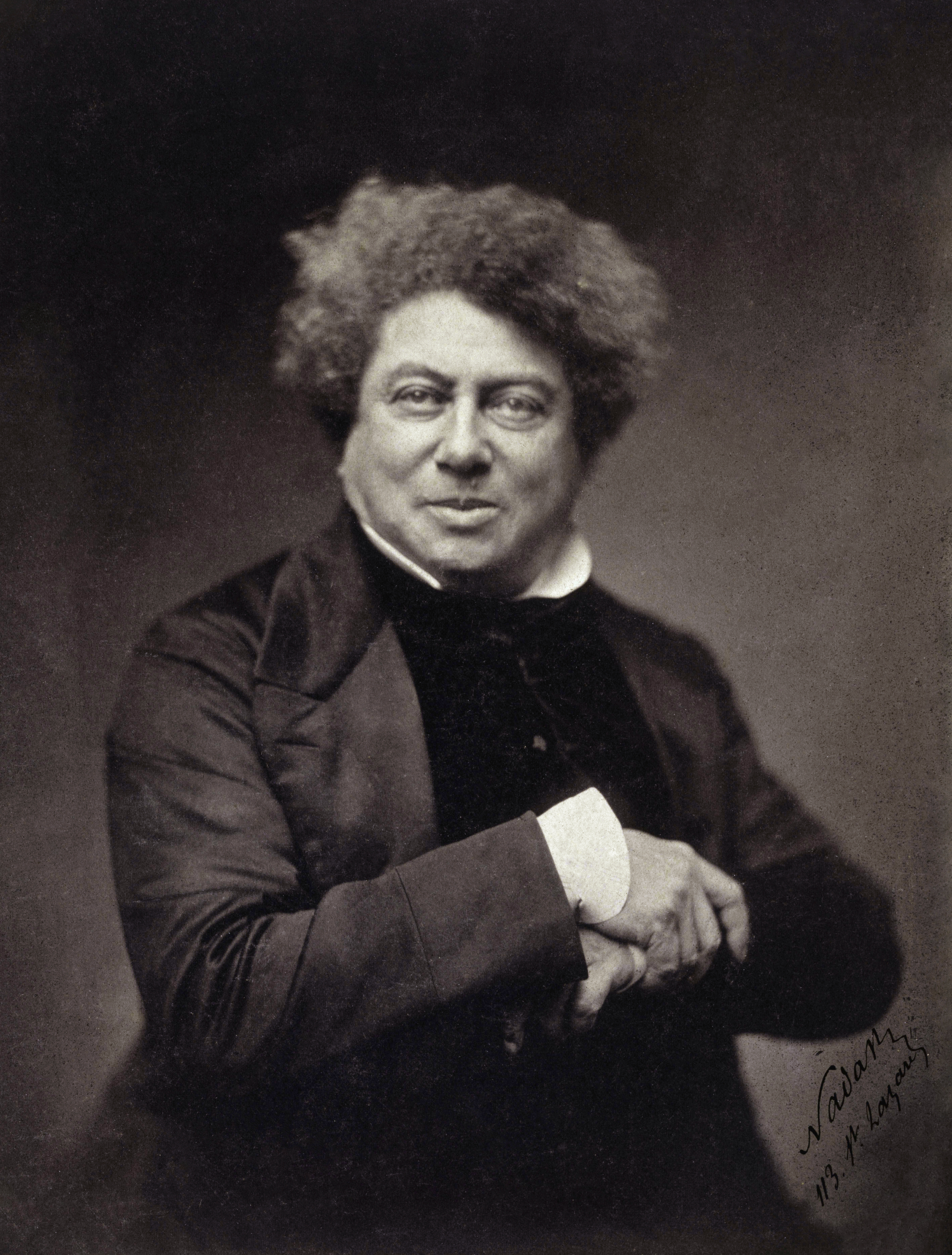
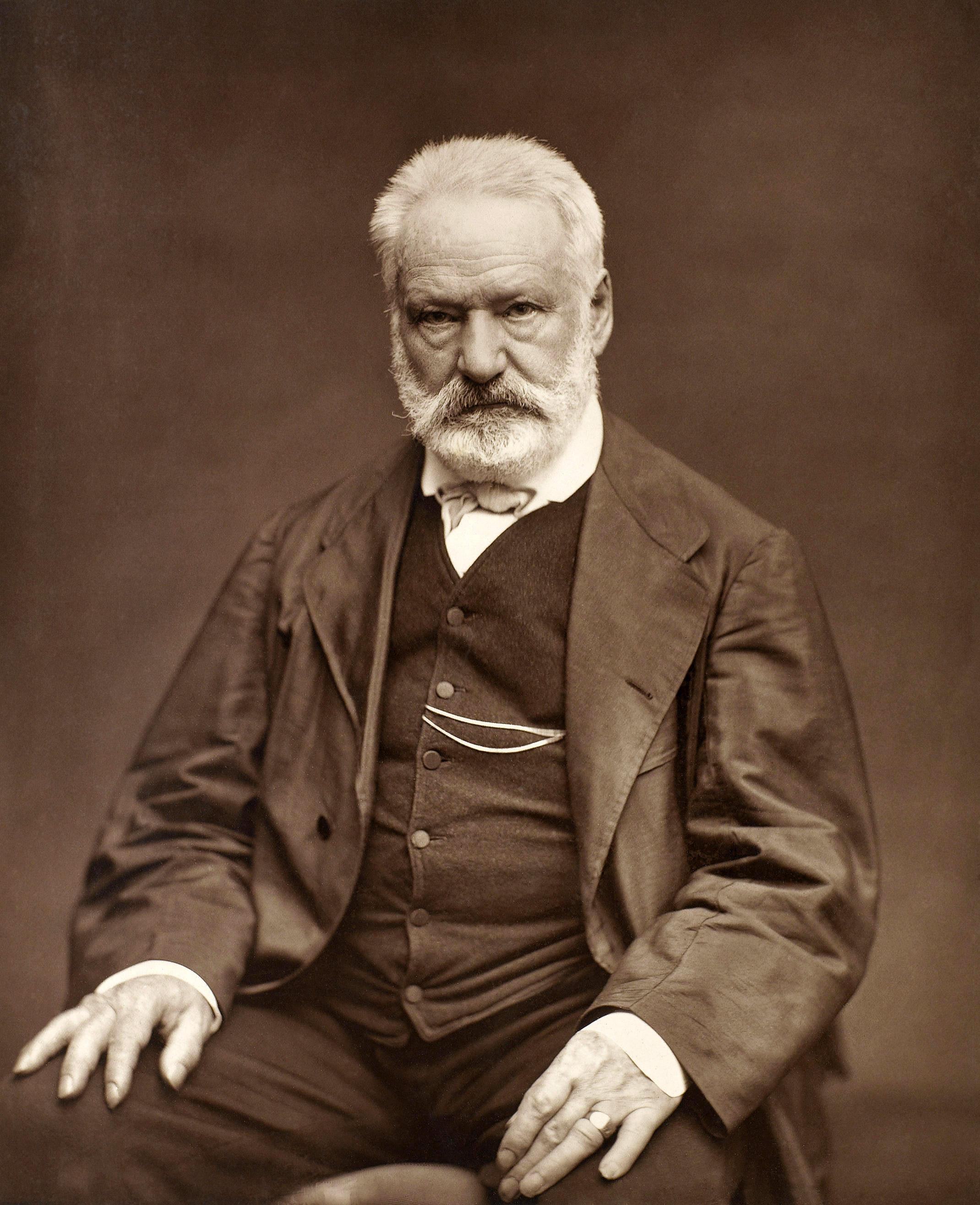
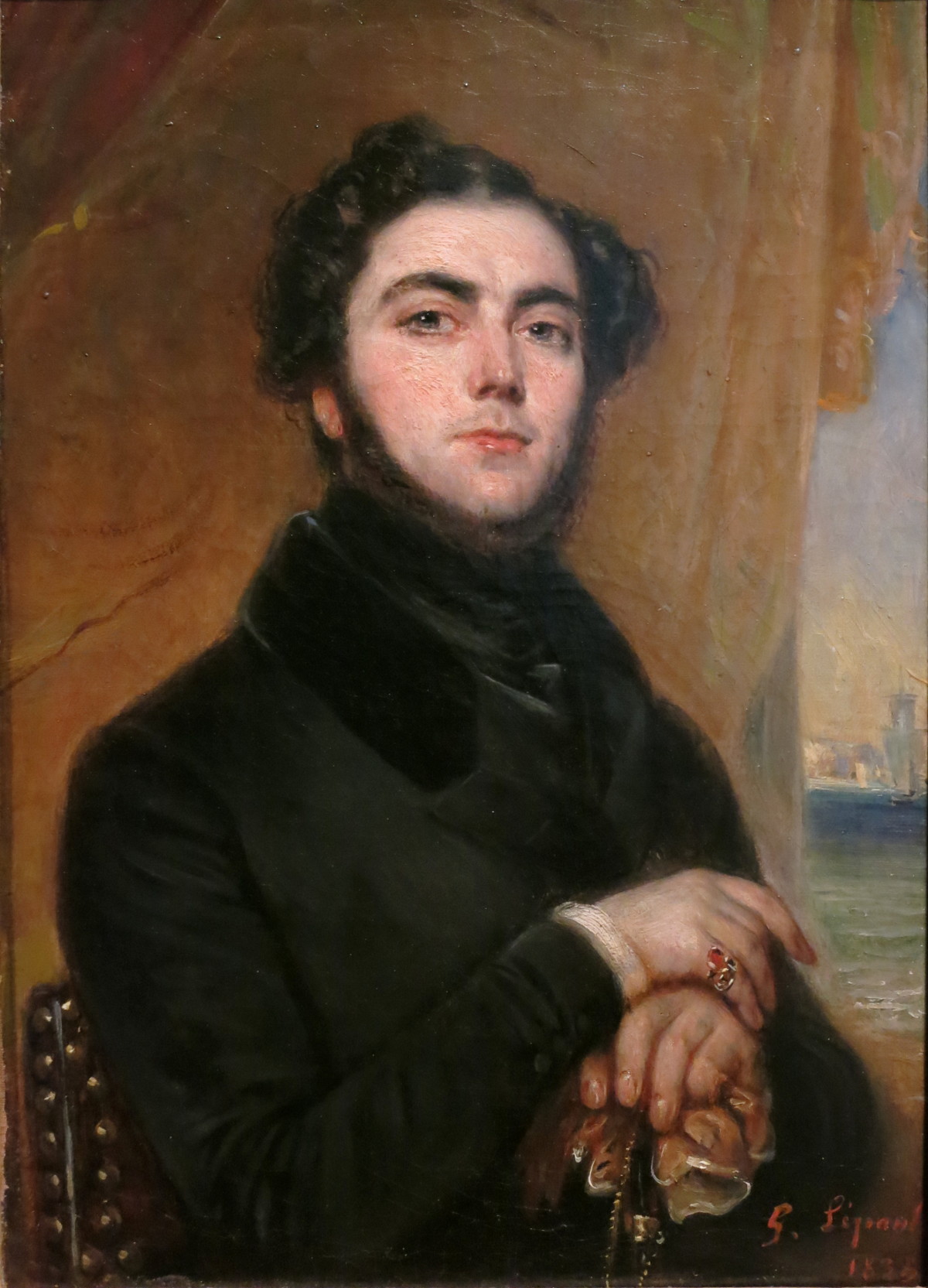


Link to this page
Add a free, dofollow link to Lex on your blog, forum, syllabus, or reading list.

<a href="https://lex-books.com/author/françois-rabelais"><img src="https://lex-books.com/badges/read-on-lex.svg" alt="François Rabelais on Lex" width="160" height="40"></a>[](https://lex-books.com/author/françois-rabelais)[url=https://lex-books.com/author/françois-rabelais][img]https://lex-books.com/badges/read-on-lex.svg[/img][/url]François Rabelais on Lex: https://lex-books.com/author/françois-rabelais