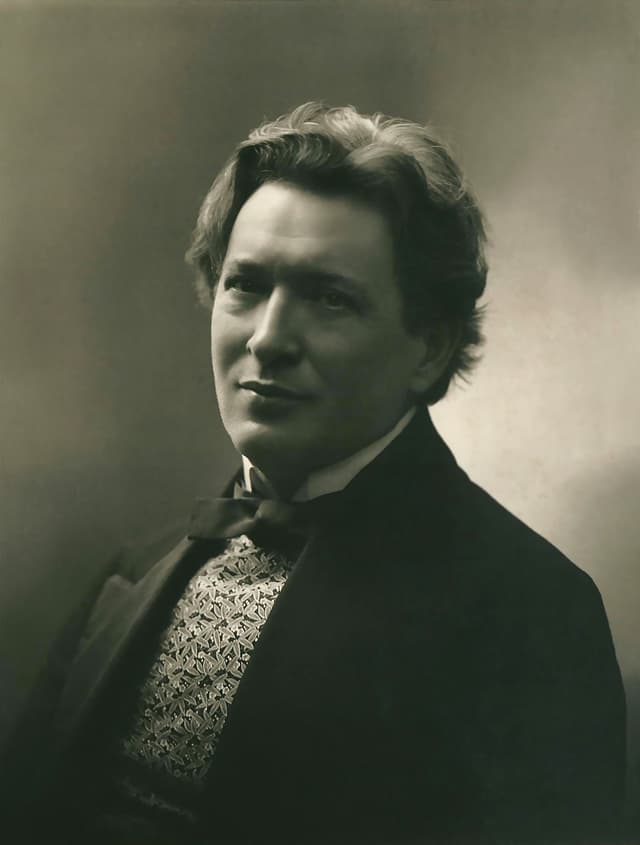
Ferruccio Busoni
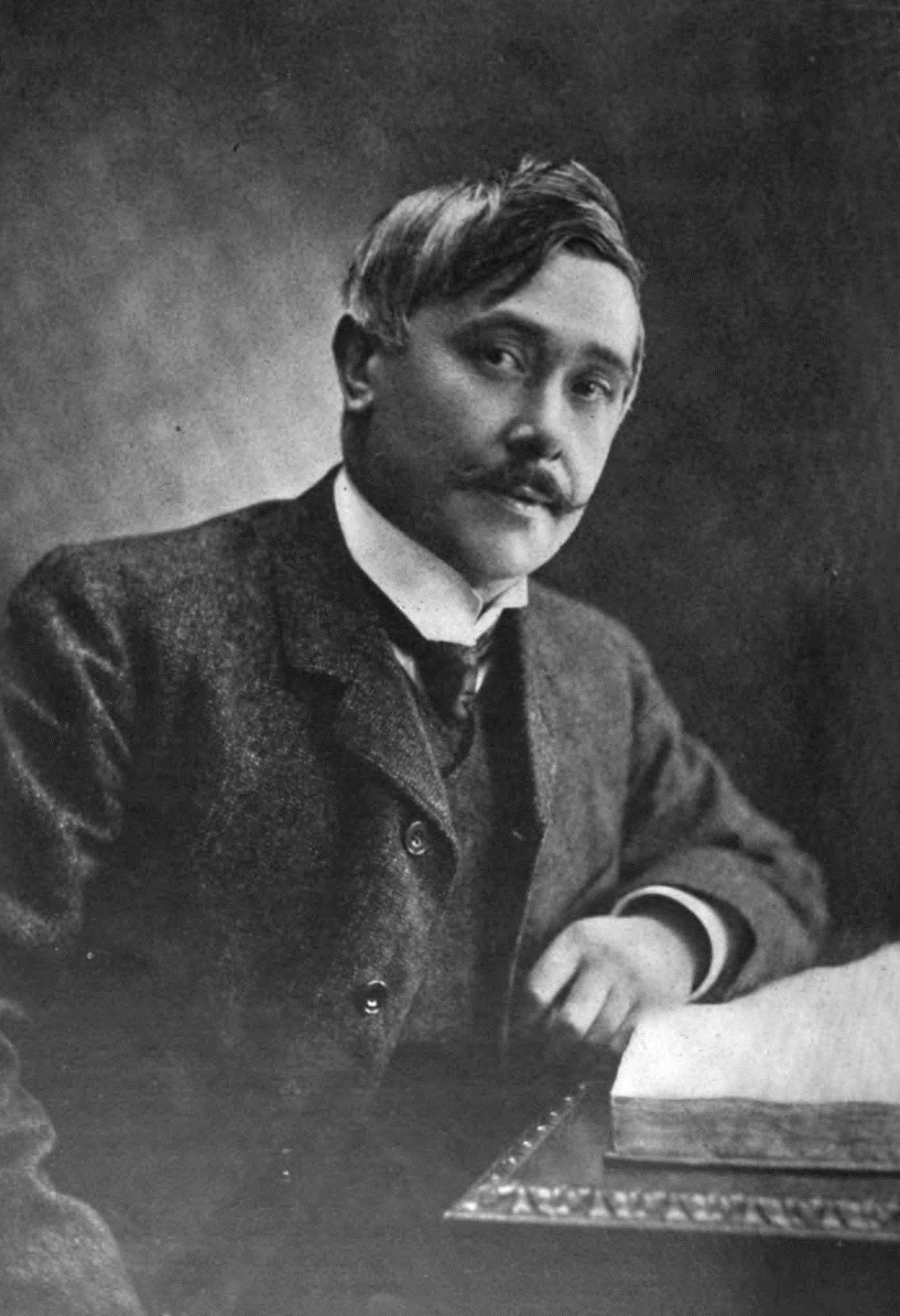
Ferruccio Busoni was an influential Italian composer, pianist, conductor, and educator, whose innovative contributions to music spanned the late Romantic and early modern eras. He began his musical education at the Vienna Conservatory and studied under notable figures such as Wilhelm Mayer and Carl Reinecke. Busoni's career was marked by his exceptional skill as a pianist, which earned him a prominent place in the music world. He taught in various cities, including Helsinki, Boston, and Moscow, before settling in Berlin in 1894, where he became a central figure in the musical community. His writings on music, particularly his 'Sketch of a New Esthetic of Music,' showcased his forward-thinking ideas on aesthetics and microtonality, influencing generations of musicians and composers. Busoni's compositional style evolved significantly over his career. Initially rooted in late Romanticism, he began to incorporate elements of atonality after 1907, reflecting his desire to explore new musical territories. His works include a monumental Piano Concerto, chamber music, orchestral pieces, and operas, with his unfinished opera 'Doktor Faust' standing as a testament to his ambitious vision. Additionally, his transcriptions of Johann Sebastian Bach's works, known as the Bach-Busoni Editions, remain vital to the piano repertoire. Busoni's legacy is marked by his role as a bridge between traditional and modern music, and his impact continues to resonate in the world of classical music.
Books from the author




Link to this page
Add a free, dofollow link to Lex on your blog, forum, syllabus, or reading list.

<a href="https://lex-books.com/author/ferruccio-busoni"><img src="https://lex-books.com/badges/read-on-lex.svg" alt="Ferruccio Busoni on Lex" width="160" height="40"></a>[](https://lex-books.com/author/ferruccio-busoni)[url=https://lex-books.com/author/ferruccio-busoni][img]https://lex-books.com/badges/read-on-lex.svg[/img][/url]Ferruccio Busoni on Lex: https://lex-books.com/author/ferruccio-busoni