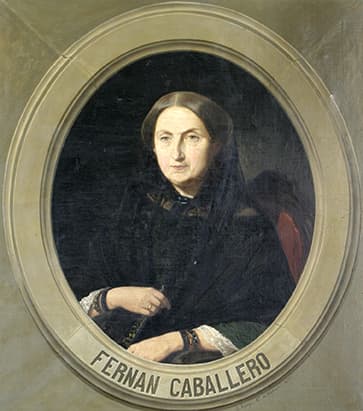
Fernán Caballero
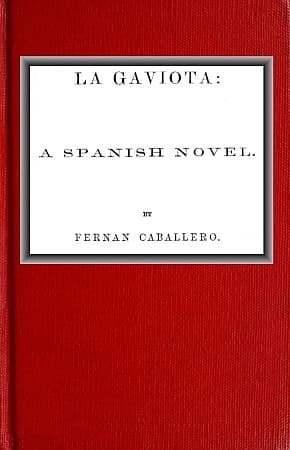
Fernán Caballero, the pen name of the Spanish author and folklorist Cecilia Böhl de Faber, was a pivotal figure in 19th-century Spanish literature. Born in 1796 in the Spanish city of Morges, she spent much of her life in Spain, where she became known for her vivid depictions of Andalusian life and culture. Her works often blended realism with elements of folklore, capturing the essence of Spanish traditions and the struggles of its people. Notable among her writings are 'La gaviota' and 'Los dos amigos', which reflect her deep understanding of human emotions and social dynamics. Caballero's literary significance lies in her role as a precursor to the Spanish realist movement, as well as her contributions to the development of the Spanish novel. She was one of the first female authors to gain recognition in a male-dominated literary landscape, paving the way for future generations of women writers. Her ability to weave local color and social commentary into her narratives not only entertained but also educated her readers about the complexities of Spanish society. Fernán Caballero's legacy endures as a testament to the power of storytelling in preserving cultural identity and advocating for social change.
Famous Quotes
View all 12 quotes“There is a force more powerful than steam and electricity: the will.””
“Be fair before being generous, be human before being fair.””
“Happiness! There is no word with more meanings, each person understands it in his own way.””
Books from the author


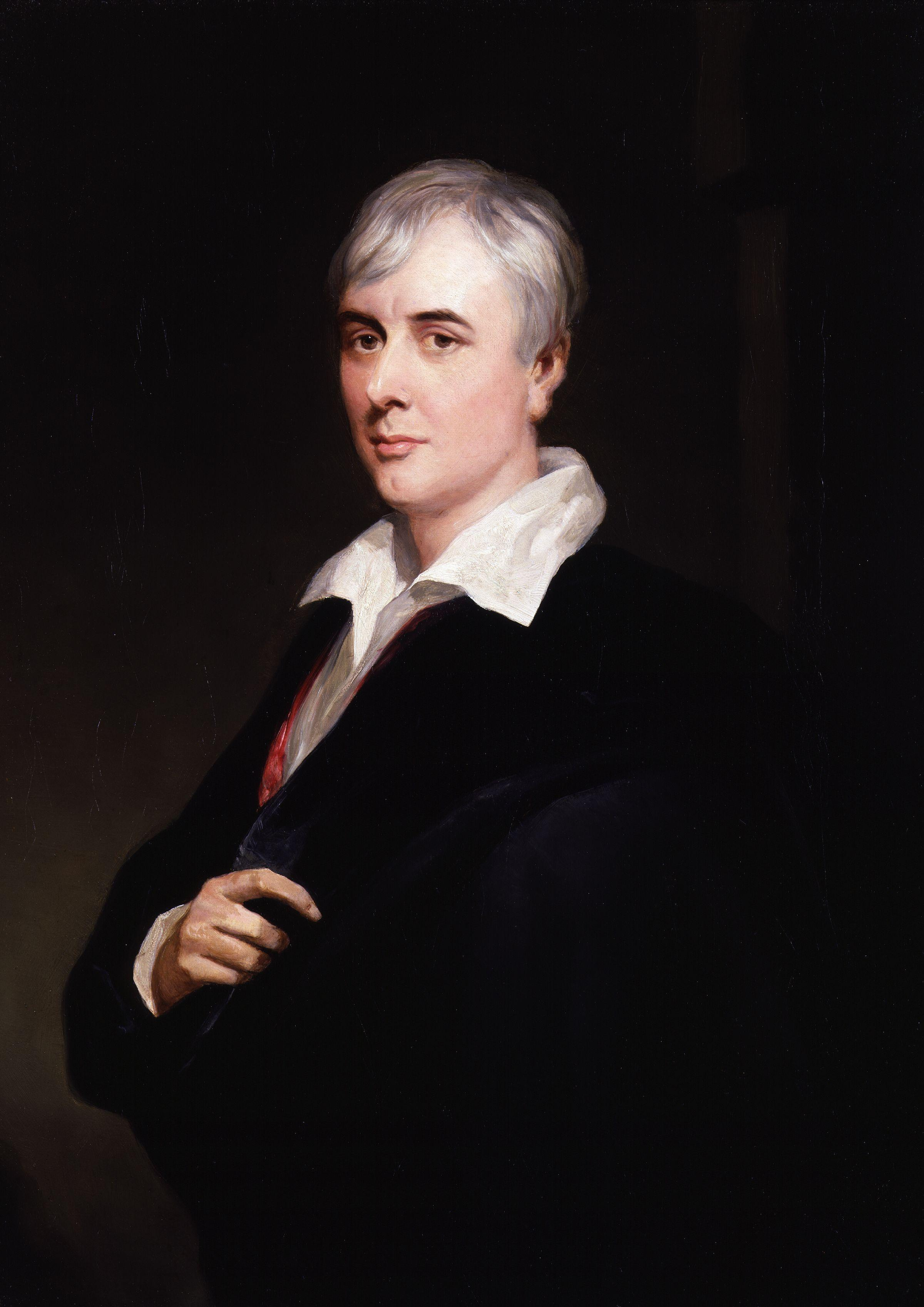
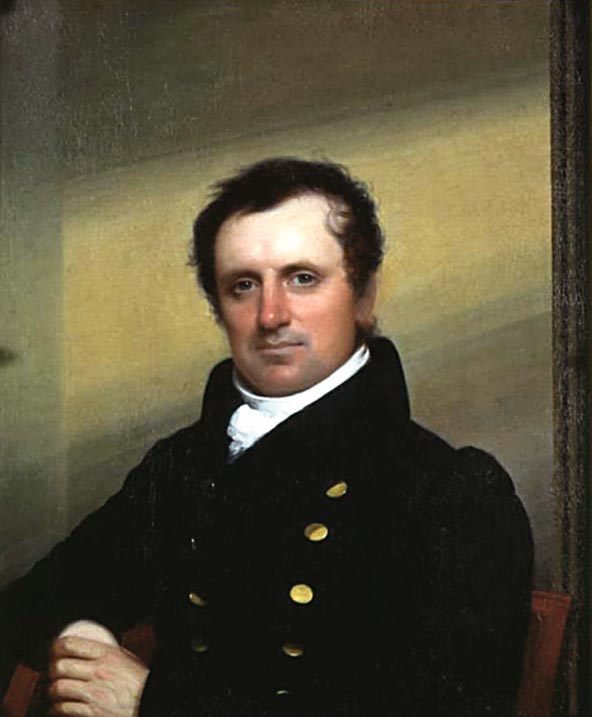
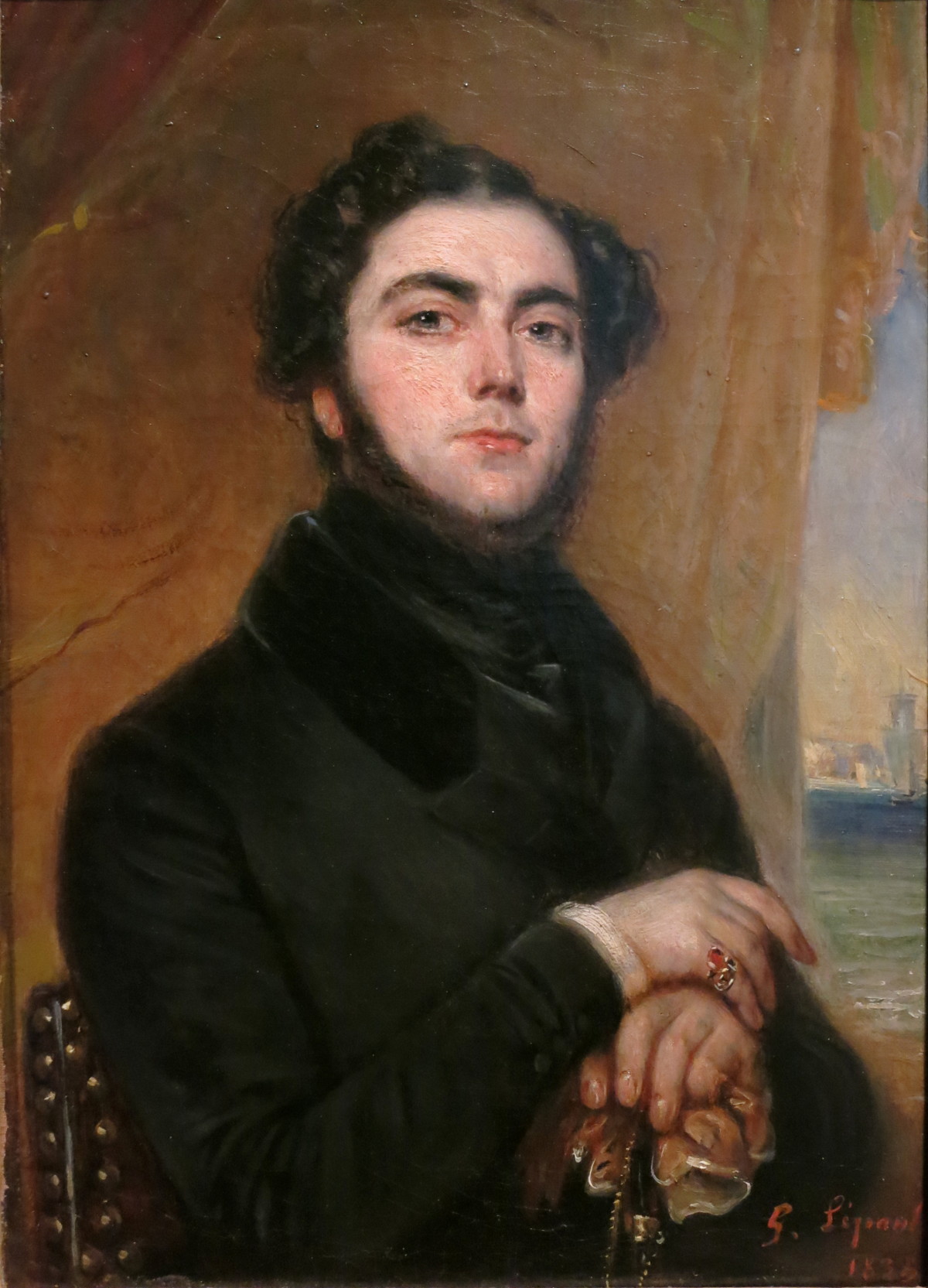
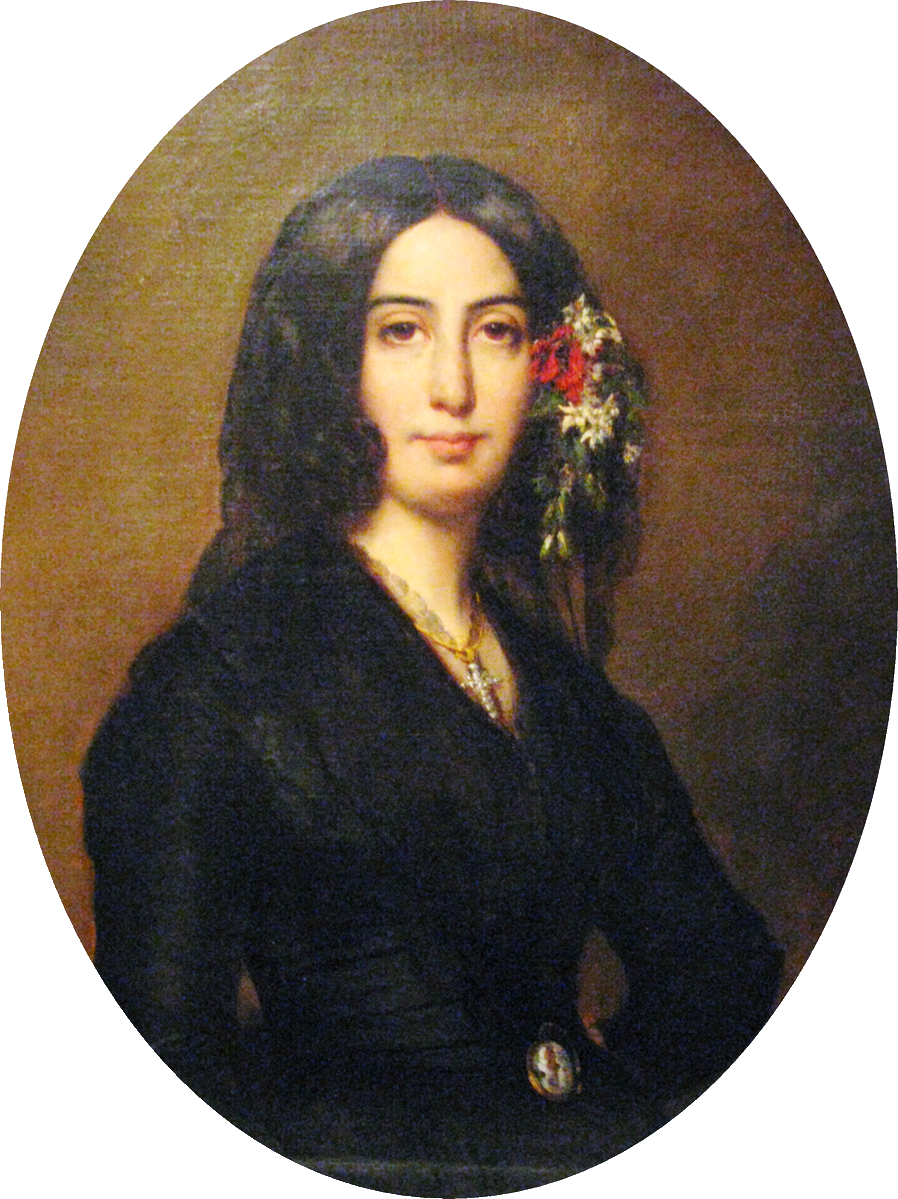
Link to this page
Add a free, dofollow link to Lex on your blog, forum, syllabus, or reading list.

<a href="https://lex-books.com/author/fernán-caballero"><img src="https://lex-books.com/badges/read-on-lex.svg" alt="Fernán Caballero on Lex" width="160" height="40"></a>[](https://lex-books.com/author/fernán-caballero)[url=https://lex-books.com/author/fernán-caballero][img]https://lex-books.com/badges/read-on-lex.svg[/img][/url]Fernán Caballero on Lex: https://lex-books.com/author/fernán-caballero