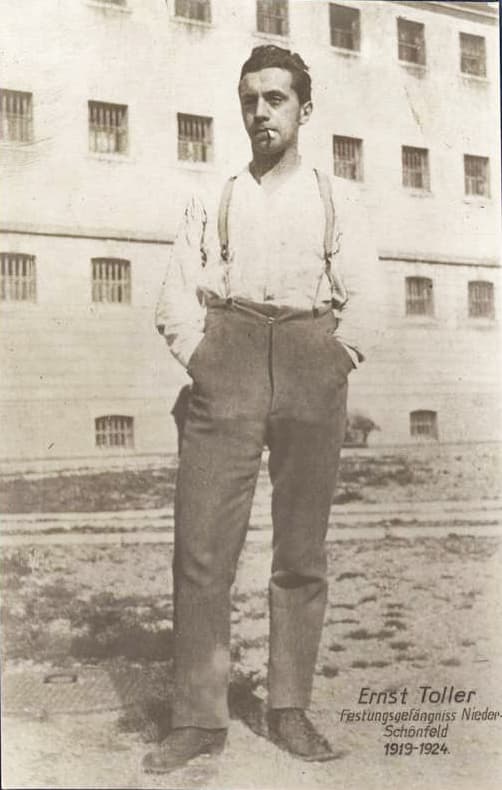
Ernst Toller
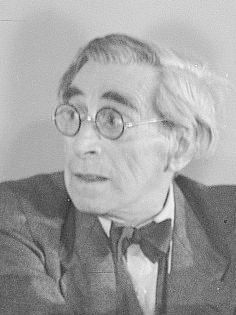
Ernst Toller was a prominent German author and playwright, recognized for his contributions to Expressionist theatre. Born into a Jewish family, he became politically active during World War I, eventually serving briefly as President of the Bavarian Soviet Republic in 1919. Following the collapse of the republic, Toller led its military forces but was imprisoned for five years due to his involvement in the armed resistance against the central government. It was during his incarceration that he penned several influential plays, including 'The Machine Wreckers' and 'Hinkemann,' which garnered international acclaim and were staged in major cities such as London and New York. After his release, Toller faced increasing persecution under the Nazi regime and fled Germany in 1933. He spent the next few years in exile, traveling through the United States and Canada, where he continued to lecture and advocate for political change. Despite his literary success, Toller struggled with the weight of his experiences and the political climate of the time. His life ended tragically in 1939 when he took his own life in New York City. Toller's works remain significant for their exploration of human suffering and political disillusionment, marking him as a key figure in the Expressionist movement and a voice for the oppressed during a tumultuous era in history.
Famous Quotes
View all 3 quotes“We were all of us cogs in a great machine which sometimes rolled forward, nobody knew where, sometimes backwards, nobody knew why.”
“Όμως κανένας λαός δεν είναι αληθινά ελεύθερος χωρίς την ελευθερία των γειτόνων του. Οι πολιτικοί ψεύδονται στους εαυτούς τους και στους πολίτες, ονομάζουν τα συμφέροντά τους ιδανικά, για αυτά τα ιδανικά, για χρυσό, για εδάφη, για μετάλλευμα, για πετρέλαιο, για εξολοκλήρου νεκρά πράγματα, οι άνθρωποι πεθαίνουν, πεινούν, απελπίζονται. Παντού.”
“Nichts belastet den politisch Handelnden schuldvoller als Verschweigen, er muß die Wahrheit sagen, sei sie noch so drückend, nur die Wahrheit steigert die Kraft, den Willen, die Vernunft.”
Books from the author



Link to this page
Add a free, dofollow link to Lex on your blog, forum, syllabus, or reading list.

<a href="https://lex-books.com/author/ernst-toller"><img src="https://lex-books.com/badges/read-on-lex.svg" alt="Ernst Toller on Lex" width="160" height="40"></a>[](https://lex-books.com/author/ernst-toller)[url=https://lex-books.com/author/ernst-toller][img]https://lex-books.com/badges/read-on-lex.svg[/img][/url]Ernst Toller on Lex: https://lex-books.com/author/ernst-toller