Ernest Raymond
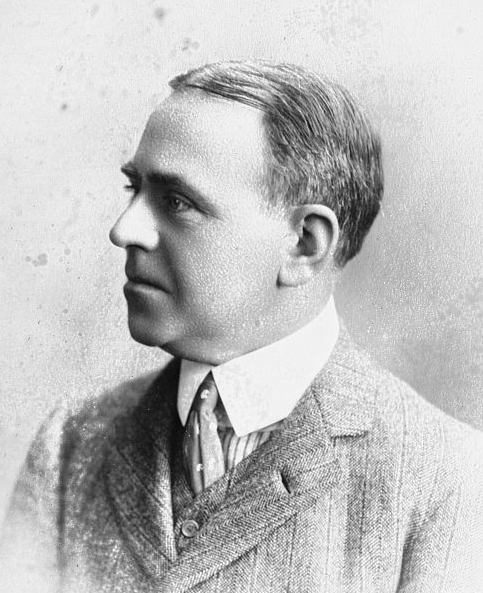
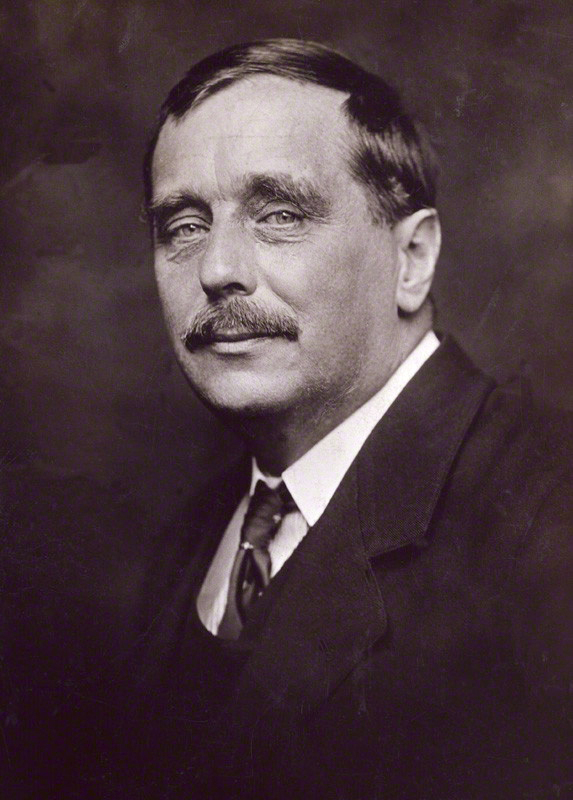
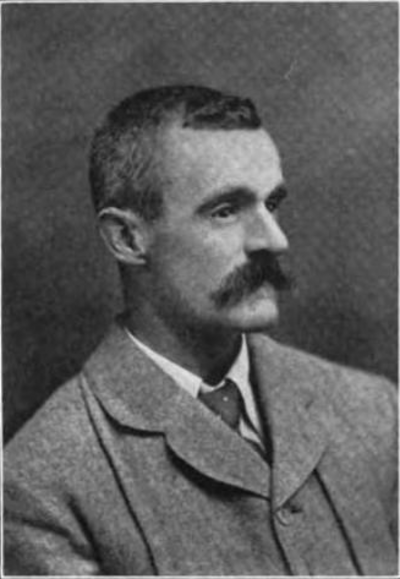
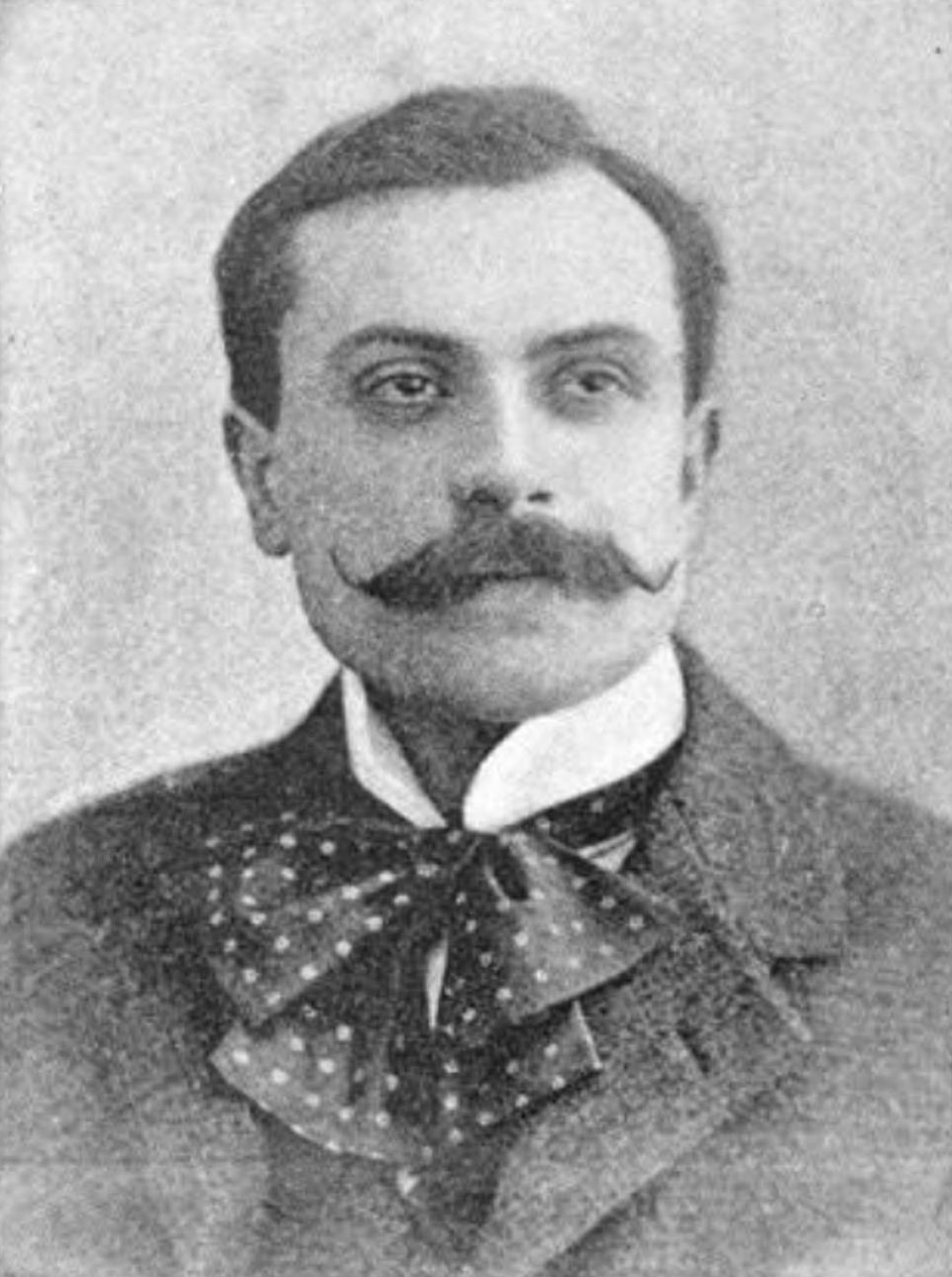
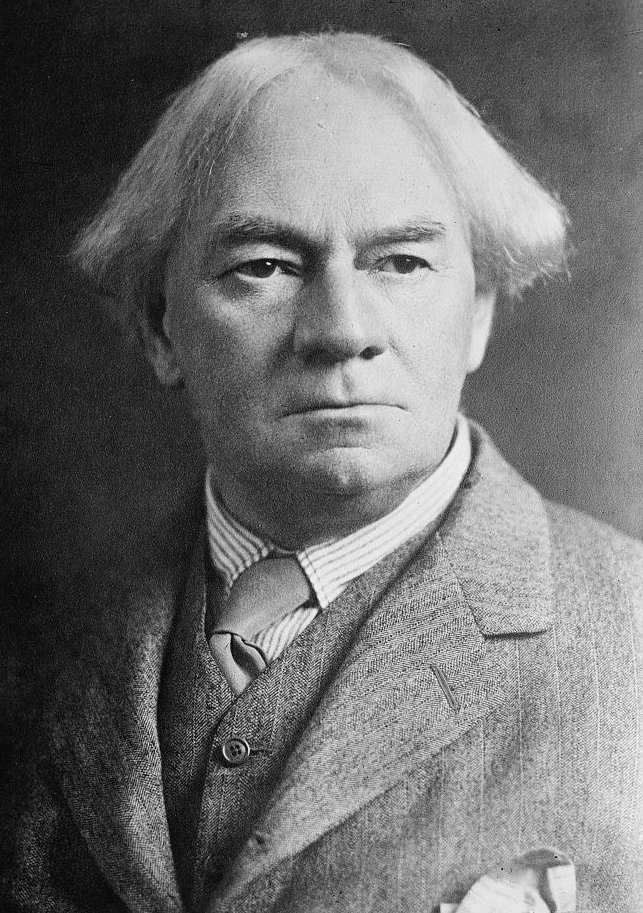
Ernest Raymond was a British novelist renowned for his exploration of human experiences against the backdrop of significant historical events. His debut novel, Tell England, published in 1922, captured the harrowing realities of World War I, establishing him as a significant voice in early 20th-century literature. This work not only showcased his narrative skill but also reflected the profound impact of war on society and individual lives. Following this success, Raymond's 1935 novel We, the Accused, reimagined the infamous Crippen case, further solidifying his reputation for tackling controversial subjects and delving into the complexities of morality and justice. Throughout his prolific career, Raymond authored forty-six novels, alongside two plays and ten non-fiction works, demonstrating a remarkable versatility in his writing. His literary contributions are notable for their psychological depth and social commentary, which resonated with readers of his time and beyond. Raymond's ability to weave intricate narratives that engage with pressing societal issues has left a lasting legacy in British literature, marking him as a significant figure in the literary landscape of the 20th century.
Famous Quotes
View all 1 quotes“Religious Science is a branch of the New Thought movement founded in 1927 by Ernest Holmes (1887-1960). Religious Science is now more commonly referred to as Science of Mind, operating under the umbrella organization Centers for Spiritual Living.””
Books from the author

Link to this page
Add a free, dofollow link to Lex on your blog, forum, syllabus, or reading list.

<a href="https://lex-books.com/author/ernest-raymond"><img src="https://lex-books.com/badges/read-on-lex.svg" alt="Ernest Raymond on Lex" width="160" height="40"></a>[](https://lex-books.com/author/ernest-raymond)[url=https://lex-books.com/author/ernest-raymond][img]https://lex-books.com/badges/read-on-lex.svg[/img][/url]Ernest Raymond on Lex: https://lex-books.com/author/ernest-raymond